TarotPanditby Pandit Rahul Kaushl
मेजर आर्काना · XIII

मृत्यु Death

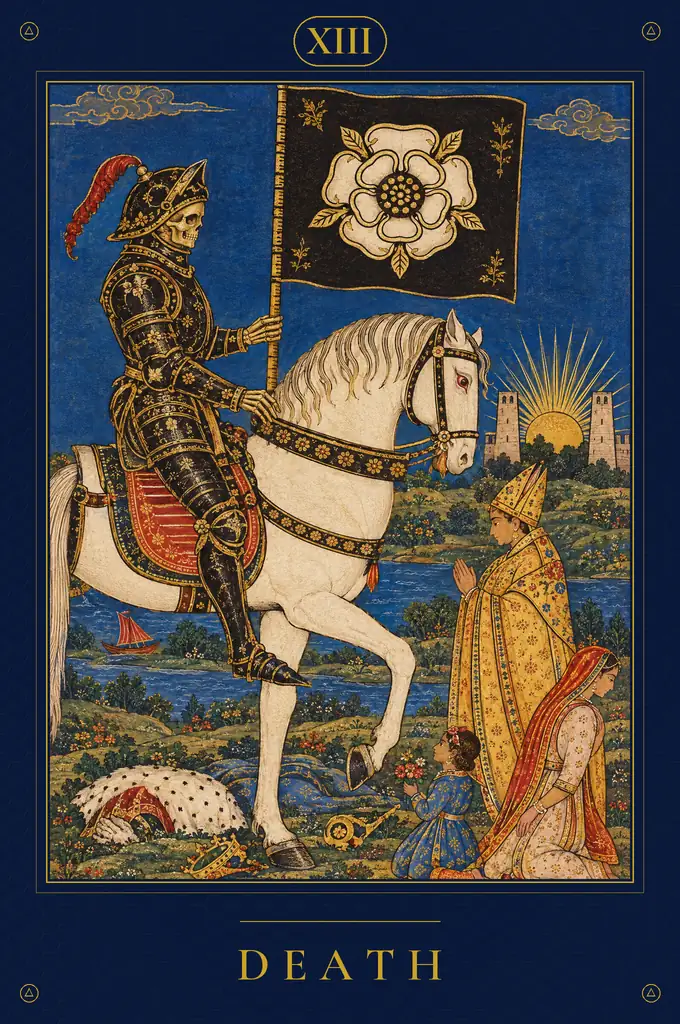
मृत्यु (Death) टैरो कार्ड का अर्थ है ऐसा अंत जो भूमि साफ़ करता है: एक अध्याय बंद होता है ताकि अगला आरंभ हो सके। तेरहवें कार्ड पर काले कवच में एक कंकाल श्वेत अश्व पर सवार है। उसके काले ध्वज पर पाँच पंखुड़ियों वाला श्वेत गुलाब है। एक राजा गिरा पड़ा है, और एक धर्माध्यक्ष, एक युवती तथा एक बालक उसके सामने हैं। दूर दो मीनारों के बीच सूर्य उदित हो रहा है। सीधा आने पर यह कार्ड रूपांतरण का संकेत है, उलटा आने पर उसी परिवर्तन के प्रतिरोध का।

The Death tarot card means an ending that clears the ground: one chapter closes so that the next can begin. Card XIII shows a skeleton in black armour on a white horse, carrying a black banner with a white five-petalled rose, while a king lies fallen and a bishop, a maiden and a child meet him; far off, the sun rises between two towers. Upright it is transformation; reversed it is the change resisted.

अंक XIIIतत्व जलज्योतिष वृश्चिक (गोल्डन डॉन)हिब्रू अक्षर नूनहाँ या ना पुराने रूप के लिए नहीं, स्थिति बदल रही है
Death, TarotPandit deck
8 में से 1 · काला सवार

कार्ड पर कोई अंक छुइए, या किसी प्रतीक की व्याख्या खोलिए। TarotPandit डेक 1909 की रचना को ज्यों का त्यों रखता है, भारतीय लघुचित्र शैली में।

कार्ड, प्रतीक-दर-प्रतीक
यह क्या हैWhat it is

सोने के काम वाले काले कवच में एक कंकाल, सीधा बैठा सवार, शिरस्त्राण पर लाल कलगी। एक हाथ में ध्वज-दंड, दूसरे में लगाम। न हँसिया है, न तलवार: वेट लिखते हैं कि सवार के पास कोई दिखाई देने वाला हथियार नहीं है।

A skeleton in black plate armour worked with gold, riding upright, with a red plume on the helmet. One hand holds the banner pole, the other the reins. There is no scythe and no sword: Waite notes that the horseman carries no visible weapon.

यह क्या दर्शाता हैWhat it denotes

स्वयं परिवर्तन, जिसे देह दी गई है। कंकाल वह है जो सब कुछ अस्थायी हट जाने के बाद बचता है: वह ढाँचा जो मांस से अधिक टिकता है। वह किसी को दंड नहीं देता। वह किसी अवस्था का अंत करता है, और कार्ड की हर आकृति, राजा से बालक तक, उससे समान स्तर पर मिलती है।

Change itself, given a body. The skeleton is what remains when everything temporary has been taken away: the frame that outlasts the flesh. He carries out no sentence. He ends a state of things, and every figure on the card, from king to child, meets him on equal terms.

कवचThe armour

काला, जो पूर्ण और बंद हो चुका है उसका रंग। कवच सवार को अभेद्य बनाता है: परिवर्तन से न सौदा किया जा सकता है, न उसे घायल किया जा सकता है। लाल कलगी वह जीवन-शक्ति है जो यहाँ भी उसके साथ चलती है।

Black, the colour of what is complete and closed. Armour makes the rider impervious: the change cannot be bargained with or wounded. The red plume is the life-force that still rides with him, even here.

स्रोतSource

ए. ई. वेट, द पिक्टोरियल की टु द टैरो, 1910। गोल्डन डॉन: मृत्यु को नून अक्षर और वृश्चिक राशि से जोड़ा गया।

A. E. Waite, The Pictorial Key to the Tarot, 1910. Golden Dawn: Death attributed to Nun and Scorpio.

पाठ-संकेतReading tip

उसे पहले से चल रहे परिवर्तन की तरह पढ़िए, जिसके साथ चलना है। उलटा आने पर सवार को द्वार पर रोका गया है, और यह विलंब अंत से अधिक महँगा पड़ता है। प्रश्नकर्ता से पूछिए कि क्या पहले ही समाप्त हो चुका है पर अभी छोड़ा नहीं गया।

Read him as a change already under way, one to walk beside. Reversed, the rider is held at the gate, and the delay costs more than the ending would. Ask the querent what has already finished and has not yet been released.
यह क्या हैWhat it is

ऊँचे दंड पर काला ध्वज, जो कार्ड का ऊपरी भाग भर देता है, उस पर पाँच पंखुड़ियों वाला बड़ा श्वेत गुलाब, सुनहरे केंद्र और पंखुड़ियों के बीच छोटी सुनहरी पत्तियों के साथ। वेट इसे रहस्यमय गुलाब कहते हैं और इसका अर्थ जीवन बताते हैं।

A black banner on a tall pole, filling the upper card, bearing a large white rose of five petals with a gold centre and small gold leaves between the petals. Waite calls it the Mystic Rose and reads it as signifying life.

यह क्या दर्शाता हैWhat it denotes

अंत के पार ले जाया गया जीवन। वस्त्र काला है क्योंकि एक अवस्था बंद हो रही है, और गुलाब श्वेत है क्योंकि जो सारभूत है वह इसके बाद भी बचा रहता है। सवार इस दृश्य में हथियार के बदले यही ध्वज लेकर आता है।

Life carried through the ending. The cloth is black because a state is closing; the rose is white because what is essential survives the closing. The rider does not carry a weapon into the scene; he carries this.

यह कहाँ से लौटता हैWhere it returns

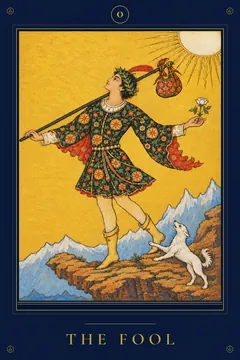
श्वेत गुलाब पहली बार मूर्ख के बाएँ हाथ में दिखता है, दो उँगलियों के बीच। वहाँ वह आरंभ की निर्दोषता है, और यहाँ एक संक्रमण की पताका। वही पुष्प शून्य कार्ड पर हल्के से थामा गया है और तेरहवें कार्ड पर ऊँचा उठाया गया है।

The white rose first appears in the Fool's left hand, held between two fingers. There it is innocence at the outset; here it is the standard of a passage. The same flower is held loosely at card 0 and raised high at card XIII.

पाँच पंखुड़ियाँFive petals

बहुत से शिक्षक पाँच पंखुड़ियों को मनुष्य और उसकी पाँच इंद्रियों से जोड़ते हैं: वह व्यक्ति जो परिवर्तन से गुज़रकर भी बना रहता है। वेट यह बात नहीं कहते, यह अर्थ बाद में जुड़ा।

Many teachers count the five petals as the human being and the five senses: the person who passes through the change and remains. Waite does not say this; the reading came later.

स्रोतSource

पिक्टोरियल की, 1910 (काले ध्वज पर रहस्यमय गुलाब)। पाँच पंखुड़ियों वाला अर्थ बाद के शिक्षकों का है।

Pictorial Key, 1910 (the Mystic Rose on the black banner). The five-petal reading comes from later teachers.

पाठ-संकेतReading tip

जब प्रश्नकर्ता मृत्यु कार्ड के अर्थ से डरें, तो पहले उन्हें ध्वज दिखाइए। सीधा आने पर कुछ जीवित आगे ले जाया जा रहा है। उलटा आने पर ध्वज लिपटा हुआ है और व्यक्ति अभी देख नहीं पाता कि क्या बचेगा। उनसे किसी एक ऐसी बात का नाम पूछिए जो बनी रहेगी।

When the querent fears what Death means, show them the banner first. Upright, something living is carried forward. If the card is reversed, the banner is furled and the person cannot yet see what survives; ask them to name one thing that will remain.

यह क्या हैWhat it is

रत्न-जड़ित लगाम और लाल-सुनहरे काठी-वस्त्र वाला श्वेत अश्व, एक अगली टाँग चलते हुए उठी, आँख सजग। वह सधे कदमों से चलता है। वेट लिखते हैं कि रहस्यमय सवार धीरे-धीरे आगे बढ़ता है।

A white horse with a jewelled bridle and a saddle-cloth of red and gold, one foreleg lifted in mid-stride, its eye alert. It walks; it does not gallop. Waite writes that the mysterious horseman moves slowly.

यह क्या दर्शाता हैWhat it denotes

उस शक्ति की निर्मलता जो परिवर्तन को वहन करती है। स्मिथ की रंग-योजना में श्वेत आत्मा है: अंत किसी निर्मल वस्तु द्वारा ले जाया जाता है। धीमी चाल अपनी स्थिर गति से चलती प्रक्रिया को दिखाती है। यहाँ कुछ भी रातों-रात नहीं आता।

The purity of the force that bears the change. White is spirit in Smith's colour scheme: the ending is carried by something clean. The slow pace describes a process moving at its own steady speed. Nothing here arrives overnight.

उठा हुआ खुरThe lifted hoof

उठा हुआ खुर गिरे हुए राजा के पास नीचे आने वाला है। कुछ भी जल्दी में नहीं। पाठ में धीमी चाल समय का संकेत है: परिवर्तन उतना समय लेता है जितना उसे चाहिए, और दबाव डालने से वह छोटा नहीं होता।

The raised hoof is about to come down beside the fallen king. Nothing hurries. In a reading the slow walk is the clue to timing: the change takes the time it takes, and pressing does not shorten it.

स्रोतSource

पिक्टोरियल की, 1910, कार्ड का विवरण।

Pictorial Key, 1910, description of the plate.

पाठ-संकेतReading tip

जब मृत्यु समय से जुड़े स्थान पर आए, तो अश्व को देखिए: स्थिर, धैर्यवान, निश्चित। उलटा आने पर लगाम प्रश्नकर्ता के अपने हाथ ने खींच रखी है। लगाम ढीली कीजिए, चाल अपने आप आगे बढ़ेगी।

When Death falls in a position about timing, read the horse: steady, unhurried, certain. In reverse the querent's own hand is pulling the rein. Let it go slack, and the walk continues.

यह क्या हैWhat it is

अश्व के नीचे एक राजा पड़ा है, उसका ऊदबिलाव-फ़र वाला राजवस्त्र घास पर फैला है और सुनहरा मुकुट सिर से लुढ़क गया है। वेट सवार के सामने गिरने वालों में राजा का नाम सबसे पहले लेते हैं।

A king lies beneath the horse, his ermine robe spread over the grass and his gold crown tumbled away from his head. Waite names the king first among those who fall before the rider.

यह क्या दर्शाता हैWhat it denotes

कोई पद किसी को परिवर्तन से मुक्त नहीं करता। मुकुट भूमिका है, उपाधि है, वर्षों में बनी पहचान है। वह लुढ़क जाता है, और उसके नीचे का मनुष्य बना रहता है। पद समाप्त होता है, व्यक्ति आगे चलता है।

No rank exempts anyone from change. The crown is the role, the title, the identity built over years; it rolls away, and the man beneath it remains. The position ends and the person goes on.

राजसी फ़रThe ermine

काले सिरों से चित्तीदार श्वेत फ़र, पद का वस्त्र, अपने अधिकार के बिना भूमि पर पड़ा। यह ध्वज के रंग दोहराता है: एक ही वस्त्र पर काला और श्वेत साथ-साथ।

White fur flecked with black tips, the robe of rank, lying on the ground without its authority. It repeats the colours of the banner: black and white together on one cloth.

स्रोतSource

पिक्टोरियल की, 1910: राजा, बालक और युवती सवार के सामने झुकते हैं, जबकि एक धर्माध्यक्ष प्रतीक्षा करता है।

Pictorial Key, 1910: king, child and maiden fall before the horseman, while a prelate waits.

पाठ-संकेतReading tip

यदि प्रश्नकर्ता कोई उपाधि, पद या लंबे समय से थामी पहचान रखते हैं, तो गिरा हुआ राजा पूछता है कि उसे उतारने के बाद क्या बचता है। सीधा आने पर मुकुट जाने दीजिए। उलटा आने पर शासन समाप्त होने के बाद भी मुकुट जकड़ा हुआ है। मुट्ठी एक-एक उँगली करके ढीली कीजिए।

If the querent holds a title, a post or a long-held identity, the fallen king asks what remains when it is set down. Upright, let the crown go. Reversed, the crown is gripped after the reign has ended; loosen the hand one finger at a time.

यह क्या हैWhat it is

ऊँचे सुनहरे मुकुट-टोप और कढ़ाईदार सुनहरे चोगे में एक धर्माध्यक्ष सवार की ओर मुख किए, प्रार्थना में हाथ जोड़े खड़ा है। वेट एक ऐसे धर्माध्यक्ष का वर्णन करते हैं जो जुड़े हाथों से अपने अंत की प्रतीक्षा करता है।

A bishop in a tall gold mitre and an embroidered gold cope stands facing the rider with his hands joined in prayer. Waite describes a prelate with clasped hands who awaits his end.

यह क्या दर्शाता हैWhat it denotes

गरिमा के साथ स्वीकृति। वह न भागता है, न सौदा करता है। वह परिवर्तन से शांत भाव से मिलता है। धर्माध्यक्ष हमारा वह अंश है जो अर्थ का एक ढाँचा रखता है और उसके सहारे अंत का सीधा सामना करता है।

Acceptance with dignity. He neither flees nor bargains; he meets the change with composure. The bishop is the part of us that holds a framework of meaning and uses it to look an ending in the face.

सुनहरा रंगThe gold

उसके वस्त्र सुनहरे और केसरिया हैं, उसके पीछे उगते सूर्य का रंग। सभी आकृतियों में वह क्षितिज के प्रकाश के सबसे निकट खड़ा है।

His robes are gold and saffron, the colour of the sun rising behind him. Of all the figures he stands nearest to the light on the horizon.

धर्म-मुकुटThe mitre

बहुत से शिक्षक इस धर्म-मुकुट को पाँचवें कार्ड, धर्माचार्य, से जोड़ते हैं: स्थापित शिक्षा भी परिवर्तन के सामने खड़ी होती है और उससे नवीकृत होती है। यह संबंध बाद के शिक्षकों ने जोड़ा है, वेट के पाठ में यह नहीं मिलता।

Many teachers connect the mitre to the Hierophant, card V: even established teaching stands before change and is renewed by it. The link is theirs; Waite does not make it.

स्रोतSource

पिक्टोरियल की, 1910 (जुड़े हाथों वाला धर्माध्यक्ष)।

Pictorial Key, 1910 (the prelate with clasped hands).

पाठ-संकेतReading tip

उसी की मुद्रा अपनाने योग्य है: शांत, उपस्थित, हाथ जुड़े हुए। उलटा आने पर प्रार्थना सौदेबाज़ी बन जाती है, यह विनती कि परिवर्तन टल जाए। हाथ फिर जोड़िए, इस बार स्वीकार करने के लिए।

His is the posture to copy: composed, present, hands joined. In a reversal the prayer turns into bargaining, a plea for the change to pass by. Join the hands again, this time to accept.

यह क्या हैWhat it is

धर्माध्यक्ष के पास लाल ओढ़नी और हल्के रंग के वस्त्र में एक युवती घुटनों पर है, उसका मुख नीचे और सवार से दूर मुड़ा हुआ। उसके आगे नीले वस्त्र में एक बालक घुटनों पर बैठा अश्व की ओर लाल फूलों का छोटा गुच्छा उठाता है।

Beside the bishop a maiden kneels in a red veil and pale dress, her face turned down and away from the rider. In front of her a child in blue kneels and lifts a small posy of red flowers toward the horse.

यह क्या दर्शाता हैWhat it denotes

परिवर्तन के प्रति दो प्रतिक्रियाएँ, साथ-साथ रखी हुई। युवती उसे देख नहीं पाती और शोक में मुँह फेर लेती है। बालक सीधे उसे देखता है और एक उपहार देता है। पाठक पूछता है कि प्रश्नकर्ता इस समय कौन-सी प्रतिक्रिया दे रहे हैं।

Two responses to change, placed side by side. The maiden cannot look at it; she grieves and turns aside. The child looks straight at it and offers a gift. The reader asks which response the querent is making now.

फूलThe flowers

बालक के हाथ में लाल फूल, जीवन का रंग, बिना भय के अर्पित। निर्दोषता अंत के पास हाथ में उपहार लेकर आती है।

Red blooms in the child's hand, the colour of life, offered without fear. Innocence comes to the ending with a gift in its hand.

स्रोतSource

पिक्टोरियल की, 1910 (बालक और युवती)। दो प्रतिक्रियाओं वाली व्याख्या शिक्षण की सुविधा के लिए जोड़ी गई है।

Pictorial Key, 1910 (the child and the maiden). The two-responses reading is a teaching device from later readers.

पाठ-संकेतReading tip

सीधा आने पर बालक बनिए और परिवर्तन से खुलकर मिलिए। उलटा आने पर प्रश्नकर्ता का मुख युवती की तरह फिरा हुआ है, ऐसा शोक जो देखना नहीं चाहता। जो समाप्त हुआ उसे एक बार ऊँचे स्वर में कहिए। उसे देख लेने से ही शोक आगे बढ़ पाता है।

Upright, be the child and meet the change openly. Reversed, the querent has the maiden's turned face, grief that will not look. Say aloud, once, what has ended. Looking at it is what lets the grief move.

यह क्या हैWhat it is

सवार के पीछे एक नीली नदी कार्ड के एक छोर से दूसरे छोर तक बहती है, और उस पर लाल पाल वाली एक छोटी नाव बाएँ तट की ओर बढ़ रही है।

Behind the rider a blue river crosses the card from edge to edge, and on it a small boat with a red sail moves toward the left bank.

यह क्या दर्शाता हैWhat it denotes

संक्रमण। जल छोड़ी गई वस्तु को दूसरे तट तक ले जाता है। नदी समय का प्रवाह है, और नाव चलता हुआ संक्रमण: जल में उतर चुकी, पार जा रही।

The passage. Water carries what is released to the other shore. The river is the flow of time, and the boat is the transition in progress: already launched, already crossing.

रंगThe colours

नीला जल वह भावनात्मक धारा है जिसे हर अंत हिला देता है, और लाल पाल वह जीवन जो उसके पार चलता रहता है। इस डेक के तत्वों में मृत्यु जल से जुड़ी है, और यहाँ वह तत्व स्पष्ट दिखाया गया है।

Blue water, the emotional current that every ending stirs; a red sail, the life that keeps moving across it. Death is attributed to Water in the deck's elements, and here the element is shown plainly.

स्रोतSource

नदी और नाव 1909 की प्लेट पर हैं, पर वेट का पाठ इन पर नहीं रुकता। इन्हें संक्रमण का चिह्न मानना वेट के बाद की परंपरा है।

The river and boat are on the 1909 plate, though Waite's text does not dwell on them. Reading them as the passage itself is the habit of later teachers.

पाठ-संकेतReading tip

जब मृत्यु वर्तमान वाले स्थान में आए, तो नाव को देखिए: पार-यात्रा आरंभ हो चुकी है, चाहे उसकी घोषणा हुई हो या न हुई हो। उलटा आने पर नाव तट से बँधी है। इस सप्ताह एक रस्सी खोलिए।

When Death falls in a position about the present, read the boat: the crossing has begun whether or not it has been announced. Reversed, the boat is tied to the bank; untie one rope this week.

यह क्या हैWhat it is

दूर क्षितिज पर, दो पत्थर की मीनारों के बीच, लंबी किरणों के साथ सुनहरा सूर्य उदित हो रहा है। वेट क्षितिज के छोर पर दो स्तंभों के बीच चमकते सूर्य का वर्णन करते हैं और उसे अमरत्व का सूर्य कहते हैं।

On the far horizon, between two stone towers, a golden sun is rising with long rays. Waite describes the sun shining between two pillars on the verge of the horizon and calls it the sun of immortality.

यह क्या दर्शाता हैWhat it denotes

अंत के बाद जो आता है। सूर्य उग रहा है, डूब नहीं रहा। दो मीनारें एक द्वार बनाती हैं, और ऐसी ही जोड़ी अठारहवें कार्ड, चंद्रमा, के क्षितिज पर फिर खड़ी होती है। इस कार्ड का हर अंत एक प्रभात की ओर मुख किए है।

What follows the ending. The sun is rising, not setting. The two towers form a gateway, and paired towers stand again on the horizon of the Moon, card XVIII. Every ending on this card faces a dawn.

रंगThe colour

नीले पर सुनहरा। ऊपरी आकाश पहले से पूर्ण दिन का है, और प्रभात किनारे पर एकत्र हो रहा है। किसी भी आकृति का सवार से मिलना पूरा होने से पहले ही कार्ड पर प्रकाश उपस्थित है।

Gold against blue. The upper sky is already full daylight, and the dawn gathers at the edge. Light is present on the card before any figure has finished meeting the rider.

स्रोतSource

पिक्टोरियल की, 1910 (क्षितिज पर दो स्तंभों के बीच सूर्य)।

Pictorial Key, 1910 (the sun between two pillars on the horizon).

पाठ-संकेतReading tip

जब मृत्यु परिणाम वाले स्थान में आए, तो सूर्य को देखिए: परिणाम परिवर्तन के उस पार एक आरंभ है। उलटा आने पर सूर्य वहीं है पर प्रश्नकर्ता उससे मुँह फेरे हैं। प्रश्न को उस ओर मोड़िए जो आगे आता है।

When Death falls in an outcome position, read the sun: the result is a beginning on the far side of the change. Reversed, the sun is there but the querent faces away from it; turn the question toward what comes next.

मुख्य बातें
  • मृत्यु कार्ड किसी शारीरिक मृत्यु की भविष्यवाणी नहीं करता। वेट इसका अर्थ परिवर्तन, रूपांतरण और निम्न अवस्था से उच्च अवस्था की ओर संक्रमण बताते हैं, और कहते हैं कि पुराने हँसिया-धारी कंकाल से अधिक उचित ढंग से इसे किसी प्रलय-दर्शन का सवार दिखाता है।Death does not foretell a physical death. Waite gives its meaning as change, transformation and passage from a lower state to a higher one, and says a rider from an apocalyptic vision shows it better than the old reaping skeleton.
  • सवार के चेहरे से पहले उसकी चाल पढ़िए: वह धीरे चलता है और कोई हथियार नहीं रखता। परिवर्तन स्थिर है और उससे बहस नहीं की जा सकती, पर वह हिंसक नहीं है।Read the rider's pace before his face: he moves slowly and carries no weapon. The change is steady and cannot be argued with, but it is not violent.
  • स्वीकार किया गया अंत मार्ग साफ़ कर देता है। उलटा आने पर वही अंत प्रतिरोध के कारण केवल लंबा खिंचता है।Accepted, the ending makes a clearing. Resisted, as in the reversal, the same ending only takes longer.
  • काले ध्वज का गुलाब मूर्ख का ही श्वेत गुलाब है, अब पताका बनाकर ऊँचा उठाया हुआ। यह वह जीवन है जिसे अंत अपने साथ आगे ले जाता है।The rose on the black banner is the Fool's white rose, now raised as a standard: the life that the ending carries forward.
मुख्य शब्द

सीधा: रूपांतरण, मार्ग साफ़ करने वाला अंत, संक्रमण, मुक्ति, नवीकरण

उलटा: परिवर्तन का प्रतिरोध, ठहराव, टाला गया अंत, पुराने रूप से चिपके रहना, जड़ता

वह अंत जो स्थान बनाता है। इस कार्ड पर मृत्यु अवस्था का परिवर्तन है: जो पूरा हो चुका उसे हटाया जाता है, और क्षितिज पर सूर्य पहले ही उग रहा है।

The ending that makes room. Death on this card is a change of state: what has finished is cleared away, and the sun on the horizon is already rising.

जीवन के पाँच क्षेत्रों में

आपके जीवन में मृत्यु

जब प्रश्न धन, विवाह, काम, शरीर या स्वयं जीवन-पथ का हो, तब यह कार्ड क्या कहता है। धन सबके लिए खुला है; शेष चार प्रीमियम के लिए हैं।

What this card says when the question is about money, marriage, work, the body, or the road itself. Finance is open to everyone; the other four belong to Premium.

त्वरित उत्तरQuick answer
पुराने रूप के लिए नहीं, स्थिति बदल रही हैउलटा: अभी नहीं, पहले अंत को पूरा होने दीजिए
अंकThe number
13 (1+3 = 4) · त्रयोदश → चतुर्तेरह घटकर चार होता है, सम्राट की संख्या और नींव की संख्या। मृत्यु भूमि को साफ़ करती है ताकि उस पर कुछ बनाया जा सके। यह अंत उसके बाद खड़ी होने वाली संरचना के काम आता है।
जन्म-तिथि
Is this your birth card?">
जाँच निःशुल्क है। प्रीमियम आपका जन्म-कार्ड और वर्ष-कार्ड प्रोफ़ाइल सहेजता है।
₹धनFinanceनिःशुल्क नमूना
सीधाUpright

एक आर्थिक अध्याय बंद होता है ताकि एक अधिक स्वच्छ अध्याय खुल सके। कोई ऋण चुकता होता है, कोई व्यापारिक शाखा समेटी जाती है, कोई पुराना व्यय अंततः समाप्त होता है, या आय का कोई स्रोत सूखकर बेहतर स्रोत के लिए स्थान बनाता है। कार्ड सोच-समझकर बंद करने का पक्ष लेता है: जो देय है उसे चुकाइए, जो काम का नहीं उसे रद्द कीजिए, और खाते को एक साफ़ पृष्ठ से फिर आरंभ होने दीजिए।

One financial chapter closes so that a cleaner one can open. A loan is repaid, a business line is wound up, a long expense finally ends, or an income source dries up and makes room for a better one. The card favours deliberate closing: settle what is owed, cancel what no longer serves, and let the account start again from a clear page.

उलटाReversed

किसी ऐसी चीज़ में धन बहते रहना जो बहुत पहले समाप्त हो चुकी: डूबता उद्यम, अप्रयुक्त सदस्यता, बार-बार आगे बढ़ाया गया ऋण। इसी महीने यह बहाव रोकिए और हानि को कागज़ पर स्वीकार कर लीजिए। जो राशि बचेगी वह किसी जीवित कार्य में लग सकेगी।

Money kept flowing into something that ended long ago: a failing venture, an unused subscription, a loan rolled over again and again. Stop the outflow this month and accept the loss on paper. The sum you free can then go to something alive.

बचिएAvoid

समाप्त हो चुके उद्यम में इस आशा से धन लगाना कि वह फिर जी उठेगा।

Funding a finished venture in the hope it will revive.

इसके स्थान परTry instead

तीन नियमित भुगतानों की सूची बनाइए और उसे बंद कीजिए जो किसी काम का नहीं।

List three recurring payments and end the one that serves nothing.

❖वैवाहिक जीवन और संबंधMarried life and relationshipsप्रीमियम
सीधाUpright

विवाह या साझेदारी का एक चरण से अगले चरण में जाना: आरंभिक वर्ष अधिक स्थिर बंधन को स्थान देते हैं, बच्चों के बड़े होने पर गृहस्थी का रूप बदलता है, या दो व्यक्तियों के बीच के पुराने ढर्रे समाप्त होते हैं ताकि अधिक सच्चा ढर्रा जी सके।

A marriage or partnership passing from one stage to the next: the early years giving way to a steadier bond, a household changing shape as children grow, or old patterns between two people dying so that a truer one can live.

प्रीमियम से खोलिए
◈व्यवसाय और करियरBusiness and careerप्रीमियम
सीधाUpright

कोई भूमिका समाप्त होती है, कोई दल पुनर्गठित होता है, या काम का कोई लंबा चरण अपने स्वाभाविक अंत तक पहुँचता है।

A role ends, a team is restructured, or a long phase of work reaches its natural close.

प्रीमियम से खोलिए
✚स्वास्थ्यHealthप्रीमियम
सीधाUpright

शरीर के विषय में मृत्यु कार्ड किसी पुरानी दिनचर्या के अंत का चिह्न है: कोई आहार, सोने का कोई ढर्रा, काम का कोई ढंग जो अब आपके अनुकूल नहीं।

In matters of the body Death marks the end of an old routine: a diet, a sleep pattern, a way of working that no longer suits you.

टैरो ध्यान दिलाता है, निदान नहीं करता। किसी भी लक्षण के लिए योग्य चिकित्सक से मिलिए।

प्रीमियम से खोलिए
☉जीवन-पथThe life pathप्रीमियम
सीधाUpright

जीवन का एक चरण पूरा हो रहा है। यह कार्ड प्रायः तब आता है जब व्यक्ति उस के बीच खड़ा होता है जो वह था और जो वह बन रहा है, और पुराना स्व अभी उतारा नहीं गया।

A stage of life is completing. The card often appears when a person stands between who they were and who they are becoming, and the old self has not yet been laid down.

प्रीमियम से खोलिए
प्रीमियम
सभी 78 कार्डों पर पाँचों क्षेत्र

असीमित पाठ, हर कार्ड के नीचे पाँचों क्षेत्र, आपका जन्म-कार्ड और वर्ष-कार्ड प्रोफ़ाइल, पाठ-इतिहास, हर पाठ की सीलबंद PDF और व्हाट्सऐप पर दैनिक कार्ड।

₹299
प्रति माह, या ₹1,999 प्रति वर्षप्रीमियम खोलिए
सीधा

मृत्यु: सीधा अर्थ

काले कवच में एक कंकाल धीमी चाल से श्वेत अश्व पर आ रहा है, और एक राजा पहले ही खुरों के नीचे पड़ा है। सीधा आने पर मृत्यु कार्ड ऐसे अंत का संकेत है जो भूमि साफ़ करता है। कोई भूमिका, अपने पुराने रूप में कोई संबंध, कोई आदत, कोई घर, या स्वयं को देखने का कोई ढंग अपनी अवधि पूरी कर चुका है, और उसे पूरा होने देना है। वेट इसका अर्थ परिवर्तन और निम्न अवस्था से उच्च अवस्था की ओर संक्रमण बताते हैं, और उनके पाठ में शारीरिक मृत्यु की कोई बात नहीं है। सवार के पास कोई हथियार नहीं और उसकी चाल धीमी है, इसलिए परिवर्तन स्थिर गति से आता है। कुछ वास्तविक खोता है, और उसका वैसा ही सम्मान होना चाहिए जैसा धर्माध्यक्ष जुड़े हाथों से करता है। फिर भी ध्वज पर श्वेत गुलाब है और मीनारों के बीच सूर्य उग रहा है, इसलिए जो सारभूत है वह बना रहता है। व्यावहारिक कार्य मुक्ति है: लेखा बंद कीजिए, ताक खाली कीजिए, विदा कह दीजिए।

A skeleton in black armour rides a white horse at walking pace, and a king already lies under the hooves. Death upright is an ending that clears the ground. A role, a relationship in its old form, a habit, a home or a way of seeing yourself has run its course, and it needs to be allowed to finish. Waite gives the meaning as change and passage from a lower state to a higher one, and nothing in his text speaks of physical death. The rider carries no weapon and keeps a slow pace, so the change comes steadily. Something real is lost, and it deserves the honour the bishop gives it with joined hands. Yet the banner bears a white rose and the sun is rising between the towers, so what is essential continues. The practical work is release: close the account, clear the shelf, say the goodbye.

उलटा

मृत्यु: उलटा अर्थ

उलटा आने पर मृत्यु कार्ड उसी अंत को दिखाता है जिसका प्रतिरोध किया जा रहा है। वेट के उलटे अर्थों में जड़ता, निद्रा और आलस्य आते हैं। ये उस अध्याय का वर्णन करते हैं जो वास्तव में बंद हो चुका है, पर आदत या भय के कारण खुला रखा गया है। नौकरी जा चुकी है पर पहचान थामी हुई है। संबंध समाप्त हो चुका है पर द्वार अधखुला छोड़ा गया है। योजना विफल हो चुकी है और कोई यह कहता नहीं। इससे सवार रुकता नहीं, केवल उसकी चाल लंबी हो जाती है। जो समाप्त हुआ उसे एक सरल वाक्य में लिख लीजिए, और फिर इस सप्ताह मुक्ति का एक ठोस कदम उठाइए: चाबियाँ लौटाइए, फ़ाइल सहेजकर बंद कीजिए, वह बातचीत कर लीजिए। अंत स्वीकार होते ही क्षितिज का सूर्य उगने के लिए स्वतंत्र हो जाता है।

Turned upside down, Death shows the same ending resisted. Waite's reversed meanings include inertia, sleep and lethargy, and they describe a chapter that has closed in fact but is held open by habit or fear. The job is gone but the identity is kept. The relationship has ended but the door is left ajar. The plan has failed and nobody says so. None of this stops the rider. It only makes his walk longer. Write down, in one plain sentence, what has finished, and then take one concrete step of release this week: return the keys, archive the file, have the conversation. Once the ending is accepted, the sun on the horizon is free to rise.

स्थान के अनुसार

प्रश्न के अनुसार मृत्यु

प्रेमLove

पुराने रूप से बाहर निकलता संबंध: परिचय का दौर जो प्रतिबद्धता में समाप्त होता है, स्वयं को नवीकृत करता विवाह, या पूरा हो चुका बंधन जिसे ईमानदारी से बंद किया जाता है। उलटा: संबंध समाप्त होने के बाद भी द्वार खुला रखना, या उस परिवर्तन से इनकार जिसे दोनों साथी पहले ही अनुभव कर रहे हैं।

A relationship moving out of an old form: a dating phase ending in commitment, a marriage renewing itself, or a bond that has finished being honestly closed. Reversed: holding a door open after the relationship has ended, or refusing a change both partners already feel.

करियरCareer

कोई भूमिका, कोई विभाग या कार्य की कोई दिशा बंद हो रही है, और साथ ही अगली के लिए स्थान बन रहा है। ऐसा पुनर्गठन जो अनावश्यक भार हटाता है। उलटा: पूरी हो चुकी भूमिका में बने रहना क्योंकि छोड़ना विफलता जैसा लगता है।

A role, a department or a line of work closing, and with it the space for the next one. Restructuring that clears dead weight. Reversed: staying in a finished position because leaving feels like failure.

धनMoney

एक आर्थिक व्यवस्था का अंत और दूसरी का आरंभ: चुकाया गया ऋण, बंद किया गया खाता, बदला गया आय का स्रोत। उलटा: उस वस्तु का भुगतान करते रहना जो बहुत पहले उपयोगी नहीं रही। उसे बंद कीजिए।

The end of one financial arrangement and the start of another: a debt cleared, an account closed, a source of income replaced. Reversed: paying for something that stopped serving you long ago; cancel it.

स्वास्थ्यHealth

कोई पुरानी दिनचर्या बेहतर दिनचर्या को स्थान देने को तैयार है: सोने का ढर्रा, आहार, काम करने का ढंग। उलटा: शरीर के परिवर्तन माँगने के बहुत बाद तक रखी गई आदत। कोई एक छोटी बात बदलिए।

An old routine ready to give way to a better one: a sleep pattern, a diet, a way of working. Reversed: a habit kept long after the body has asked for a change; replace one small thing.

टैरो ध्यान दिलाता है, निदान नहीं करता। किसी भी लक्षण के लिए योग्य चिकित्सक से मिलिए।

आध्यात्मिकSpiritual

पुरानी आत्म-छवि की मृत्यु, जो किसी भी गंभीर साधना का सामान्य कार्य है। उलटा: ऐसी आध्यात्मिक पहचान से चिपके रहना जिससे आप पहले ही आगे बढ़ चुके हैं।

The death of an old self-image, which is the ordinary work of any serious practice. Reversed: clinging to a spiritual identity that has already been outgrown.

तत्वजल
ज्योतिषवृश्चिक (गोल्डन डॉन)
हिब्रू अक्षरनून
अंक-विद्या13 (1+3 = 4) · त्रयोदश → चतुर्
हाँ या नापुराने रूप के लिए नहीं, स्थिति बदल रही है
वैदिक सेतु

दो परंपराओं के बीच एक व्याख्यात्मक समानांतर, जो शिक्षण के लिए दिया गया है। यह शास्त्रीय उद्धरण नहीं है, और कोई परंपरा दूसरी का वर्णन करने का दावा नहीं करती।

गीता (2.22) में देहधारी आत्मा जीर्ण वस्त्र त्यागकर नए वस्त्र धारण करती है, और इस कार्ड का धीमा सवार जीवन की किसी अवस्था के साथ यही करता है। आश्रम भी इसी प्रकार बदलते हैं: जीवन का हर चरण पूरा किया जाता है ताकि अगला आरंभ हो सके। ज्योतिष में वृश्चिक आठवीं राशि है, जो गहराई, गुप्त विषयों और रूपांतरण से जुड़ी है। ध्वज का श्वेत गुलाब उस आत्मा से मेल खाता है जिसे परिवर्तन छूता तक नहीं।

The Gita (2.22) pictures the embodied self setting aside worn-out garments and putting on new ones, and the slow rider does the same work on a state of life. The ashramas turn in the same way, each stage completed so that the next may begin. Scorpio in Jyotish is Vrishchika, the eighth sign, tied to depth, hidden things and transformation. The white rose on the banner fits the atman, which the change does not touch.

संयोजन

अन्य कार्डों के साथ मृत्यु

मृत्यु + मूर्ख

मृत्यु के साथ मूर्ख: दोनों छोरों पर श्वेत गुलाब। एक अंत सीधे आरंभ में बदलता है। पुराना द्वार बंद कीजिए और उसी ऋतु में नए द्वार से आगे बढ़िए।

Death with the Fool: the white rose at both ends. An ending turns directly into a beginning; close the old door and step through the new one in the same season.

मृत्यु + मीनार

मृत्यु के साथ मीनार: धीमा अंत और आकस्मिक अंत साथ-साथ। जो धीरे-धीरे छोड़ा नहीं गया, वह अब एक साथ छूट रहा है। इसमें सहयोग कीजिए।

Death with the Tower: the slow ending and the sudden one together. What would not be released gradually is now being released at once; cooperate with it.

मृत्यु + तारा

मृत्यु के साथ तारा: सफ़ाई के बाद नवीकरण। अंत के बाद उपचार और शांत आशा की ऋतु आती है। बोने से पहले भूमि को विश्राम करने दीजिए।

Death with the Star: the clearing followed by renewal. After the ending comes a season of healing and quiet hope; let the ground rest before you plant.

मृत्यु + लटका हुआ पुरुष

मृत्यु के साथ लटका हुआ पुरुष: संक्रमण से पहले का ठहराव। प्रतीक्षा का एक काल अंत की तैयारी करता है। इस प्रतीक्षा में पहले भीतर से छोड़ना सीखिए।

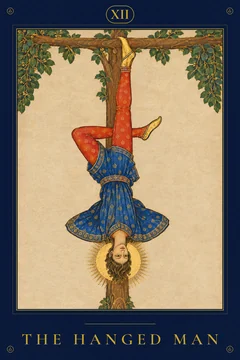
Death with the Hanged Man: the pause before the passage. A period of suspension prepares the ending; use the waiting to let go inwardly first.

मृत्यु + प्यालों का आठ

मृत्यु के साथ प्यालों का आठ: जो पूरा हो चुका, उससे चलकर दूर जाना। यह प्रस्थान ही अंत है। जो पूरा हो चुका है, उसके लिए पीछे मुड़कर मत देखिए।

Death with the Eight of Cups: walking away from what is complete. The leaving is the ending; go without looking back for what you already know is finished.

प्रश्नोत्तर

प्रश्न और उत्तर: मृत्यु

मृत्यु (Death) टैरो कार्ड का क्या अर्थ है?

ऐसा अंत जो आगे आने वाले के लिए मार्ग साफ़ करता है: रूपांतरण, संक्रमण और मुक्ति। वेट इसका अर्थ परिवर्तन और निम्न अवस्था से उच्च अवस्था की ओर संक्रमण बताते हैं। सवार के ध्वज पर श्वेत गुलाब है, और उसके पीछे सूर्य उग रहा है: कुछ सारभूत बना रहता है।

An ending that clears the way for what comes next: transformation, transition and release. Waite's words for it are change and passage from a lower state to a higher one. The rider carries a banner with a white rose, and the sun rises behind him: something essential continues.

क्या मृत्यु कार्ड हाँ है या ना?

सीधा आने पर स्थिति के पुराने रूप के लिए उत्तर नहीं है, क्योंकि वह रूप समाप्त हो रहा है, पर स्वयं परिवर्तन के लिए हाँ। उलटा आने पर अभी नहीं: फिर पूछने से पहले अंत को पूरा होने दीजिए।

Upright, no to the situation in its old form, because that form is ending; yes to the change itself. Reversed, not yet: let the ending finish before you ask again.

उलटा मृत्यु कार्ड क्या दर्शाता है?

प्रतिरोध किया गया अंत। वेट के उलटे अर्थों में जड़ता, निद्रा और आलस्य आते हैं: ऐसा अध्याय जो वास्तव में बंद है पर आदत या भय से खुला रखा गया। जो समाप्त हुआ उसे नाम दीजिए और इस सप्ताह मुक्ति का एक ठोस कदम उठाइए।

The ending resisted. Waite's reversed meanings include inertia, sleep and lethargy: a chapter closed in fact but kept open by habit or fear. Name what has finished and take one concrete step of release this week.

प्रेम और भावनाओं में मृत्यु कार्ड का क्या अर्थ है?

भावनाओं की दृष्टि से यह ऐसे व्यक्ति को दिखाता है जो जानता है कि आप दोनों के बीच कुछ बदल गया है, और जो एक नए आधार पर आने को, या पुराने को ईमानदारी से बंद करने को तैयार है। संबंध में यह एक चरण के पूरा होने का चिह्न है। उलटा आने पर यह उस व्यक्ति को दिखाता है जो पहले ही समाप्त हो चुके बंधन को थामे हुए है।

As feelings, someone who knows that something between you has changed and is ready to move to a new footing, or to close the old one honestly. In a relationship it marks a stage completing. Reversed, it is a person holding on to a bond that has already ended.

क्या मृत्यु कार्ड का अर्थ है कि किसी की मृत्यु होगी?

नहीं। यह कार्ड परिस्थितियों, भूमिकाओं और संबंधों के अंत की बात करता है। वेट की सूची में अंत और मरणशीलता भी आते हैं, और उनकी परंपरा के पाठक इन्हें किसी अवस्था का अंत मानते हैं। सवार जीवन का ध्वज लिए है और उसके पीछे सूर्य उग रहा है। स्वास्थ्य से जुड़ा कोई भी प्रश्न चिकित्सक से पूछिए।

No. The card speaks of endings in circumstances, roles and relationships. Waite's own list includes end and mortality, and readers in his line take these as the end of a state of things; the rider carries a banner of life, and the sun rises behind him. Take any question about health to a physician.

यह कार्ड निकालिए
देखिए, आपके अपने पाठ में यह कार्ड कहाँ आता है

निःशुल्क, द्विभाषी, प्रतिदिन तीन पाठ।

अपने कार्ड निकालिए
संबंधित कार्ड

स्रोत: A. E. Waite, The Pictorial Key to the Tarot (1910); Golden Dawn attributions (Nun, Scorpio); The 1909 Smith-Waite plate, Pamela Colman Smith