TarotPanditby Pandit Rahul Kaushl
तलवारें · VI
कार्ड › तलवारें › तलवारों का छह

तलवारों का छह Six of Swords

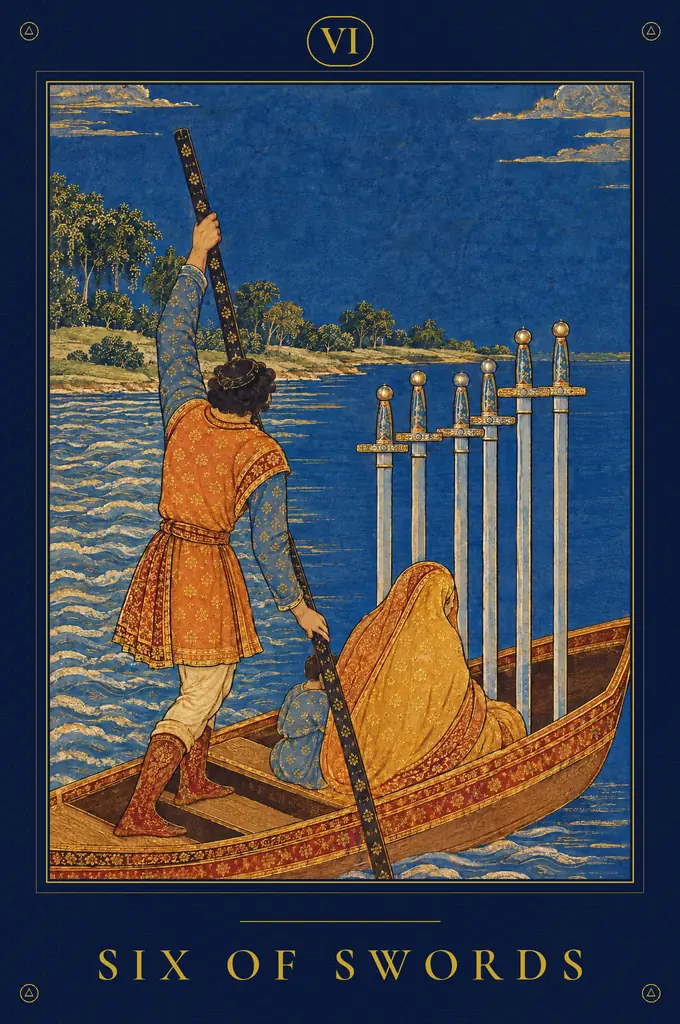
तलवारों का छह (Six of Swords) टैरो कार्ड का अर्थ है अशांत जल से शांत भूमि की ओर पार उतरना: सहायता लेकर आगे बढ़ना। एक नाविक खड़ा होकर बाँस से नाव खे रहा है, जिसमें सिर ढके एक स्त्री और एक बालक बैठे हैं, और नाव पेड़ों वाले तट की ओर जा रही है। कार्ड की तलवारें नाव के अगले भाग में सीधी खड़ी हैं, एक ओर लहरदार जल है और दूसरी ओर शांत। सीधा आने पर यह बदलाव और चलते-चलते होने वाला उपचार है। उलटा आने पर यह कोई घोषणा है, या ऐसी पार-यात्रा जिसमें देर हो रही है।

The Six of Swords tarot card means a passage from troubled water to calmer ground: moving on, with help. A boatman stands punting a boat that carries a seated, hooded woman and a child toward a wooded shore, with the swords of the card standing upright in the bow, rippled water on one side and smooth water on the other. Upright it is transition and recovery on the move; reversed it is a declaration, or a crossing delayed.

अंक VIतत्व वायुज्योतिष कुंभ में बुध (गोल्डन डॉन द्रेष्काण); सूट का तत्व वायुहिब्रू अक्षर वाव (सूट का अक्षर)हाँ या ना हाँ, धीरे-धीरे प्रगति के साथ
Six of Swords, TarotPandit deck
7 में से 1 · नाविक

कार्ड पर कोई अंक छुइए, या किसी प्रतीक की व्याख्या खोलिए। TarotPandit डेक 1909 की रचना को ज्यों का त्यों रखता है, भारतीय लघुचित्र शैली में।

कार्ड, प्रतीक-दर-प्रतीक
यह क्या हैWhat it is

नीली आस्तीनों वाले नारंगी अंगरखे, मलाई रंग के पाजामे और लाल जूतों में एक युवक नाव के पिछले भाग में हमारी ओर पीठ करके खड़ा है, दोनों हाथ एक लंबे गहरे बाँस पर जिसे वह जल में धँसाता है।

A young man in an orange tunic with blue sleeves, cream hose and red boots stands at the back of the boat with his back to us, both hands on a long dark pole that he drives into the water.

यह क्या दर्शाता हैWhat it denotes

वह सहायक जो पार जाने का रास्ता जानता है: मार्गदर्शक, मित्र, सलाहकार, गुरु, या अपना ही स्थिर अंश। वेट कहते हैं कि धारा शांत है और भार हल्का, इसलिए यह काम उसकी शक्ति के भीतर है।

The helper who knows the crossing: a guide, a friend, a counsellor, a teacher, or the steady part of oneself. Waite remarks that the course is smooth and the load is light, so the work is not beyond his strength.

बाँसThe pole

वह चप्पू से नहीं, बाँस से खेता है, और हर धक्के में बाँस तल को छूता है। प्रगति जल के नीचे की ठोस भूमि को छूकर होती है, एक-एक स्थिर धक्के से।

He punts with a pole, and it touches the bottom with every push. Progress comes from contact with solid ground beneath the water, one steady stroke at a time.

स्रोतSource

पिक्टोरियल की, 1910, कार्ड का विवरण और फलादेश। गोल्डन डॉन: कुंभ में बुध, अर्जित सफलता का स्वामी।

Pictorial Key, 1910, plate and divinatory meaning. Golden Dawn: Mercury in Aquarius, Lord of Earned Success.

पाठ-संकेतReading tip

सीधा: जो सहायता मिल रही है उसे स्वीकार कीजिए, प्रश्नकर्ता को अकेले नाव नहीं खेनी है। उलटा: नाविक घाट पर प्रतीक्षा कर रहा है, और पार-यात्रा तब शुरू होती है जब आप नाव में कदम रखते हैं।

Upright: accept the help being offered; the querent does not have to steer alone. Reversed: the ferryman is waiting at the jetty; the crossing begins when you step into the boat.
यह क्या हैWhat it is

एक स्त्री नाव के मध्य में बैठी है, सिर से पाँव तक सुनहरे-पीले आवरण में लिपटी, घूँघट आगे खींचा हुआ। हमें केवल उसकी पीठ और झुके सिर का आकार दिखता है।

A woman sits in the middle of the boat, wrapped from head to foot in a golden-yellow mantle with the hood drawn forward. We see only her back and the bowed shape of her head.

यह क्या दर्शाता हैWhat it denotes

वह जिसे पार ले जाया जा रहा है। उसके हाथ शांत हैं, वह सह रही है और होने दे रही है। घूँघट बताता है कि दुख अभी महसूस हो रहा है, या एकांत सँभाला जा रहा है, जबकि पार-यात्रा अपना काम कर रही है।

The one who is being carried through. Her hands are still; she endures and allows. The hood suggests sorrow still felt, or privacy kept, while the crossing does its work.

आगे की ओर मुखFacing forward

उसका मुख दूर के तट की ओर है। शोक में भी उसका ध्यान उधर है जहाँ वह जा रही है।

She faces the far shore. Even in grief, her attention is turned toward where she is going.

स्रोतSource

आकृति 1909 की प्लेट के अनुसार है। वह किसका प्रतीक है, यह पाठक की व्याख्या है।

The figure follows the 1909 plate. What she stands for is a reader's interpretation.

पाठ-संकेतReading tip

यदि प्रश्नकर्ता अपने को निष्क्रिय महसूस करे, तो याद दिलाइए कि ले जाया जाना भी उपचार का हिस्सा है। उलटा आने पर वह मुड़कर लौटना चाहती है। उस खिंचाव को मान लीजिए, फिर दोबारा दूर के तट की ओर मुख कीजिए।

If the querent feels passive, remind them that being carried is also part of healing. Reversed, she wants to turn back; acknowledge the pull, then face the far shore again.

यह क्या हैWhat it is

घुँघराले काले बालों वाला एक छोटा बालक, सुनहरे बूटों वाले नीले वस्त्र में, स्त्री की बगल से सटकर बैठा है, उसी की तरह आगे की ओर मुख किए।

A small child with dark curls, dressed in blue patterned with gold, sits close against the woman's side, facing forward like her.

यह क्या दर्शाता हैWhat it denotes

जिसकी राह में रक्षा करनी है: कोई आश्रित, कोई आशा, कोई नई परियोजना, अपना निर्दोष अंश। यह पार-यात्रा उतनी ही उसके लिए है जिसे वह आगे ले जा रही है, जितनी अपने लिए।

What must be protected on the way: a dependant, a hope, a young project, the innocent part of oneself. The crossing is made for what she carries forward as much as for herself.

रंगThe colour

नीला, जल और भावना का रंग, पर सुनहरे बूटों से अलंकृत। बालक कोमलता और किसी स्थायी के वचन, दोनों को लिए है।

Blue, the colour of the water and of feeling, but patterned with gold. The child carries both tenderness and the promise of something lasting.

स्रोतSource

बालक 1909 की प्लेट के अनुसार है। उसे रक्षा की जाने वाली आशा मानना पाठक की व्याख्या है।

The child follows the 1909 plate. The protected-hope reading is a reader's interpretation.

पाठ-संकेतReading tip

पूछिए कि प्रश्नकर्ता किसके लिए आगे बढ़ रहा है। प्रायः वह नाव का बालक होता है: कोई व्यक्ति या चीज़ जो शांत जीवन की हक़दार है। उलटा आने पर, जब संदेह उठें, उसी कारण को थामे रहिए।

Ask what the querent is moving on for. Often it is the child in the boat: someone or something that deserves a calmer life. Reversed, protect that reason when doubts arise.

यह क्या हैWhat it is

नाव के अग्रभाग में लंबी तलवारों की एक पंक्ति सीधी खड़ी है, नोकें नीचे नाव में और मूठें ऊपर, स्त्री के पीछे इस्पात की बाड़ जैसी सजी हुई।

A row of long swords stands upright in the front of the boat, points down into the hull and hilts up, ranged behind the woman like a fence of steel.

यह क्या दर्शाता हैWhat it denotes

अतीत के कष्ट यात्रियों के साथ चलते हैं। वे साथ आते हैं, अपनी जगह जड़े हुए, और अब कोई उन्हें चलाता नहीं। स्मृति नाव में बैठी है, उसे खेना नहीं पड़ता।

The troubles of the past travel with the passengers. They come along, fixed in place, and nobody wields them now. Memory rides in the boat; it does not have to steer.

गिनतीThe count

1909 की रचना नाव के अगले भाग में छह तलवारें रखती है, कार्ड की हर संख्या के लिए एक। उनकी नोकें नीचे नाव में जाती हैं, इसलिए वे उस पर भार डालती हैं पर उसमें छेद नहीं करतीं।

The 1909 composition sets six swords in the bow, one for each pip of the card. Their points go down into the boat, so they weigh it but do not pierce it.

स्रोतSource

तलवारें 1909 की रचना के अनुसार हैं। कई शिक्षक इन्हें साथ ढोए जा रहे पुराने कष्ट मानते हैं। यह अर्थ प्लेट के बाद का है।

The swords follow the 1909 composition. Many teachers read them as past troubles carried along; that reading is later than the plate.

पाठ-संकेतReading tip

प्रश्नकर्ता से कहिए कि आगे बढ़ने से पहले हर पुराना कष्ट सुलझाना ज़रूरी नहीं, तलवारें नाव के अगले भाग में साथ चल सकती हैं। उलटा आने पर भार बहुत भारी लगता है। एक तलवार इसी तट पर छोड़ दीजिए।

Tell the querent they do not need to resolve every past trouble before moving on; the swords can travel in the bow. Reversed, the load feels too heavy; leave one behind on this shore.

यह क्या हैWhat it is

एक लंबी, उथली लकड़ी की नाव, जिसका लाल-भूरा ढाँचा सुनहरे अलंकरण से सजा है और पिछले भाग में तख़्तों का फ़र्श दिखता है। वह तीन व्यक्तियों और तलवारों को सहज रूप से उठाए है।

A long, shallow wooden boat with a red-brown hull decorated in gold, its plank floor visible at the stern. It carries three people and the swords with room to spare.

यह क्या दर्शाता हैWhat it denotes

पार जाने का साधन: वह योजना, वह स्थानांतरण, वह वाहन जो आपको एक जीवन से अगले में ले जाता है। वेट बताते हैं कि भार हल्का है। नाव इस पार-यात्रा के योग्य है।

The means of passage: the plan, the move, the vehicle that takes you from one life to the next. Waite notes that the freight is light. The vessel is equal to the crossing.

जलयात्राA journey by water

वेट का पहला अर्थ शाब्दिक है: जलयात्रा। व्यावहारिक प्रश्न में यह कार्ड वास्तविक यात्रा, स्थानांतरण, या किसी दूरी के पार जाना बता सकता है।

Waite's first meaning is literal: a journey by water. In a practical question the card can mean actual travel, a relocation, or a move across a distance.

स्रोतSource

पिक्टोरियल की, 1910 (भार हल्का है, जलयात्रा)।

Pictorial Key, 1910 (the freight is light; a journey by water).

पाठ-संकेतReading tip

घर या देश बदलने के प्रश्न में नाव कहती है हाँ, नाव मज़बूत है। उलटा आने पर प्रस्थान से पहले व्यावहारिक व्यवस्थाएँ एक बार और जाँच लीजिए।

In a question about moving house or country, the boat says yes, the vessel is sound. Reversed, check the practical arrangements once more before departure.

यह क्या हैWhat it is

नाव के बाईं ओर जल सफ़ेद झाग वाली छोटी लहरों में टूटता है। दाईं ओर, अगले भाग के आगे, वह दूर के किनारे तक समतल और शांत फैला है।

On the left of the boat the water breaks into small white-crested waves; to the right, ahead of the bow, it lies flat and smooth toward the far bank.

यह क्या दर्शाता हैWhat it denotes

जहाँ आप रहे हैं और जहाँ जा रहे हैं, उनके बीच का अंतर। लहरदार जल अशांत समय है और शांत जल आगे का अधिक शांत जीवन। नाव दोनों के बीच है, एक से दूसरे की ओर बढ़ती हुई।

The difference between where you have been and where you are going. The rough water is the troubled time; the smooth water is the calmer life ahead. The boat is between them, moving from one to the other.

रंगThe colour

पूरे जल में एक-सा गहरा नीला है, बस सतह अलग है। भावनाएँ वही हैं, पर वे शांत होती जा रही हैं।

The same deep blue throughout; only the surface differs. The feelings are the same feelings, but they are becoming calmer.

स्रोतSource

जल 1909 की प्लेट के अनुसार है। लहरदार और शांत जल को अतीत और भविष्य मानना आज की प्रचलित शिक्षा है।

The waters follow the 1909 plate. Reading rough and smooth as past and future is a common modern teaching.

पाठ-संकेतReading tip

चिंतित प्रश्नकर्ता को दोनों तरह का जल दिखाइए: वे पहले ही लहरों और शांत जल के बीच हैं। उलटा आने पर नाव लहरों की ओर बह गई है। एक निर्णायक धक्का उसे फिर राह पर ले आता है।

Show an anxious querent both waters: they are already between the rough and the smooth. Reversed, the boat has drifted back toward the waves; one decisive stroke returns it to course.

यह क्या हैWhat it is

ऊपर बाईं ओर जल से एक रेतीला किनारा उठता है, जिस पर पत्तेदार हरे वृक्षों का कुंज है, और पहाड़ियों की एक नीची रेखा क्षितिज पर दाईं ओर चलती जाती है।

At the upper left a sandy bank rises from the water with a grove of leafy green trees, and a low line of hills continues across the horizon to the right.

यह क्या दर्शाता हैWhat it denotes

मंज़िल: वृद्धि, आश्रय और साधारण जीवन की जगह। वेट उसे दूसरा तट कहते हैं। वहाँ कोई स्वर्ग नहीं, बस उस जगह से बेहतर साधारण जीवन है जहाँ से यात्री चले थे।

The destination: a place of growth, shelter and ordinary life. Waite calls it the further shore. It promises an ordinary, better life, with no paradise in it.

हराGreen

स्मिथ की रंग-योजना में हरा वृद्धि है। दूर का तट नवीकरण का वचन देता है, किसी के फिर से जड़ पकड़ने का अवसर।

Green is growth in Smith's scheme. The far shore promises renewal, the chance for something to take root again.

स्रोतSource

पिक्टोरियल की, 1910 (दूसरे तट की ओर)। इसका अर्थ पाठक की व्याख्या है।

Pictorial Key, 1910 (to the further shore). Its meaning is a reader's interpretation.

पाठ-संकेतReading tip

परिणाम वाले स्थान पर दूर के तट को देखिए: अधिक शांत, अधिक साधारण जीवन पहुँच में है। उलटा आने पर तट अब भी वहीं है, और देर नाव में हो रही है।

In an outcome position, read the far shore: a calmer, more ordinary life is reachable. Reversed, the shore is still there and the delay lies in the boat.

मुख्य बातें
  • वेट इसका अर्थ जलयात्रा, मार्ग, पथ, दूत और उपाय बताते हैं: एक पार-यात्रा, प्रायः किसी ऐसे व्यक्ति की सहायता से जो रास्ता जानता है।Waite gives a journey by water, a route, a way, an envoy, an expedient: a passage taken, often with the help of someone who knows the way.
  • कष्ट आपके साथ चलते हैं, पर नाव में रखे हुए, आपके हाथों से दूर। यहाँ उपचार चलते-चलते होता है।The troubles travel with you, stowed in the boat and out of your hands. Recovery here happens while you are moving.
  • सीधा: बदलाव, आगे बढ़ना, आगे शांत समय। उलटा: वेट की घोषणा, स्वीकारोक्ति या प्रस्ताव, या ऐसी पार-यात्रा जिसका भीतर से विरोध हो रहा है।Upright: transition, moving on, calmer times ahead. Reversed: Waite's declaration, confession or proposal; or a crossing that is being resisted.
  • गोल्डन डॉन इस कार्ड को अर्जित सफलता का स्वामी कहता है, कुंभ में बुध: मन का धैर्यपूर्ण श्रम जो पार जाने का मार्ग निकालता है।Golden Dawn titles the card Lord of Earned Success, Mercury in Aquarius: the mind's patient work bringing a way through.
मुख्य शब्द

सीधा: संक्रमण, आगे बढ़ना, जलयात्रा, आगे शांत जल, मार्ग में सहायता

उलटा: घोषणा, स्वीकारोक्ति, अधूरा काम, परिवर्तन का प्रतिरोध, विलंबित प्रस्थान

तलवारें साथ चलती हैं, और अब उनकी धार किसी को नहीं छूती। कोई स्थिर हाथ नाव खे रहा है, दूर का तट हरा है, और बाँस के हर धक्के के साथ जल और शांत होता जाता है।

The swords come along, but they no longer cut. Someone steady is steering, the far shore is green, and the water grows calmer with every push of the pole.

जीवन के पाँच क्षेत्रों में

आपके जीवन में तलवारों का छह

जब प्रश्न धन, विवाह, काम, शरीर या स्वयं जीवन-पथ का हो, तब यह कार्ड क्या कहता है। धन सबके लिए खुला है; शेष चार प्रीमियम के लिए हैं।

What this card says when the question is about money, marriage, work, the body, or the road itself. Finance is open to everyone; the other four belong to Premium.

त्वरित उत्तरQuick answer
हाँ, धीरे-धीरे प्रगति के साथउलटा: हाँ, जब अनकही बात कह दी जाए
अंकThe number
6 · षट्छह वह सामंजस्य लौटाता है जिसे पाँच ने भंग किया था। यह फिर से पाए गए संतुलन और दी गई सहायता की संख्या है। मन के वर्ग में छह किसी अशांत जगह से शांत जगह की ओर पार उतरना है, जो किसी दूसरे की सहायता से पूरा होता है।
जन्म-तिथि
Is this your birth card?">
जाँच निःशुल्क है। प्रीमियम आपका जन्म-कार्ड और वर्ष-कार्ड प्रोफ़ाइल सहेजता है।
₹धनFinanceनिःशुल्क नमूना
सीधाUpright

आर्थिक कठिनाई के बाद स्थिर सुधार। सबसे कठिन समय पीछे है और स्थितियाँ शांत हो रही हैं, यद्यपि कुछ लहरें अभी पार करनी हैं। यह कार्ड धैर्य से पूरी की गई समझदार योजना का साथ देता है: ऋणों को एक जगह समेटना, अधिक स्थिर आय की ओर जाना, या खर्च घटाने के लिए जगह बदलना। उस व्यक्ति की सलाह लीजिए जो यह पार-यात्रा पहले कर चुका है।

A steady improvement after financial difficulty. The worst is behind you and conditions are becoming calmer, with some rough water still to cross. The card favours a sensible plan carried out patiently: consolidating debts, moving to a more stable income, or relocating to reduce costs. Accept advice from someone who has made this crossing before.

उलटाReversed

कोई पुराना दायित्व आपको रोके हुए है। उसे चुकाइए या उसकी स्पष्ट योजना बनाइए, और आगे का मार्ग खुल जाएगा।

An old obligation is holding you back. Settle it or set a clear plan for it, and the way forward opens.

बचिएAvoid

संकोच के कारण किसी न चुकाए ऋण को नए अध्याय में ले जाना।

Carrying an unpaid debt into a new chapter out of embarrassment.

इसके स्थान परTry instead

किसी अनुभवी व्यक्ति से पूछिए कि वे ऐसे ही झटके से कैसे उबरे।

Ask one experienced person how they recovered from a similar setback.

❖वैवाहिक जीवन और संबंधMarried life and relationshipsप्रीमियम
सीधाUpright

कोई दंपती या परिवार जो साथ मिलकर कठिन समय से शांत समय की ओर जा रहा है।

A couple or a family moving through a difficult time together toward a calmer one.

प्रीमियम से खोलिए
◈व्यवसाय और करियरBusiness and careerप्रीमियम
सीधाUpright

काम में बदलाव: तनाव भरी भूमिका छोड़ना, नया पद शुरू करना, स्थानांतरण, या किसी परियोजना के लिए यात्रा।

A transition at work: leaving a stressful role, starting a new position, relocating, or travelling for a project.

प्रीमियम से खोलिए
✚स्वास्थ्यHealthप्रीमियम
सीधाUpright

सुधार जारी है। सबसे कठिन चरण बीत चुका है और शक्ति लौट रही है, शायद धीरे-धीरे।

Recovery that is underway. The roughest stage has passed and strength is returning, perhaps slowly.

टैरो ध्यान दिलाता है, निदान नहीं करता। किसी भी लक्षण के लिए योग्य चिकित्सक से मिलिए।

प्रीमियम से खोलिए
☉जीवन-पथThe life pathप्रीमियम
सीधाUpright

जीवन के दो अध्यायों के बीच पार उतरना।

A crossing between two chapters of life.

प्रीमियम से खोलिए
प्रीमियम
सभी 78 कार्डों पर पाँचों क्षेत्र

असीमित पाठ, हर कार्ड के नीचे पाँचों क्षेत्र, आपका जन्म-कार्ड और वर्ष-कार्ड प्रोफ़ाइल, पाठ-इतिहास, हर पाठ की सीलबंद PDF और व्हाट्सऐप पर दैनिक कार्ड।

₹299
प्रति माह, या ₹1,999 प्रति वर्षप्रीमियम खोलिए
सीधा

तलवारों का छह: सीधा अर्थ

एक नाविक चपटी नाव को बाँस से दूर के किनारे की ओर खे रहा है। सिर ढके एक स्त्री बालक के साथ बैठी है, और नाव में छह तलवारें सीधी खड़ी हैं। सीधा आने पर तलवारों का छह कठिन समय से शांत समय की ओर पार उतरना है। आप कुछ पीछे छोड़ रहे हैं: कोई कठिन अध्याय, कोई जगह, कोई संबंध, जीने का कोई ढंग। वेट इसका अर्थ जलयात्रा, मार्ग, पथ, दूत और उपाय बताते हैं, और यह कार्ड सचमुच की यात्रा या स्थानांतरण भी बता सकता है। अधिकतर यह ऐसे उपचार की बात करता है जो चलते-चलते होता है। तलवारें साथ आती हैं। वे अब भी नाव में हैं, पर पतवार उनके हाथ में नहीं। जो सहायता मिल रही है उसे स्वीकार कीजिए और अपना मुख आगे के किनारे की ओर रखिए, जहाँ जल शांत है।

The Six of Swords upright is the crossing from a hard season to a quieter one. A ferryman poles a flat boat toward the far bank; a hooded woman sits with a child beside her, and six swords stand upright in the boat. Waite lists a journey by water, a route, an envoy, and the card can mean a real trip or a move. More often it describes recovery that happens while you are moving. The swords come along. They are still in the boat, but they no longer steer it. Accept the help on offer and keep your face toward the bank ahead, where the water is smooth.

उलटा

तलवारों का छह: उलटा अर्थ

उलटा आने पर इस कार्ड के दो अर्थ हैं, और पहले वेट का आता है: घोषणा, स्वीकारोक्ति और सार्वजनिकता, और उनका दिया एक और अर्थ इसे प्रेम का प्रस्ताव कहता है। जो जल के पार चुपचाप ले जाया जा रहा था, वह अब खुलकर कहा जाता है। आज के पाठक उलटे कार्ड को ऐसी पार-यात्रा मानते हैं जिसमें देर हो रही है या भीतर से विरोध है: अधूरा काम जो आपको पुराने तट पर रोके है, अनजाने का डर, या बीच में रुकी यात्रा। दोनों अर्थ एक ही दिशा दिखाते हैं। जाने से पहले जो कहना है वह कह दीजिए, जो एक दिन में निपट सकता है उसे निपटाइए, और फिर नाव में कदम रखिए। दूर का तट अपनी जगह पर है, और नाविक अब भी प्रतीक्षा कर रहा है।

The reversal carries two readings, and Waite's comes first: declaration, confession and publicity, and one account he gives calls it a proposal of love. Something carried silently across the water is now spoken aloud. Modern readers take the reversal as a crossing delayed or resisted: unfinished business holding you on the old shore, fear of the unknown, or a trip interrupted. Both readings point the same way. Say what needs saying before you leave, settle what can be settled in a day, and then step into the boat. The far shore has not moved, and the ferryman is still waiting.

स्थान के अनुसार

प्रश्न के अनुसार तलवारों का छह

प्रेमLove

पीड़ा के समय के बाद आगे बढ़ना, या किसी दंपती का साथ मिलकर कठिन दौर को पीछे छोड़ना। उलटा: वेट के अनुसार कोई घोषणा या प्रेम का प्रस्ताव, या अतीत को छोड़ने में कठिनाई। साफ़ कहिए और फिर आगे बढ़िए।

Moving on after a painful period, or a couple leaving a difficult phase behind together. Reversed: following Waite, a declaration or a proposal of love; or difficulty letting go of the past; speak plainly and then move forward.

करियरCareer

बदलाव का समय: नई नौकरी, तबादला, किसी अशांत कार्यस्थल से दूर जाना, काम के लिए यात्रा। उलटा: तबादले में देर, या अनसुलझे मामले जो पीछे-पीछे चले आएँ। जाने से पहले बिखरे सिरे समेट लीजिए।

A transition: a new job, a transfer, a move away from a troubled workplace, travel for work. Reversed: a move delayed, or unresolved issues following you; tie up loose ends before you go.

धनMoney

कठिन समय के बाद धीरे-धीरे सुधार, और स्थिरता की ओर बढ़ना। उलटा: कोई पुराना ऋण या दायित्व जो अभी चुकाना है। नया अध्याय शुरू होने से पहले उसे चुका दीजिए।

Gradual improvement after a hard period; moving toward stability. Reversed: an old debt or obligation still to settle; clear it before the new chapter begins.

स्वास्थ्यHealth

सुधार जारी है, और शक्ति धीरे-धीरे लौट रही है। उलटा: आशा से धीमी प्रगति। योजना पर टिके रहिए और अपने चिकित्सक से अगले कदमों के बारे में पूछिए।

Recovery in progress; a gradual return to strength. Reversed: progress slower than hoped; keep to the plan and ask your practitioner about next steps.

टैरो ध्यान दिलाता है, निदान नहीं करता। किसी भी लक्षण के लिए योग्य चिकित्सक से मिलिए।

आध्यात्मिकSpiritual

मार्गदर्शक के साथ पार जाना: वह गुरु जो शिष्य को किसी कठिन राह से पार ले जाता है। उलटा: पुराने तट को पकड़े रहना। मार्गदर्शक को आपको पार ले जाने दीजिए।

Crossing over with a guide; the teacher who ferries the student through a hard passage. Reversed: holding on to an old shore; let the guide take you across.

तत्ववायु
ज्योतिषकुंभ में बुध (गोल्डन डॉन द्रेष्काण)
हिब्रू अक्षरवाव (सूट का अक्षर)
अंक-विद्या6 · षट्
हाँ या नाहाँ
वैदिक सेतु

दो परंपराओं के बीच एक व्याख्यात्मक समानांतर, जो शिक्षण के लिए दिया गया है। यह शास्त्रीय उद्धरण नहीं है, और कोई परंपरा दूसरी का वर्णन करने का दावा नहीं करती।

गीता (4.36) में कृष्ण कहते हैं कि सबसे बड़ा पापी भी केवल ज्ञान की नौका से सारे पाप के पार जा सकता है। तलवारों का छह उसी नौका का चित्र है। भारतीय परंपरा में पार उतरने का स्थान तीर्थ है, और दूसरों को पार ले जाने वाला गुरु की स्वाभाविक छवि है। इस दशांश का स्वामी बुध है, वह बुद्धि जो मार्ग खोजती है।

In the Gita (4.36) Krishna says that even the greatest wrongdoer can cross over all wrong by the boat of knowledge alone. The Six of Swords pictures that boat. A crossing-place in the Indian tradition is a tirtha, and the one who ferries others across is a natural image of the guru. Mercury, ruler of this decan, is Budha, the intellect that finds the way.

संयोजन

अन्य कार्डों के साथ तलवारों का छह

तलवारों का छह + रथ

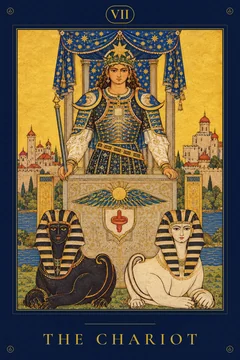
तलवारों के छह के साथ रथ: दृढ़ संकल्प से पूरी की गई यात्रा या स्थानांतरण। यात्रा और स्थान-परिवर्तन का प्रबल संकेत।

The Six of Swords with the Chariot: a move or a trip carried through with determination. Travel and relocation are strongly indicated.

तलवारों का छह + प्यालों का आठ

तलवारों के छह के साथ प्यालों का आठ: जो अब संतोष नहीं देता उससे दूर जाना, और उसके पार शांत जल पाना।

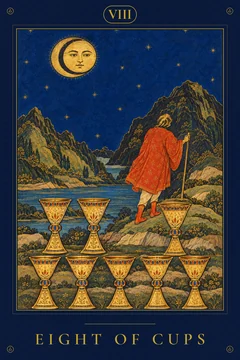
The Six of Swords with the Eight of Cups: walking away from what no longer fulfils, and finding calmer water beyond it.

तलवारों का छह + तारा

तलवारों के छह के साथ तारा: पार-यात्रा उपचार और नई आशा की ओर ले जाती है। दूर का तट आशा से बेहतर है।

The Six of Swords with the Star: the crossing leads to healing and renewed hope. The far shore is better than expected.

तलवारों का छह + तलवारों का पाँच

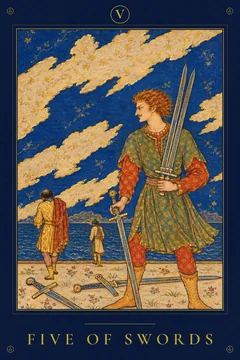
तलवारों के छह के साथ तलवारों का पाँच: किसी संघर्ष को आगे खींचने से इनकार करके उसे पीछे छोड़ देना। प्रस्थान ही अधिक समझदारी की जीत है।

The Six of Swords with the Five of Swords: leaving a conflict behind and refusing to continue it. The departure is the wiser victory.

प्रश्नोत्तर

प्रश्न और उत्तर: तलवारों का छह

तलवारों का छह (Six of Swords) टैरो कार्ड का क्या अर्थ है?

अशांत समय से शांत समय की ओर पार उतरना: बदलाव, आगे बढ़ना और चलते-चलते होने वाला उपचार। वेट इसका अर्थ जलयात्रा, मार्ग, दूत और उपाय बताते हैं। कष्ट साथ चलते हैं, पर पतवार अब उनके हाथ से छूट चुकी है।

A passage from a troubled time to a calmer one: transition, moving on and recovery in motion. Waite gives a journey by water, a route, an envoy, an expedient. The troubles travel with you, and they have lost the helm.

क्या तलवारों का छह हाँ है या ना?

हाँ, धीरे-धीरे प्रगति के साथ, अचानक बदलाव की संभावना कम है। उलटा आने पर हाँ, जब अनकही बात कह दी जाए और अंतिम बिखरा सिरा भी बाँध दिया जाए।

Yes, with gradual progress; sudden change is unlikely. Reversed, yes once what has been left unsaid is spoken and the last loose end is tied.

उलटा तलवारों का छह क्या दर्शाता है?

वेट इसका अर्थ घोषणा, स्वीकारोक्ति और सार्वजनिकता बताते हैं, और प्रेम का प्रस्ताव भी दर्ज करते हैं। आज के पाठक इसमें अधूरे काम या डर से अटकी पार-यात्रा देखते हैं। जो कहना है कहिए, जो निपट सके निपटाइए, फिर नाव में कदम रखिए।

Waite gives declaration, confession and publicity, and records a proposal of love. Modern readers see a crossing delayed by unfinished business or fear. Say what needs saying, settle what you can, then step into the boat.

भावना के रूप में तलवारों के छह का क्या अर्थ है?

भावना की दृष्टि से कोई जो ठीक हो रहा है और आगे बढ़ रहा है, पहले से शांत पर अधिक स्थिर। वह शायद तीव्रता से अधिक शांति चाहता है। उलटा आने पर उसके पास कुछ कहने या स्वीकार करने को है। उसे कहने का अवसर दीजिए।

As feelings, someone who is healing and moving forward, quieter than before but steadier. They may want calm more than intensity. Reversed, they have something to say or confess; give them room to say it.

क्या तलवारों के छह का अर्थ यात्रा है?

हो सकता है। वेट का पहला अर्थ जलयात्रा है, और यह कार्ड प्रायः किसी स्थानांतरण, जगह बदलने या यात्रा से पहले आता है। यह उतनी ही कठिन समय से शांत समय की ओर भीतर की पार-यात्रा का भी वर्णन करता है।

It can. Waite's first meaning is a journey by water, and the card often appears before a move, a relocation or a trip. It equally describes an inner crossing from a hard time to a calmer one.

यह कार्ड निकालिए
देखिए, आपके अपने पाठ में यह कार्ड कहाँ आता है

निःशुल्क, द्विभाषी, प्रतिदिन तीन पाठ।

अपने कार्ड निकालिए
संबंधित कार्ड

स्रोत: A. E. Waite, The Pictorial Key to the Tarot (1910); Golden Dawn attributions (Vav as suit letter; Mercury in Aquarius, Lord of Earned Success); The 1909 Smith-Waite plate, Pamela Colman Smith