TarotPanditby Pandit Rahul Kaushl
मेजर आर्काना · VII

रथ The Chariot

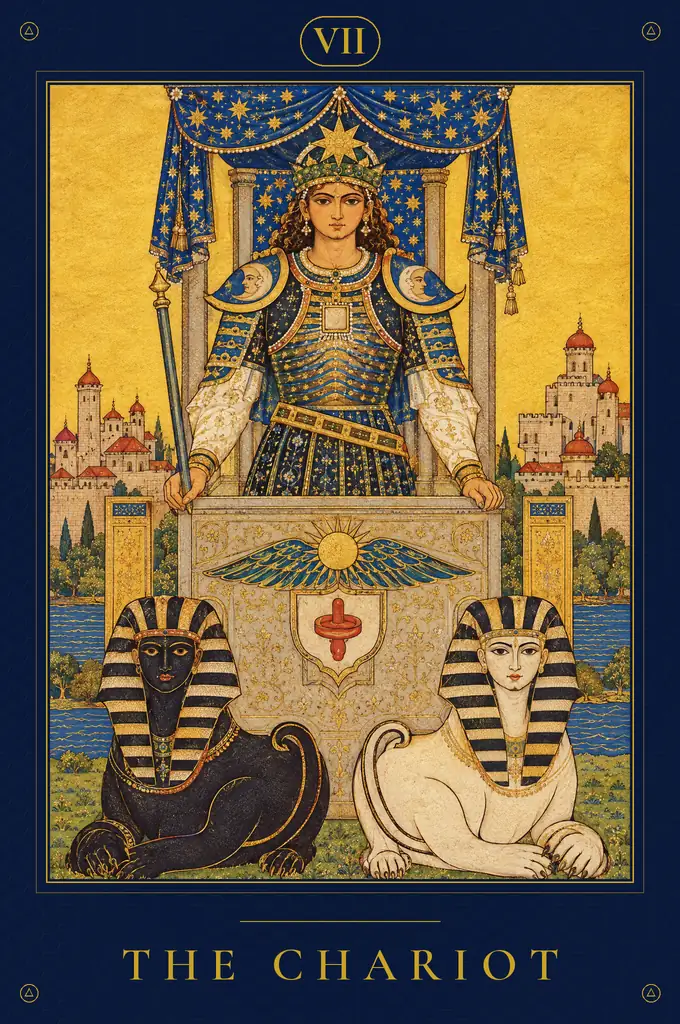
रथ (The Chariot) टैरो कार्ड का अर्थ है दिशा के द्वारा विजय: विरोधी शक्तियाँ एक संकल्प के अधीन थामी हुई। सातवें कार्ड पर तारों भरी छतरी के नीचे पत्थर के रथ में एक मुकुटधारी राजकुमार खड़ा है। उसके कंधों पर अर्धचंद्र हैं और हाथ में दंड। सामने काला और श्वेत स्फिंक्स विश्राम कर रहे हैं, रथ के अग्रभाग पर पंखधारी चक्र है और पीछे परकोटे वाला नगर। सीधा आने पर यह कार्ड नियंत्रण, गति और विजय का संकेत है। उलटा आने पर दोनों स्फिंक्स विपरीत दिशाओं में खींचने लगते हैं।

The Chariot tarot card means victory through direction: opposed forces held under one will. Card VII shows a crowned prince in a stone chariot under a starry canopy, crescent moons on his shoulders, a wand in his hand, a black sphinx and a white sphinx at rest before him, a winged disc on the chariot front and a walled city behind. Upright it is control, momentum and triumph; reversed, the two sphinxes pulling apart.

अंक VIIतत्व जलज्योतिष कर्क (गोल्डन डॉन)हिब्रू अक्षर खेथहाँ या ना हाँ, श्रम और दिशा के द्वारा
The Chariot, TarotPandit deck
8 में से 1 · सारथी

कार्ड पर कोई अंक छुइए, या किसी प्रतीक की व्याख्या खोलिए। TarotPandit डेक 1909 की रचना को ज्यों का त्यों रखता है, भारतीय लघुचित्र शैली में।

कार्ड, प्रतीक-दर-प्रतीक
यह क्या हैWhat it is

पत्थर के रथ में सीधा खड़ा एक युवा राजकुमार, कंधों तक काले घुँघराले केश, बड़े अष्टकोणीय तारे से जड़ा स्वर्ण मुकुट, श्वेत आस्तीनों पर स्वर्ण तारों से बुना नीला कवच, कवच पर चौकोर श्वेत प्रतीक और स्वर्ण चौकोरों की मेखला। वेट उसे एक सीधी खड़ी, राजसी आकृति कहते हैं।

A young prince standing upright in a stone chariot, dark curls to the shoulder, a gold crown set with a large eight-pointed star, blue armour sown with gold stars over white sleeves, a square white emblem on the breastplate and a belt of gold squares. Waite calls him an erect and princely figure.

यह क्या दर्शाता हैWhat it denotes

वेट के शब्दों में, सभी स्तरों पर विजय: मन में, विज्ञान में, प्रगति में, दीक्षा की कुछ परीक्षाओं में। वह सबसे बढ़कर मन की विजय है। वह जादूगर की ही तरह खड़ा है, क्योंकि उसका अधिकार प्रयोग से आया है। वेट स्पष्ट कहते हैं कि वह न वंशानुगत राजा है, न पुरोहित।

Conquest on all planes, in Waite's phrase: in the mind, in science, in progress, in certain trials of initiation. He is above all things triumph in the mind. He stands where the Magician also stood, because his authority is exercised; Waite says plainly that he is neither hereditary royalty nor priesthood.

मुकुट और चौकोरThe crown and the square

मुकुट पर अष्टकोणीय तारा दिशा का तारा है, वह एक स्थिर बिंदु जिससे यात्री मार्ग साधता है। कवच पर श्वेत चौकोर प्लेट पर अंकित है। बहुत से शिक्षक इसे पृथ्वी और हृदय के ऊपर क्रम में थमे चारों तत्व मानते हैं।

The eight-pointed star on the crown is the star of direction, the one fixed point a traveller steers by. The white square on the breastplate is on the plate; many teachers take it as the earth and the four elements held in order over the heart.

स्रोतSource

ए. ई. वेट, द पिक्टोरियल की टु द टैरो, 1910। गोल्डन डॉन: रथ को खेथ अक्षर और कर्क राशि से जोड़ा गया।

A. E. Waite, The Pictorial Key to the Tarot, 1910. Golden Dawn: the Chariot attributed to Cheth and Cancer.

पाठ-संकेतReading tip

सीधा आने पर सारथी प्रश्नकर्ता की सर्वाधिक सामर्थ्य को दिखाता है: निश्चित, कवचधारी, गतिमान। उलटा आने पर कवच तो पहना है पर रथ खड़ा है। पूछिए कि गंतव्य क्या है, और सुनिए कि कोई गंतव्य बताया भी जाता है या नहीं।

The charioteer upright is the querent at their most capable: decided, armoured, moving. Reversed, the armour is on and the chariot is standing still; ask what the destination is, and listen for whether one is named.
यह क्या हैWhat it is

स्वर्ण तारों से बुनी गहरी नीली छतरी, रथ के कोनों पर चार हल्के स्तंभों से टँगी हुई, केंद्र में एक बड़ा तारा और किनारों पर स्वर्ण झालरें। सारथी पीले दिन के बीचोबीच अपने रात्रि-आकाश के एक टुकड़े के नीचे खड़ा है।

A deep blue canopy sown with gold stars, hung from four pale posts at the corners of the chariot, with a large star at its centre and gold tassels at the edges. The driver stands beneath his own piece of night sky in the middle of a yellow day.

यह क्या दर्शाता हैWhat it denotes

वे आकाशीय प्रभाव जिनके अधीन यात्रा होती है। चार स्तंभ चार तत्व हैं, चार दिशाएँ, वह ढाँचा जिसके भीतर संकल्प कार्य करता है। तारे उस ढाँचे के ऊपर की व्यवस्था हैं। वह सिर के ऊपर जो है उससे मार्ग साधता है, और इसी से कार्ड महत्त्वाकांक्षा को केवल गति बनने से रोकता है।

The celestial influences under which the drive is made. The four posts are the four elements, the four directions, the frame within which will operates; the stars are the order above the frame. He steers by what is overhead, which is how the card keeps ambition from becoming mere speed.

रंगThe colour

गहरा नीला और स्वर्ण, रात्रि-आकाश के रंग और कर्क के स्वामी चंद्रमा के। वही नीला उसके कवच पर है: सारथी ने स्वयं को उसी आकाश में ढाँप लिया है जिसके नीचे वह यात्रा करता है।

Deep blue and gold, the colours of the night sky and of Cancer's ruler, the Moon. The same blue covers his armour: the driver has dressed himself in the sky he travels under.

स्रोतSource

पिक्टोरियल की, 1910, कार्ड का विवरण।

Pictorial Key, 1910, description of the plate.

पाठ-संकेतReading tip

केल्टिक क्रॉस के मुकुट-स्थान पर छतरी ही संदेश है: लक्ष्य ऊपर से अनुकूल है, बशर्ते वाहन अपने चारों कोने बनाए रखे। उलटा आने पर ढाँचा ढीला है, और योजना के चार आधारों में से एक अनुपस्थित है।

In the crown position of the Celtic Cross, the canopy is the message: the goal is favoured from above, provided the vehicle keeps its four corners. Reversed, the frame is loose; one of the four supports of the plan is missing.

यह क्या हैWhat it is

कवच के प्रत्येक कंधे पर मानव मुख वाला एक स्वर्ण अर्धचंद्र बैठा है: एक बाईं ओर, एक दाहिनी ओर, दोनों एक-दूसरे से विमुख बाहर की ओर देखते हुए। वेट कहते हैं कि विजयी नायक के कंधों पर ऊरीम और थुम्मीम माने गए हैं।

On each shoulder of the armour sits a gold crescent moon with a human face: one at the left, one at the right, each looking outward away from the other. Waite says that on the shoulders of the victorious hero are supposed to be the Urim and Thummim.

यह क्या दर्शाता हैWhat it denotes

निर्णय के दो उपकरण, हाँ और ना, वहाँ पहने हुए जहाँ से भुजाएँ आरंभ होती हैं। कर्क का स्वामी चंद्रमा है, और चंद्रमा बढ़ता और घटता है। सारथी दोनों कलाएँ धारण करता है और किसी एक को अकेले निर्णय नहीं करने देता। हर दृढ़ निर्णय का एक मुख कहता है चलो और एक कहता है ठहरो, और उसने दोनों को अपने कवच पर रखा है जहाँ वह उनका भार अनुभव कर सके।

The two instruments of judgement, yes and no, worn where the arms begin. Cancer is ruled by the Moon, and the Moon waxes and wanes; the driver carries both phases and lets neither alone decide. Every strong decision has a face that says go and a face that says wait, and he has put them both on his armour where he can feel their weight.

दोनों मुखThe two faces

इस चित्र में बायाँ अर्धचंद्र प्रशांत है और दाहिना गंभीर। ये एक ही संकल्प के दो स्वभाव हैं: एक जो मार्ग पर भरोसा करता है और एक जो मानचित्र जाँचता है। दोनों आवश्यक हैं, और विजय दोनों को साथ धारण करने में है।

In this painting the left crescent is serene and the right is grave. Read them as the two tempers of the same will: the one that trusts the road and the one that checks the map. Both belong, and the victory lies in carrying them together.

स्रोतSource

पिक्टोरियल की, 1910 ("ऊरीम और थुम्मीम")।

Pictorial Key, 1910 ("the Urim and Thummim").

पाठ-संकेतReading tip

जब प्रश्नकर्ता पूछे कि कर्म करें या प्रतीक्षा, तो दोनों चंद्रमाओं को साथ पढ़िए: कार्ड कहता है कि दोनों स्वर पहले से आपके कंधों पर हैं, और प्रश्न यह है कि कौन-सा मौन हो गया। उलटा, एक चंद्रमा तोड़ दिया गया और केवल एक स्वर बचा है।

When a querent asks whether to act or wait, read the two moons together: the card says both voices are already on your shoulders, and the question is which one has gone silent. Reversed, one moon has been torn off and only one voice is left.

यह क्या हैWhat it is

दाहिने हाथ में सीधा थामा लंबा स्वर्ण दंड, जिसका आधार रथ की मुँडेर पर टिका है, और बायाँ हाथ पत्थर पर सपाट रखा हुआ। लगाम खोजिए तो कोई नहीं। स्फिंक्स किसी दृश्य बंधन में जुते नहीं हैं।

A long gold wand held upright in his right hand, its base resting on the chariot's rim, and his left hand laid flat on the stone. Look for reins and there are none; nothing visible ties the sphinxes to the car.

यह क्या दर्शाता हैWhat it denotes

संकल्प ही एकमात्र लगाम है। दंड जादूगर का उपकरण है जो कार्यशाला से निकलकर मार्ग पर आ गया: वही दिशा पाया हुआ संकल्प, अब गतिमान। सारथी को पशुओं से कोई भौतिक वस्तु नहीं जोड़ती, और यही इस कार्ड की शिक्षा है। जो नियंत्रण बल पर टिका है वह बल के थकते ही छूट जाता है। जो नियंत्रण स्थिर मन में बसा है, वह साथ चलता है।

Will as the only rein. The wand is the Magician's instrument carried out of the workshop and onto the road: the same directed intention, now moving. That nothing physical connects the driver to the animals is the teaching of the card. Control that depends on force is lost the moment the force tires; control that rests in a settled mind travels.

तलवार या दंडSword or wand

वेट का पाठ खिंची हुई तलवार की बात करता है, जबकि 1909 की प्लेट, और उसके अनुसरण में यह चित्र, उसे दंड देते हैं। यह अंतर शिक्षाप्रद है। तलवार तर्क जीतती है। दंड ऊर्जा को दिशा देता है। कार्ड ने दंड चुना।

Waite's text speaks of a drawn sword, while the 1909 plate, and this painting after it, give him a wand. The difference is instructive. A sword wins the argument. A wand directs the energy. The card chose the wand.

स्रोतSource

पिक्टोरियल की, 1910 ("खिंची हुई तलवार लिए")। प्लेट स्वयं दंड दिखाती है।

Pictorial Key, 1910 ("carrying a drawn sword"); the plate itself shows a wand.

पाठ-संकेतReading tip

यदि प्रश्नकर्ता किसी परिस्थिति को दबाव से नियंत्रित करने का प्रयास कर रहा हो, तो उसे खाली हाथ दिखाइए: रथ संकल्प से चलता है। उलटा, पूछिए कि वे क्या कसकर पकड़े हैं, और क्या वह किसी वस्तु से जुड़ा भी है।

If the querent is trying to control a situation by pressure, show them the empty hands: the Chariot steers by intention. Reversed, ask what they are gripping, and whether it is attached to anything.

यह क्या हैWhat it is

पत्थर के रथ के अग्र-फलक पर, ढाल के ऊपर, नीले और हरे रंग के दो फैले पंखों के बीच एक स्वर्ण सूर्य-चक्र। यह कार्ड के ठीक केंद्र में है, ऊपर सारथी के हाथों और नीचे दोनों स्फिंक्स के बीच।

On the front panel of the stone chariot, above the shield, a gold sun disc flanked by two outspread wings in blue and green. It sits at the exact centre of the card, between the driver's hands above and the two sphinxes below.

यह क्या दर्शाता हैWhat it denotes

पंखों पर वहन किए सूर्य का प्राचीन मिस्री प्रतीक: ढोई हुई आत्मा, गति में सुरक्षा। यह मनुष्य पर नहीं, वाहन पर रखा है, यह बताने के लिए कि मार्ग स्वयं संरक्षण में है। वेट मिस्री प्रतीकों को वहाँ स्वीकार करते हैं जहाँ वे काम आएँ, बशर्ते उद्गम का कोई सिद्धांत न थोपा जाए। प्रतीक यहाँ उसी भाव से प्रयुक्त है।

The old Egyptian emblem of the sun borne on wings: spirit carried, protection in motion. It sits on the vehicle, away from the man, to say that the road itself is under guard. Waite allows Egyptian symbolism where it serves, provided no theory of origin is implied, and the emblem is used here in that spirit.

रंगThe colours

सूर्य के लिए स्वर्ण, पंखों के लिए नीला-हरा: जल और वायु पर वहन की हुई अग्नि। रथ तत्व से जल है, और चक्र दिखाता है कि सौर संकल्प उस जल पर सवार है और उसे भरा-पूरा रहने देता है।

Gold for the sun, blue-green for the wings: fire carried by water and air. The chariot is Water by element, and the disc shows the solar will riding on that water and leaving it full.

स्रोतSource

पिक्टोरियल की, 1910, कार्ड का विवरण और मिस्री प्रतीकों के प्रयोग पर वेट की टिप्पणी।

Pictorial Key, 1910, description of the plate and Waite's note on the use of Egyptian symbolism.

पाठ-संकेतReading tip

जब रथ गुप्त प्रभावों वाले स्थान में आए, तो चक्र ही उत्तर है: मार्ग किसी ऐसी वस्तु से सुरक्षित है जिस पर प्रश्नकर्ता का ध्यान नहीं गया। उलटा आने पर सुरक्षा अब भी है, पर सारथी ने उस पर भरोसा करना छोड़ दिया है।

When the Chariot falls in the position of hidden influences, the disc is the answer: the road is protected by something the querent has not noticed. Reversed, the protection is still there and the driver has stopped trusting it.

यह क्या हैWhat it is

पंखधारी चक्र के नीचे एक छोटी हल्की ढाल टँगी है, और उस पर लाल रंग में गोल आधार से उठता एक दंड: लिंग और योनि, सृजनात्मक मिलन का प्रतीक। रथ के पूरे अग्रभाग पर यही एक उष्ण रंग है।

Below the winged disc hangs a small pale shield, and on it in red a rod rising from a round base: the lingam and yoni, the emblem of the generative union. It is the one warm colour on the whole front of the chariot.

यह क्या दर्शाता हैWhat it denotes

सक्रिय और ग्रहणशील का मिलन, जो हर विजय के नीचे का यंत्र है। दोनों स्फिंक्स अलग थामी हुई विरोधी शक्तियाँ हैं, और ढाल पर का प्रतीक वही दो शक्तियाँ जुड़ी हुई। सारथी सृजनात्मक शक्ति को दबाता नहीं। वह उसे वाहन के अग्रभाग पर लगाता है और खींचने देता है।

The union of the active and the receptive, which is the engine under every victory. The two sphinxes are opposed forces held apart; the emblem on the shield is the same two forces joined. The driver does not suppress the generative power; he mounts it on the front of the vehicle and lets it pull.

रंगThe colour

मलाई-रंग पर लाल: कामना और जीवन-शक्ति, सुरक्षित स्थान पर रखी हुई। ढाल छोटी है और प्रतीक सादा। जो शक्ति स्वीकार कर ली गई, उसे खुले में ढोया जा सकता है। केवल अस्वीकृत शक्ति को छिपाना पड़ता है।

Red on cream: desire and life-force, set in a protected place. The shield is small and the emblem is plain. Power that is acknowledged can be carried openly; only power that is denied must be hidden.

स्रोतSource

प्रतीक 1909 की प्लेट पर है। बहुत से शिक्षक इसे लिंग-योनि का प्रतीक मानते हैं।

The emblem is on the 1909 plate. Many teachers read it as lingam and yoni.

पाठ-संकेतReading tip

साझेदारी या उद्यम के प्रश्न में ढाल पूछती है कि दोनों पक्ष जुड़े हैं या केवल समानांतर चल रहे हैं। सीधा आने पर वे जुड़े हुए हैं। उलटा आने पर एक वाहन में दो यंत्र अलग-अलग चल रहे हैं।

In a question about a partnership or a venture, the shield asks whether the two parties are joined or merely parallel. Upright they are joined. Reversed, two engines are running separately in one vehicle.

यह क्या हैWhat it is

रथ के सामने घास पर दो स्फिंक्स लेटे हैं, प्रत्येक का धारीदार शिरोवस्त्र के नीचे मानव मुख और सिंह की देह: बाईं ओर वाला काला, दाहिनी ओर वाला श्वेत, दोनों स्थिर, सिर एक-दूसरे से थोड़े विमुख। वेट समझाते हैं कि सारथी ने स्फिंक्स को उत्तर दे दिया है, और इसी कारण दो स्फिंक्स उसका रथ खींचते हैं।

Two sphinxes lie on the grass before the chariot, each with a human face under a striped headdress and a lion's body: the one at the left black, the one at the right white, both still, their heads turned slightly away from each other. Waite explains that the driver has replied to the sphinx, and it is on this account that two sphinxes draw his chariot.

यह क्या दर्शाता हैWhat it denotes

किसी भी जीवन की विरोधी शक्तियाँ: दया और कठोरता, हाँ और ना, पास खींचती और दूर खींचती शक्ति। वे विश्राम में हैं, और यही पूरी बात है। विजय उन्हें शांत कर लेने में है, ताकि जब सारथी चाहे, वे उठें और एक वाहन को एक दिशा में खींचें। वेट जोड़ते हैं कि जिस पहेली का उसने उत्तर दिया वह प्रकृति की है और कृपा का क्षेत्र उससे अछूता रहता है। यह बाहरी शक्तियों पर अधिकार है।

The opposed forces of any life: mercy and severity, yes and no, the pull toward and the pull away. They are at rest, which is the whole point. The victory is in having quieted them, so that when the driver wills it they will rise and pull one vehicle in one direction. Waite adds that the riddle he answered belongs to Nature and leaves Grace untouched; this is mastery of the outer forces.

रंगThe colours

काला और श्वेत, उच्च पुजारिन के दो स्तंभ, लिटाकर खींचने को लगाए हुए। जिन्हें वह द्वार की तरह अलग रखती है, उन्हें वह जोड़ी की तरह जोतता है। पीछे का नगर लाल छतों वाला श्वेत है। केवल स्फिंक्स शुद्ध विपरीत हैं।

Black and white, the two pillars of the High Priestess laid down flat and made to pull. What she keeps apart as a doorway, he drives as a team. The city behind is white with red roofs; the sphinxes alone are pure opposites.

स्रोतSource

पिक्टोरियल की, 1910 ("इस प्रकार दो स्फिंक्स उसका रथ खींचते हैं"), एलिफ़ास लेवी के रूपांतर के अनुसरण में, जैसा वेट बताते हैं।

Pictorial Key, 1910 ("two sphinxes thus draw his chariot"), following the variation of Éliphas Lévi as Waite notes.

पाठ-संकेतReading tip

प्रश्नकर्ता से कहिए कि अपने काले और श्वेत स्फिंक्स का नाम लें: वे दो बातें जो उन्हें खींचती हैं। सीधा आने पर दोनों शांत और तत्पर हैं। उलटा आने पर एक दूसरे के बिना उठ खड़ा हुआ है और रथ वृत्त में घूम रहा है।

Ask the querent to name their black sphinx and their white: the two things pulling at them. Upright, both are quiet and ready; reversed, one has stood up without the other and the chariot is turning in a circle.

यह क्या हैWhat it is

रथ के पीछे दोनों ओर एक नगर की दीवारें और मीनारें उठती हैं, लाल गुंबदों और हरे वृक्षों वाला श्वेत पत्थर, और नगर तथा रथ के बीच एक नीली नदी बहती है। इन सबके ऊपर आकाश सपाट पीला है।

On both sides behind the chariot rise the walls and towers of a city, white stone with red domes and green trees, and between the city and the chariot runs a blue river. Above it all the sky is flat yellow.

यह क्या दर्शाता हैWhat it denotes

वह व्यवस्थित संसार जिसे वह बाहर जाकर जीतने के लिए छोड़ आया है। नगर उसके पीछे है: सुविधा, संरचना, ज्ञात। नदी कर्क का जल है, वह भावना जो हर प्रस्थान के नीचे बहती है। उसने उसे पार कर लिया है, और पीला आकाश कहता है कि यह पार करना पूरे दिन के प्रकाश में और स्पष्ट मन से हुआ।

The ordered world he has left to go out and win. The city is behind him: comfort, structure, the known. The river is Cancer's water, the feeling that runs under every departure. He has crossed it, and the yellow sky says the crossing was made in full daylight and with a clear mind.

वेट द्वारा बताई सीमाThe limit Waite names

वेट आग्रह करते हैं कि इस विजय के स्तर सारथी के बाहर हैं, और यदि वह उन स्तंभों तक आए जिनके बीच उच्च पुजारिन बैठी है, तो वह उसका ग्रंथ नहीं खोल सकता। जो नगर वह जीतता है वह उसके अपने हृदय की दीवारों के बाहर है। वेट कार्ड की परिधि ईमानदारी से बताते हैं, और पाठक को भी वैसा ही करना चाहिए।

Waite insists that the planes of this conquest lie outside the charioteer, and that if he came to the pillars between which the High Priestess sits he could not open her scroll. The city he conquers is outside the walls of his own heart. Waite states the card's scope honestly, and a reader should too.

स्रोतSource

पिक्टोरियल की, 1910 ("उसकी विजय के स्तर प्रकट या बाहरी हैं, उसके भीतर के नहीं")।

Pictorial Key, 1910 ("the planes of his conquest are manifest or external and not within himself").

पाठ-संकेतReading tip

जब रथ निकट-अतीत में बैठे, तो नदी पढ़िए: प्रस्थान हो चुका है और नगर की सुविधा पीछे है। उसी स्थान पर उलटा, प्रश्नकर्ता दीवारों से निकला तो है पर उन्हीं के चक्कर काट रहा है।

When the Chariot sits in the recent past, read the river: a departure has been made and the comfort of the city is behind. Reversed in the same position, the querent left the walls and is circling them.

मुख्य बातें
  • रथ की संख्या सात है। पहले छह कार्डों ने एक स्व और उसके संबंध गढ़े, और सातवाँ उस स्व को नगर से बाहर मार्ग पर ले जाता है।The Chariot is numbered VII: the first six cards built a self and its relationships; the seventh takes that self out of the city and onto the road.
  • कार्ड पर कोई लगाम नहीं है। स्फिंक्स केवल सारथी के संकल्प से थमे हैं, इसीलिए विजय मार्ग पर आने से पहले मन में होती है।There are no reins on the card. The sphinxes are held by the driver's will and nothing else, which is why the victory is in the mind before it is on the road.
  • चुने हुए लक्ष्य की ओर दिशा, नियंत्रण और गति। उलटा आने पर वही शक्तियाँ विपरीत खिंचने लगती हैं: आक्रामकता को बल समझ लिया जाता है, या वाहन में शक्ति रहती है पर दिशा नहीं।Direction, control and momentum toward a chosen goal. Reversed, the same forces pull apart: aggression passes for strength, or the vehicle has power and no steering.
  • वेट सीमा के विषय में ईमानदार हैं: सारथी की विजयें बाहरी हैं, और वह उच्च पुजारिन का ग्रंथ नहीं पढ़ सकता। यह बाहरी मार्ग की विजय है।Waite is honest about the limit: the charioteer's conquests are external, and he could not read the High Priestess's scroll. His triumph belongs to the outer road.
मुख्य शब्द

सीधा: संकल्प-शक्ति, विजय, नियंत्रण, दिशा, गति

उलटा: दिशाहीनता, आक्रामकता, ठहरी हुई यात्रा, विपरीत खिंचाव, खोखली विजय

एकमात्र लगाम के रूप में संकल्प। वह सारथी जिसने दो विरोधी पशुओं को बिना चाबुक के शांत किया है, और जिसे अब तय करना है कि मार्ग कहाँ जाता है।

Will as the only rein. The driver who has quieted two opposed animals without a whip, and who now must decide where the road goes.

जीवन के पाँच क्षेत्रों में

आपके जीवन में रथ

जब प्रश्न धन, विवाह, काम, शरीर या स्वयं जीवन-पथ का हो, तब यह कार्ड क्या कहता है। धन सबके लिए खुला है; शेष चार प्रीमियम के लिए हैं।

What this card says when the question is about money, marriage, work, the body, or the road itself. Finance is open to everyone; the other four belong to Premium.

त्वरित उत्तरQuick answer
हाँ, श्रम और दिशा के द्वाराउलटा: नहीं, जब तक दिशा अस्पष्ट है
अंकThe number
7 · सप्तसात पूरा सप्ताह है और भीतर की ओर मोड़: छह दिशाएँ और केंद्र, श्रम के छह दिन और सातवाँ जो उन्हें अर्थ देता है। रथ में यह वह विजय है जो मिल तो चुकी है, पर जिसे अभी घर तक पहुँचाना है।
जन्म-तिथि
Is this your birth card?">
जाँच निःशुल्क है। प्रीमियम आपका जन्म-कार्ड और वर्ष-कार्ड प्रोफ़ाइल सहेजता है।
₹धनFinanceनिःशुल्क नमूना
सीधाUpright

वह धन जो अनुशासन को उत्तर देता है। रथ ऐसी आर्थिक योजना के पक्ष में है जिसका एक तय गंतव्य हो और समय-सारणी निभाई जाए: तिथि तक चुकाया ऋण, स्थानांतरण के लिए जोड़ी राशि, पहले पड़ाव तक पहुँचा उद्यम। वाहन, परिवहन, रसद या यात्रा से जुड़ी आय अनुकूल है। दोनों स्फिंक्स खर्च और बचत हैं। कार्ड कहता है कि दोनों को एक दिशा में खींचा जा सकता है, यदि सारथी तय कर ले कि गृहस्थी कहाँ जा रही है।

Money that answers to discipline. The Chariot favours a financial plan with a single named destination and a schedule kept: a debt cleared by a date, a sum saved for a move, a venture that reaches its first milestone. Income connected with vehicles, transport, logistics or travel is favoured. The two sphinxes are spending and saving; the card says both can be made to pull one way if the driver decides where the household is going.

उलटाReversed

दो दिशाओं में तेज़ी से बहता धन, बिल या अनुबंध पर विवाद, या बहस जीतने के लिए की गई खरीद। वेट के उलटे अर्थ में मुकदमा सम्मिलित है। एक महीने के लिए हर नया वचन रोकिए और वह एक लक्ष्य लिखिए जिसकी सेवा धन करता है।

Money moving fast in two directions, a dispute over a bill or a contract, or a purchase made to win an argument. Waite's reversal includes litigation. Halt all new commitments for a month and write down the single goal the money serves.

बचिएAvoid

गंतव्य चुनने से पहले गति पर धन लगाना।

Financing speed before you have chosen the destination.

इसके स्थान परTry instead

एक तिथि के साथ एक धन-लक्ष्य तय कीजिए, और तीन महीने तक हर सोमवार उसे जाँचिए।

Set one money target with a date, and check it every Monday for three months.

❖वैवाहिक जीवन और संबंधMarried life and relationshipsप्रीमियम
सीधाUpright

एक वाहन में दो दृढ़ संकल्प, साथ खींचना सीखते हुए।

Two strong wills in one vehicle, learning to pull together.

प्रीमियम से खोलिए
◈व्यवसाय और करियरBusiness and careerप्रीमियम
सीधाUpright

उस पेशेवर का कार्ड जो काम पूरा करके देता है।

The card of the professional who delivers.

प्रीमियम से खोलिए
✚स्वास्थ्यHealthप्रीमियम
सीधाUpright

उद्यम, सहनशक्ति और दिशा स्वीकारने की देह की तत्परता।

Drive, stamina and the body's willingness to be directed.

टैरो ध्यान दिलाता है, निदान नहीं करता। किसी भी लक्षण के लिए योग्य चिकित्सक से मिलिए।

प्रीमियम से खोलिए
☉जीवन-पथThe life pathप्रीमियम
सीधाUpright

आप नगर छोड़ चुके हैं और मार्ग पर हैं, और कार्ड कहता है कि मार्ग आपका है।

You have left the city and are on the road, and the card says the road is yours.

प्रीमियम से खोलिए
प्रीमियम
सभी 78 कार्डों पर पाँचों क्षेत्र

असीमित पाठ, हर कार्ड के नीचे पाँचों क्षेत्र, आपका जन्म-कार्ड और वर्ष-कार्ड प्रोफ़ाइल, पाठ-इतिहास, हर पाठ की सीलबंद PDF और व्हाट्सऐप पर दैनिक कार्ड।

₹299
प्रति माह, या ₹1,999 प्रति वर्षप्रीमियम खोलिए
सीधा

रथ: सीधा अर्थ

तारों भरी छतरी के नीचे पत्थर के रथ में एक मुकुटधारी सारथी खड़ा है, और उसके सामने काला और श्वेत स्फिंक्स शांत बैठे हैं, बीच में कोई लगाम नहीं। सीधा आने पर रथ दिशा के द्वारा विजय का संकेत है। दो विरोधी शक्तियाँ एक संकल्प के अधीन विश्राम में लाई गई हैं, और वाहन इसलिए चलता है क्योंकि सारथी ने तय कर लिया है कि कहाँ जाना है। वेट इस आकृति को सभी स्तरों पर विजय और सबसे बढ़कर मन की विजय कहते हैं, और उनके भविष्यकथन-अर्थ सहायता और विधाता की देखरेख से आरंभ होते हैं। व्यवहार में यह कार्ड यात्रा, स्थानांतरण, पदोन्नति, जीता हुआ मुकदमा, और ऐसी योजना लाता है जो स्थिरता के बल पर प्रतिरोध के पार पहुँचाई गई। यह अपनी पहुँच के विषय में भी ईमानदार है: वेट बताते हैं कि सारथी की विजयें बाहरी हैं, और वह उच्च पुजारिन का ग्रंथ नहीं पढ़ सकता। लगाम आपका संकल्प है, और मार्ग तब तक आपका है जब तक आप जानते हैं कि वह कहाँ जाता है।

A crowned driver stands in a stone chariot under a canopy of stars, and the black and white sphinxes before him lie quiet with no reins between them. The Chariot upright is victory through direction. Two opposed forces have been brought to rest under one will, and the vehicle moves because the driver has decided where. Waite calls the figure conquest on all planes and, above all things, triumph in the mind; his divinatory meanings begin with succour and providence. In practice the card brings travel, a move, a promotion, a case won, a plan carried through resistance by steadiness. It is also honest about its reach: Waite notes that the charioteer's conquests are external, and that he could not read the High Priestess's scroll. The reins are your intention, and the road is yours for as long as you know where it goes.

उलटा

रथ: उलटा अर्थ

उलटा आने पर दोनों स्फिंक्स अलग-अलग दिशाओं में खींचने लगते हैं। एक रूप नियंत्रण का खोना है: रुकी हुई प्रगति, गति वाली पर दिशाहीन परियोजना, बल समझी गई आक्रामकता, झगड़ा जो विवाद बन जाता है और विवाद जो मुकदमा बन जाता है। पराजय के साथ ये वेट के उलटे अर्थ हैं। दूसरा रूप बहुत कसकर थामा गया नियंत्रण है: सारथी ऐसा दंड पकड़े है जिससे कुछ जुड़ा नहीं, और वह हर तर्क जीतते हुए मार्ग खो देता है। वाहन को एक ईमानदार घंटे के लिए रोकिए और पूछिए कि वह कहाँ जा रहा है। फिर एक ही गंतव्य तय कीजिए, उसे वहाँ रखिए जहाँ अग्रभाग पर पंखधारी चक्र है, और दोनों पशुओं को फिर एक संकल्प अनुभव करने दीजिए। उसके बाद, और केवल उसके बाद, चलिए।

Upside down, the two sphinxes pull in different directions. One version is loss of control: an advance stalled, a project with momentum and no steering, aggression mistaken for strength, a quarrel that becomes a dispute and a dispute that becomes litigation, which are Waite's reversed meanings alongside defeat. The other version is control held too hard, the driver gripping a wand with nothing attached to it, winning every argument and losing the road. Stop the vehicle for one honest hour and ask where it is going. Then name a single destination, place it where the winged disc sits at the front, and let the two animals feel one will again. After that, and only after that, move.

स्थान के अनुसार

प्रश्न के अनुसार रथ

प्रेमLove

ऐसा संबंध जो आगे बढ़ता है: साथ रहने का निर्णय, यात्रा से मिटी दूरी, दो दृढ़ व्यक्ति एक दिशा में खींचना सीखते हुए। उलटा: सत्ता-संघर्ष, एक साथी चलाता और दूसरा रोकता हुआ, या विजय की तरह पीछा किया गया प्रेम। गति पर बहस से पहले गंतव्य पर सहमत होइए।

A relationship that moves: a decision to live together, a long-distance bond closed by a move, two strong people learning to pull one way. Reversed: a power struggle, one partner steering and the other braking, or love pursued as a conquest. Agree on the destination before you argue about the speed.

करियरCareer

पदोन्नति, प्रतिस्पर्धा में जीत, पूरी करके सौंपी गई परियोजना, काम के लिए यात्रा। कार्ड उस व्यक्ति को पुरस्कृत करता है जिसने निर्णय लिया है और लेता रहता है। उलटा: बिना मार्ग की महत्वाकांक्षा, कार्यालय की लड़ाई, या दो दलों के विपरीत खिंचने से चूकी समय-सीमा। एक कार्य और एक उत्तरदायी व्यक्ति नाम दीजिए।

Promotion, a win against competition, a project driven through to delivery, travel for work. The card rewards the person who has decided and keeps deciding. Reversed: ambition without a route, office warfare, or a deadline missed because two teams pulled apart. Name the one deliverable and the one owner.

धनMoney

अनुशासन और निभाई हुई योजना से मिला धन: समय पर चुकाया ऋण, पूरा हुआ लक्ष्य, परिवहन या गति से आय। उलटा: एक साथ दो दिशाओं में खर्च, या कोई बहस जीतने के लिए की गई खरीद। एक लक्ष्य, एक खाता, एक तिथि।

Money gained by discipline and a plan held to: a loan repaid on schedule, a target reached, income from transport or movement. Reversed: spending in two directions at once, or a purchase made to win an argument. One goal, one account, one date.

स्वास्थ्यHealth

सहनशक्ति, उद्यम और कठोर दिनचर्या ढोने की देह की क्षमता। कर्क वक्ष, उदर और विश्राम की लय की ओर ध्यान ले जाता है। उलटा: थकान को यों धकेलना मानो संकल्प ही ईंधन हो। रथ रोकिए, और ऐसी समय-सारणी पर विश्राम कीजिए जिसे आप निभा सकें।

Stamina, drive and the body's capacity to carry a demanding routine; Cancer turns attention to the chest, the stomach and the rhythm of rest. Reversed: pushing through fatigue as if will alone were fuel. Stop the chariot, and rest on a schedule you keep.

टैरो ध्यान दिलाता है, निदान नहीं करता। किसी भी लक्षण के लिए योग्य चिकित्सक से मिलिए।

आध्यात्मिकSpiritual

स्थिर मन द्वारा इंद्रियों पर अधिकार: कठोपनिषद का रथ, जिसमें बुद्धि लगाम थामे है। उलटा: कठोरता में बदला अनुशासन, या पुरस्कार की तरह की गई साधना। स्फिंक्स को विश्राम करने दीजिए।

Mastery of the senses by a settled mind: the Katha Upanishad's chariot, in which the intellect holds the reins. Reversed: discipline turned into harshness, or practice pursued as a trophy. Let the sphinxes rest.

तत्वजल
ज्योतिषकर्क (गोल्डन डॉन)
हिब्रू अक्षरखेथ
अंक-विद्या7 · सप्त
हाँ या नाहाँ, श्रम और दिशा के द्वारा
वैदिक सेतु

दो परंपराओं के बीच एक व्याख्यात्मक समानांतर, जो शिक्षण के लिए दिया गया है। यह शास्त्रीय उद्धरण नहीं है, और कोई परंपरा दूसरी का वर्णन करने का दावा नहीं करती।

कठोपनिषद (1.3.3 से 1.3.4) में देह रथ है, इंद्रियाँ उसके अश्व, मन लगाम, बुद्धि सारथी और आत्मा रथ पर आसीन रथी। गीता में श्रीकृष्ण पार्थसारथी बनकर अर्जुन की लगाम थामते हैं। ज्योतिष में कर्क राशि का स्वामी चंद्रमा है।

The Katha Upanishad (1.3.3 to 1.3.4) pictures the body as a chariot, the senses as its horses, the mind as the reins, the intellect as the charioteer and the Self as the one who rides. In the Gita Krishna takes the reins for Arjuna as Parthasarathi. In Jyotish, Cancer is Karka, ruled by the Moon.

संयोजन

अन्य कार्डों के साथ रथ

रथ + प्रेमी

रथ के साथ प्रेमी: चुनाव को पहिए मिल गए। हृदय का निर्णय यात्रा, स्थानांतरण और साझा मार्ग बनता है। उसे साथ मिलकर चलाइए।

The Chariot with the Lovers: the choice given wheels. A decision of the heart becomes travel, a move, a shared road; drive it together.

रथ + शक्ति

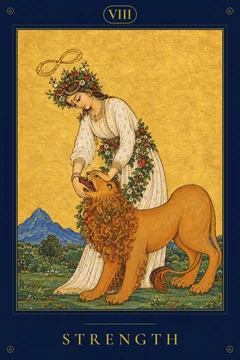
रथ के साथ शक्ति: बल को साधने के दो मार्ग, दिशा से और कोमलता से। काम को सारथी का संकल्प भी चाहिए और स्त्री के खुले हाथ भी।

The Chariot with Strength: two ways of mastering force, by direction and by gentleness. The task needs the driver's will and the woman's open hands.

रथ + तलवारों का दो

रथ के साथ तलवारों का दो: स्फिंक्स इसलिए नहीं चलते क्योंकि सारथी देखना नहीं चाहता। गति माँगने से पहले आँखों की पट्टी उतारिए।

The Chariot with the Two of Swords: the sphinxes will not move because the driver will not look. Take off the blindfold before you ask for speed.

रथ + दंडों का आठ

रथ के साथ दंडों का आठ: दिशा गति से मिलती है। समाचार, यात्रा और परिणाम शीघ्र आते हैं। उस समय योजना के चारों स्तंभ खड़े रखिए।

The Chariot with the Eight of Wands: direction meets speed. News, travel and results arrive quickly; keep the four posts of the plan standing while they do.

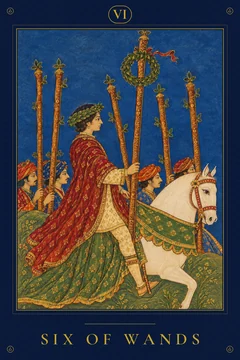
रथ + दंडों का छह

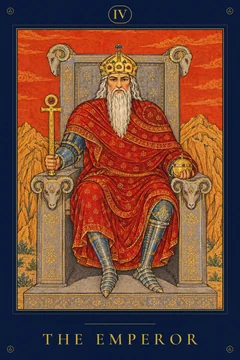
रथ के साथ दंडों का छह: विजय सार्वजनिक है। सारथी ने मार्ग पर जो जीता, नगर अब उसे स्वीकार करता है।

The Chariot with the Six of Wands: the victory is public. What the driver won on the road is now acknowledged in the city.

प्रश्नोत्तर

प्रश्न और उत्तर: रथ

रथ (The Chariot) टैरो कार्ड का क्या अर्थ है?

दिशा के द्वारा विजय। एक मुकुटधारी सारथी पत्थर के रथ में खड़ा है, सामने काला और श्वेत स्फिंक्स विश्राम कर रहे हैं और बीच में कोई लगाम नहीं। उसके जीवन की शक्तियाँ केवल संकल्प से थमी हैं। वेट उसे सभी स्तरों पर विजय और मन की विजय कहते हैं। पाठ में यह नियंत्रण, गति, यात्रा और स्थिरता से अर्जित सफलता लाता है।

Victory through direction. A crowned driver stands in a stone chariot with a black sphinx and a white sphinx at rest before him and no reins between them; the forces of his life are held by will alone. Waite calls him conquest on all planes and triumph in the mind. In a reading it brings control, momentum, travel and success earned by steadiness.

क्या रथ कार्ड हाँ है या ना?

सीधा आने पर हाँ, श्रम के द्वारा: उत्तर आपके पक्ष में है यदि आप एक दिशा में चलाते रहें। उलटा आने पर नहीं, जब तक दिशा अस्पष्ट है। गंतव्य तय कीजिए और फिर पूछिए।

Upright, yes, through effort: the answer favours you if you keep driving in one direction. Reversed, no while the direction is unclear; settle the destination and ask again.

उलटा रथ कार्ड क्या दर्शाता है?

दोनों स्फिंक्स विपरीत खिंचते हुए। या तो नियंत्रण खो गया है, और प्रगति रुकी है, आक्रामकता है, झगड़े विवाद में कठोर हो रहे हैं। या नियंत्रण इतना कसकर थामा है कि सारथी हर तर्क जीतता और मार्ग खोता है। वेट उपद्रव, झगड़ा, विवाद, मुकदमा और पराजय गिनाते हैं। रुकिए, एक गंतव्य तय कीजिए और फिर चलिए।

The two sphinxes pulling apart. Either control is lost, with a stalled advance, aggression and quarrels that harden into disputes, or control is gripped so hard that the driver wins every argument and loses the road. Waite lists riot, quarrel, dispute, litigation and defeat. Stop, name one destination and move again.

प्रेम में और भावना के रूप में रथ कार्ड का क्या अर्थ है?

भावनाओं में यह किसी दृढ़निश्चयी व्यक्ति को दिखाता है: उन्होंने तय कर लिया है कि वे आपको चाहते हैं और उसी ओर बढ़ रहे हैं, कभी-कभी आपकी अपेक्षा से तेज़। संबंध में यह साझा मार्ग या ऐसा निर्णय है जो जोड़े को आगे बढ़ाता है। उलटा आने पर यह सत्ता-संघर्ष है, या विजय की तरह पीछा किया और जीतते ही छोड़ दिया गया स्नेह।

As feelings, someone determined: they have decided they want you and are moving toward it, sometimes faster than you expected. In a relationship it is a shared road or a decision that advances the pair. Reversed, it is a power struggle, or affection pursued as a conquest and set down once won.

रथ पर काले और श्वेत स्फिंक्स का क्या अर्थ है?

जीवन की विरोधी शक्तियाँ, दया और कठोरता, हाँ और ना, एक वाहन में जुती हुईं। वेट कहते हैं कि सारथी ने स्फिंक्स की पहेली का उत्तर दे दिया है और इसलिए लेवी के अनुसरण में दो स्फिंक्स उसका रथ खींचते हैं। वे विश्राम में लेटे हैं और उनके तथा सारथी के बीच कोई लगाम नहीं। उन्हें स्थिर संकल्प चलाता है, और पूरे कार्ड पर कहीं चाबुक नहीं है।

The opposed forces of a life, mercy and severity, yes and no, yoked to one vehicle. Waite says the driver has answered the sphinx's riddle and so two sphinxes draw his chariot, following Lévi. They lie at rest with no reins between them and the driver. A settled will moves them, and no whip appears anywhere on the card.

यह कार्ड निकालिए
देखिए, आपके अपने पाठ में यह कार्ड कहाँ आता है

निःशुल्क, द्विभाषी, प्रतिदिन तीन पाठ।

अपने कार्ड निकालिए
संबंधित कार्ड

स्रोत: A. E. Waite, The Pictorial Key to the Tarot (1910); Golden Dawn attributions (Cheth, Cancer); The 1909 Smith-Waite plate, Pamela Colman Smith