TarotPanditby Pandit Rahul Kaushl
मेजर आर्काना · V
कार्ड › मेजर आर्काना › धर्माचार्य

धर्माचार्य The Hierophant

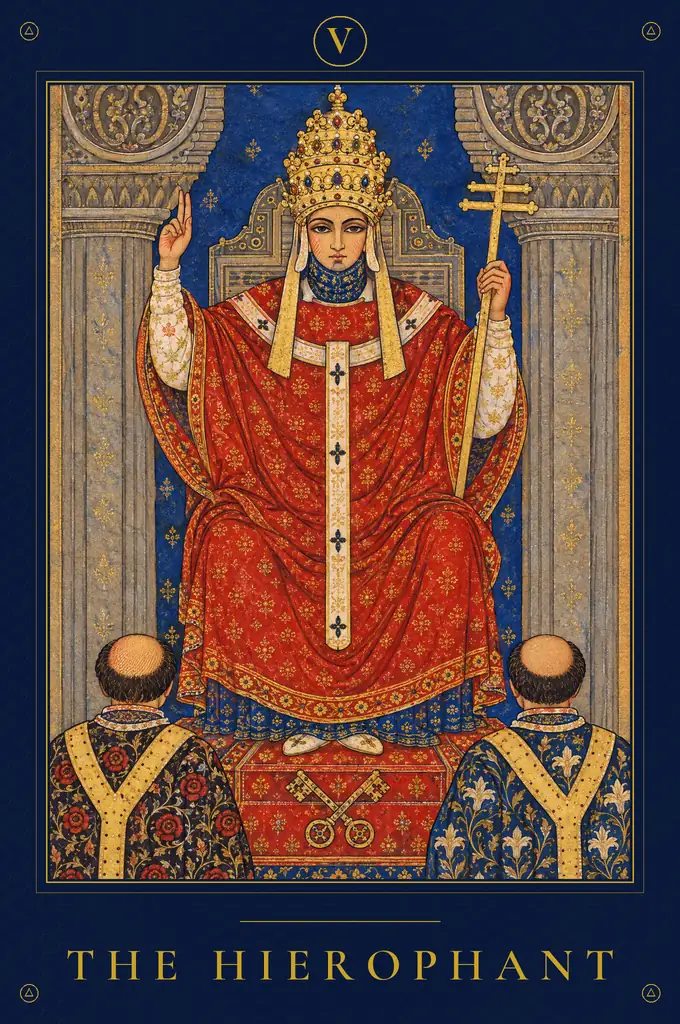
धर्माचार्य (The Hierophant) टैरो कार्ड का अर्थ है वह परंपरा जो सिखाती है: वंश-परंपरा, संस्था और उच्चारित सिद्धांत जो ज्ञान को आगे पहुँचाते हैं। पाँचवाँ कार्ड दो धूसर स्तंभों के बीच लाल वस्त्रों और त्रिमुकुट में एक धर्मगुरु को दिखाता है, दाहिना हाथ आशीर्वाद में उठा, बाएँ हाथ में त्रि-क्रॉस वाला दंड, सामने घुटनों पर दो मुंडित भिक्षु और पाँवों के पास दो आड़ी कुंजियाँ। सीधा आने पर यह मार्गदर्शन, अनुष्ठान और अपनापन है। उलटा आने पर रूढ़ि, या ऐसा गुरु जिससे आप आगे निकल चुके हैं।

The Hierophant tarot card means tradition that teaches: the lineage, the institution and the spoken doctrine that pass knowledge on. Card V shows a pontiff in red robes and a triple crown between two grey pillars, right hand raised in blessing, left hand holding a staff with a triple cross, two tonsured monks kneeling before him and two crossed keys at his feet. Upright it is guidance, ceremony and belonging; reversed, dogma or a teacher outgrown.

अंक Vतत्व पृथ्वीज्योतिष वृषभ (गोल्डन डॉन); स्वामी शुक्रहिब्रू अक्षर वावहाँ या ना हाँ, उचित माध्यम से
The Hierophant, TarotPandit deck
8 में से 1 · धर्माचार्य स्वयं

कार्ड पर कोई अंक छुइए, या किसी प्रतीक की व्याख्या खोलिए। TarotPandit डेक 1909 की रचना को ज्यों का त्यों रखता है, भारतीय लघुचित्र शैली में।

कार्ड, प्रतीक-दर-प्रतीक
यह क्या हैWhat it is

ऊँचे सिंहासन पर सामने की ओर मुख किए बैठा एक धर्मगुरु, मुख शांत और सममित, मुकुट की श्वेत पट्टियों से घिरा, नीले गले-पट्टे सहित श्वेत पर लाल वस्त्र। वेट: उसे प्रायः पोप कहा गया है, जो उस व्यापकतर पद का एक विशेष प्रयोग है जिसका वह प्रतीक है।

A pontiff seated frontally on a raised throne, face calm and symmetrical, framed by the white lappets of his crown, dressed in red over white with a blue collar. Waite: he has been usually called the Pope, which is a particular application of the more general office that he symbolizes.

यह क्या दर्शाता हैWhat it denotes

शिक्षक के रूप में परंपरा। वेट उसे बाह्य धर्म की शासक शक्ति कहते हैं, जैसे उच्च पुजारिन गूढ़, अंतर्मुखी शक्ति की अधिष्ठात्री है, और संस्था के संसार से संबंधित कृपा का माध्यम, प्रकृति के संसार से भिन्न। वह वंश-परंपरा है: गुरु, पुरोहित, पाठशाला, अनुष्ठान, हर वह संरचना जिसके माध्यम से ज्ञान उन लोगों तक पहुँचता है जिन्होंने उसे स्वयं नहीं खोजा।

Tradition as teacher. Waite calls him the ruling power of external religion, as the High Priestess is the prevailing genius of the esoteric, withdrawn power, and the channel of grace belonging to the world of institution as distinct from that of Nature. He is the lineage: the guru, the priest, the school, the ceremony, every structure through which knowledge reaches people who did not discover it themselves.

नामThe name

हायरोफ़ैंट उस पुरोहित की यूनानी उपाधि है जो एल्यूसिस के रहस्यों में पवित्र वस्तुएँ दिखाता था: वह जो प्रकट करता है। वेट ने इसे पोप के स्थान पर चुना ताकि कार्ड किसी एक धर्म-संस्था से मुक्त हो। प्रश्नकर्ता जो भी आस्था रखे, यह कार्ड उसका शिक्षक है।

Hierophant is the Greek title of the priest who showed the sacred objects at the Eleusinian mysteries: the one who reveals. Waite chose it over Pope to free the card from one church. Whatever faith the querent holds, this card is its teacher.

स्रोतSource

ए. ई. वेट, द पिक्टोरियल की टु द टैरो, 1910। गोल्डन डॉन: धर्माचार्य को वाव अक्षर और वृष राशि से जोड़ा गया।

A. E. Waite, The Pictorial Key to the Tarot, 1910. Golden Dawn: the Hierophant attributed to Vav and Taurus.

पाठ-संकेतReading tip

सीधा: ऐसा गुरु, संस्था या परंपरा जो ठीक ढंग से पहुँचने पर सहायता करेगी। उलटा: वही संस्था वहाँ आज्ञाकारिता माँगती हुई जहाँ उसे समझ देनी चाहिए। पता कीजिए कि प्रश्नकर्ता सीख रहा है या केवल अनुपालन कर रहा है।

Upright: a teacher, an institution or a tradition that will help if approached properly. Reversed: the same institution asking for obedience where it ought to be offering understanding. Find out whether the querent is learning or merely complying.
यह क्या हैWhat it is

तीन स्तरों में बना ऊँचा स्वर्ण मुकुट, हर स्तर रत्नजड़ित और शीर्ष पर छोटा क्रॉस, मुख के दोनों ओर उससे लटकती दो श्वेत पट्टियाँ। वेट: वह त्रिमुकुट पहनता है।

A tall golden crown built in three tiers, each set with jewels and topped with a small cross, with two white bands hanging from it on either side of the face. Waite: he wears the triple crown.

यह क्या दर्शाता हैWhat it denotes

तीन लोकों पर अधिकार, जिन्हें परंपरा विभिन्न नाम देती है: देह, मन और आत्मा, या पृथ्वी, स्वर्ग और पाताल, या किसी भी दीक्षा के तीन स्तर। मुकुट उसके हाथ के क्रॉस की तीन पट्टियों और उसके वस्त्र के तीन क्रॉसों को दोहराता है। इस कार्ड की शिक्षा की संख्या तीन है, और उसे पाँच संख्या वाली आकृति सिखाती है।

Authority over three worlds, which the tradition names variously: body, mind and spirit; earth, heaven and the underworld; the three degrees of any initiation. The crown repeats the three bars of the cross in his hand and the three crosses on his robe: the number of this card's teaching is three, taught by a figure numbered five.

रंगThe colour

स्वर्ण, बाहरी पवित्र-स्थल का रंग। पुजारिन का मुकुट रजत और चंद्र था। जहाँ वह परावर्तित करती है, यह घोषणा करता है।

Gold, the colour of the outer sanctuary; the Priestess's crown was silver and lunar. Where she reflects, he declares.

स्रोतSource

पिक्टोरियल की, 1910 ("वह त्रिमुकुट पहनता है")।

Pictorial Key, 1910 ("he wears the triple crown").

पाठ-संकेतReading tip

करियर के स्थान पर मुकुट एक प्रमाण-पत्र है: उपाधि, दीक्षा, अनुज्ञप्ति, ऐसी औपचारिक योग्यता जिसे संसार मान्यता देता है। उलटा होने पर प्रमाण-पत्र का प्रयोग दक्षता के स्थान पर किया जा रहा है।

In a career position, the crown is a credential: a degree, an ordination, a licence, a formal qualification that the world recognises. Reversed, the credential is being used in place of competence.

यह क्या हैWhat it is

दाहिना हाथ कंधे के पास उठा है, पहली दो उँगलियाँ ऊपर की ओर फैली और शेष दो अँगूठे सहित हथेली में मुड़ी हुई। वेट: दाहिने हाथ से वह वह सुपरिचित धार्मिक संकेत करता है जिसे गूढ़वाद का संकेत कहा जाता है।

The right hand is raised beside the shoulder, the first two fingers extended upward and the other two folded into the palm with the thumb. Waite: with his right hand he gives the well-known ecclesiastical sign which is called that of esotericism.

यह क्या दर्शाता हैWhat it denotes

जो खुले में सिखाया जाता है और जो रखा जाता है, उनके बीच का भेद। वेट कहते हैं कि यह संकेत सिद्धांत के प्रकट और गुप्त अंशों के बीच भेद करता है: दो उँगलियाँ दिखती हुई, दो छिपी हुई। हर सच्चा शिक्षक यही करता है। सब कुछ सबसे एक साथ नहीं कहा जा सकता, और यह भंगिमा इस विषय में ईमानदार है। वेट यह भी लिखते हैं कि उच्च पुजारिन कोई संकेत नहीं करती, जबकि धर्माचार्य का पूरा पद ही संकेत करना है।

The distinction between what is taught openly and what is kept. Waite says the sign distinguishes between the manifest and concealed part of doctrine: two fingers shown, two hidden. Every real teacher does this. Not everything can be said to everyone at once, and the gesture is honest about it. Waite also notes that the High Priestess makes no sign at all; the Hierophant's whole office is signing.

स्रोतSource

पिक्टोरियल की, 1910 ("सिद्धांत के प्रकट और गुप्त अंशों के बीच भेद करता हुआ")।

Pictorial Key, 1910 ("distinguishing between the manifest and concealed part of doctrine").

पाठ-संकेतReading tip

यदि प्रश्नकर्ता पूछे कि किसी गुरु पर विश्वास करें या नहीं, तो उठा हुआ हाथ देखिए: अच्छा गुरु दो उँगलियाँ दिखाता है और स्वीकार करता है कि शेष दो भी हैं। जो सब कुछ दिखाने का दावा करे, या कुछ भी दिखाने से इनकार करे, वह किसी और कार्ड का व्यक्ति है।

If the querent asks whether to trust a teacher, look at the raised hand: a good teacher shows two fingers and admits the other two exist. Someone who claims to show everything, or refuses to show anything, belongs to a different card.

यह क्या हैWhat it is

बाएँ हाथ से एक लंबा स्वर्ण दंड उठता है, जो घटती लंबाई की तीन क्षैतिज पट्टियों वाले क्रॉस में समाप्त होता है। वेट: बाएँ हाथ में वह त्रि-क्रॉस में समाप्त होने वाला राजदंड थामे है।

A long golden staff rises from the left hand, ending in a cross with three horizontal bars of decreasing length. Waite: in his left hand he holds a sceptre terminating in the triple cross.

यह क्या दर्शाता हैWhat it denotes

पोप का क्रॉस, पश्चिमी धर्म-संस्था के सर्वोच्च पद का चिह्न, और व्यापक अर्थ में वे तीन लोक जिन्हें मुकुट भी नाम देता है, अब उपकरण की तरह थामे हुए। जहाँ सम्राट का राजदंड अंख था, जीवन, धर्माचार्य का क्रॉस है, सिद्धांत: स्वयं शिक्षा का आकार, उस हाथ में जो ग्रहण करता है।

The papal cross, the sign of the highest office in the Western church, and more broadly the three worlds the crown also names, now held as an instrument. Where the Emperor's sceptre was an ankh, life, the Hierophant's is a cross, doctrine: the shape of the teaching itself, carried in the hand that receives.

बायाँ हाथLeft hand

ग्रहणशील पक्ष। धर्माचार्य ने शिक्षा का आविष्कार नहीं किया। उसने उसे प्राप्त किया, और उसे उसी हाथ में थामे है जो ग्रहण करता है। उसका दाहिना हाथ, सक्रिय पक्ष, आशीर्वाद के लिए मुक्त है। क्रम महत्वपूर्ण है: पहले परंपरा को भीतर लीजिए, फिर उसे बाहर दीजिए।

The receptive side. The Hierophant did not invent the teaching; he received it, and holds it in the hand that receives. His right hand, the active side, is free to bless. The order matters: first take the tradition in, then give it out.

स्रोतSource

पिक्टोरियल की, 1910 ("त्रि-क्रॉस में समाप्त होने वाला राजदंड")।

Pictorial Key, 1910 ("a sceptre terminating in the triple cross").

पाठ-संकेतReading tip

जब प्रश्न किसी औपचारिक वचनबद्धता का हो, तो क्रॉस वह संरचना है जो उसे थामेगी: व्रत, अनुबंध, शपथ, पाठ्यक्रम। उलटा होने पर संरचना दिखावे के लिए उठाई गई है और उसके पीछे की शिक्षा मौन हो गई है।

When the question concerns a formal commitment, the cross is the structure that will hold it: vows, a contract, an oath, a syllabus. Reversed, the structure is held up for show and the teaching behind it has gone quiet.

यह क्या हैWhat it is

स्वर्ण-अंकित पूरा लाल वस्त्र कंधों से घुटनों पर होकर पाँवों तक गिरता है। उसके मध्य में तीन गहरे क्रॉसों वाली श्वेत पट्टी है, कंधों पर और क्रॉसों वाला श्वेत गला-पट्टा है, और गले पर नीली पट्टी। पाँव, क्रॉस-अंकित श्वेत जूतों में, लाल क़ालीन पर टिके हैं।

A full red robe patterned with gold falls from the shoulders over the knees to the feet. Down its centre runs a white band marked with three dark crosses, and the shoulders carry a white collar with further crosses; at the throat is a band of blue. The feet, in white shoes marked with crosses, rest on a red carpet.

यह क्या दर्शाता हैWhat it denotes

पहले तीन मेजर कार्डों के तीन रंग एक ही देह पर एकत्र: जादूगर की इच्छा के लिए लाल, पुजारिन की शुद्धता के लिए श्वेत, उसके जल के लिए नीला। धर्माचार्य उस पूरी वंश-परंपरा को पहनता है जो उससे पहले आती है। पट्टी के तीन क्रॉस प्रायः तीन कीलें माने जाते हैं, शिक्षा की कीमत। इस वस्त्र पर वे पद के चिह्न हैं।

The three colours of the first three Majors gathered on one body: red for the Magician's will, white for the Priestess's purity, blue for her waters. The Hierophant wears the whole lineage that precedes him. The three crosses on the band are often read as the three nails, the cost of the teaching. On this robe they mark an office.

रंगThe colours

फिर श्वेत पर लाल, जैसे जादूगर पर, पर अब औपचारिक और बैठकर पहना हुआ: प्राप्त विधान की सेवा में इच्छा।

Red over white again, as on the Magician, but formal now and worn seated: will in the service of a received law.

स्रोतSource

पिक्टोरियल की, 1910, कार्ड का विवरण। रंगों का अर्थ 1909 की छपाई पर आधारित है।

Pictorial Key, 1910, description of the plate; the colour reading follows the 1909 printing.

पाठ-संकेतReading tip

स्व के स्थान पर वस्त्र कहता है कि प्रश्नकर्ता दूसरों द्वारा दी गई भूमिका पहने है और उसे भली प्रकार निभा रहा है। उलटा होने पर भूमिका वेश बन गई है। पूछिए कि उसके नीचे उनका अपना क्या है।

In the self position, the robe says the querent is wearing a role given by others and wearing it well. Reversed, the role has become a costume; ask what of their own is underneath.

यह क्या हैWhat it is

उत्कीर्ण शीर्षों वाले दो ऊँचे धूसर पत्थर के स्तंभ सिंहासन को घेरते हैं, कार्ड के हर किनारे पर एक। दोनों एक ही रंग और एक ही बनावट के हैं, और उन पर कोई अक्षर नहीं। वेट लिखते हैं कि वह दो स्तंभों के बीच बैठा है, पर ये उस मंदिर के स्तंभ नहीं जिसकी रक्षा उच्च पुजारिन करती है।

Two tall grey stone pillars with carved capitals frame the throne, one at each edge of the card. They are the same colour and the same design, with no letters on them. Waite: he is seated between two pillars, but they are not those of the Temple which is guarded by the High Priestess.

यह क्या दर्शाता हैWhat it denotes

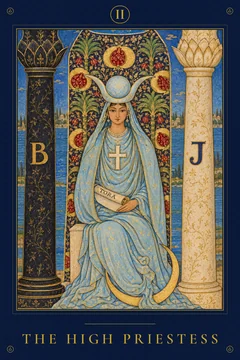
बाहरी मंदिर। पुजारिन काले और श्वेत, B और J, गुप्त विधान के अनसुलझे ध्रुवों के बीच बैठती है। धर्माचार्य दो समान स्तंभों के बीच बैठता है, क्योंकि बाहरी शिक्षा ने विरोधाभास को ऐसे रूप में सुलझा लिया है जिसे सिखाया जा सके। 1909 की योजना में धूसर विवेक का रंग है। स्तंभ परंपरा के दो आधार हैं, विधि और पालन, जो एक ऐसी छत थामे हैं जिसके नीचे लोग खड़े हो सकें।

The outer temple. The Priestess sits between black and white, B and J, the unresolved poles of the hidden law. The Hierophant sits between two pillars that match, because the outer teaching has resolved the paradox into a form that can be taught. Grey is the colour of wisdom in the 1909 scheme; the pillars are the tradition's two supports, law and observance, holding up a roof the people can stand under.

रंगThe colour

धूसर, सम्राट के सिंहासन की तरह: जहाँ वस्त्र चटक है, संरचना संयत है।

Grey, like the Emperor's throne: the structure is sober where the robe is bright.

स्रोतSource

पिक्टोरियल की, 1910 ("वे उस मंदिर के स्तंभ नहीं जिसकी रक्षा उच्च पुजारिन करती है")।

Pictorial Key, 1910 ("they are not those of the Temple which is guarded by the High Priestess").

पाठ-संकेतReading tip

यदि प्रश्नकर्ता औपचारिक मार्ग और निजी मार्ग के बीच चुन रहा हो, तो स्तंभ औपचारिक मार्ग हैं: मान्यता-प्राप्त पाठ्यक्रम, स्वीकृत विवाह, प्रत्यायित संस्था। उलटा होने पर स्तंभ कुछ भी नहीं थामे हैं। संस्था ने अपना रूप रखा है और उद्देश्य खो दिया है।

If the querent is choosing between a formal path and a private one, the pillars are the formal path: a recognised course, a sanctioned marriage, an accredited institution. Reversed, the pillars are holding up nothing; the institution has kept its form and lost its purpose.

यह क्या हैWhat it is

दो भिक्षु सिंहासन के पाँव के पास दर्शक की ओर पीठ किए घुटनों पर हैं, सिर मुंडित। बाईं ओर वाला लाल गुलाबों से अंकित गहरा वस्त्र और स्वर्णिम Y-आकार की पट्टी पहने है, और दाहिनी ओर वाला श्वेत कुमुदिनियों से अंकित नीला वस्त्र और वही पट्टी। वेट लिखते हैं कि दो पुरोहित सेवक श्वेत वस्त्रों में उसके सामने घुटने टेके हैं।

Two monks kneel at the foot of the throne with their backs to the viewer, heads shaved in the tonsure. The one on the left wears a dark robe patterned with red roses and a gold Y-shaped band; the one on the right wears blue patterned with white lilies and the same band. Waite: two priestly ministers in albs kneel before him.

यह क्या दर्शाता हैWhat it denotes

शिष्य, अर्थात प्रश्नकर्ता। कार्ड वहीं से देखा गया है जहाँ वे घुटने टेके हैं: दर्शक सभा की पिछली पंक्ति में सम्मिलित होता है। गुलाब और कुमुदिनी जादूगर के फूल हैं, इच्छा और शुद्ध विचार, अब दो ऐसे लोगों द्वारा पहने हुए जो यह सीखने आए हैं कि उन्हें कैसे सँवारा जाए। शिक्षा तभी वास्तविक है जब कोई उसे ग्रहण करे, और भिक्षु ही कार्ड को पूर्ण करते हैं।

The students, which is to say the querent. The card is seen from where they kneel: the viewer joins the back of the congregation. Roses and lilies are the Magician's flowers, desire and pure thought, now worn by two people who have come to be taught how to cultivate them. A teaching is only real when someone receives it; the monks complete the card.

मुंडनThe tonsure

मुंडित शीर्ष व्रत का चिह्न है: अपनापन पाने के लिए कुछ त्यागा हुआ। अपनेपन की एक कीमत है, और कार्ड इस विषय में ईमानदार है। वेट की भविष्यकथन-सूची में गठबंधन और दासता दोनों हैं, और भिक्षु दोनों धारण करते हैं।

The shaved crown is the sign of a vow: something given up in order to belong. Belonging has a price, and the card is honest about it. Waite's divinatory list includes both alliance and servitude, and the monks carry both.

स्रोतSource

पिक्टोरियल की, 1910 (दो पुरोहित सेवक श्वेत वस्त्रों में उसके सामने घुटने टेके हैं)। गुलाब और कुमुदिनी वाले वस्त्र 1909 की छपाई का अनुसरण करते हैं।

Pictorial Key, 1910 ("two priestly ministers in albs kneel before him"); the rose and lily robes follow the 1909 printing.

पाठ-संकेतReading tip

प्रश्नकर्ता से पूछिए कि वे कौन-से भिक्षु हैं: जो इच्छा के लिए आया या जो समझ के लिए। उलटा होने पर भिक्षुओं ने सुनना बंद कर दिया है और आदत से घुटने टेके हैं। उठने का, या नया गुरु खोजने का समय है।

Ask the querent which monk they are: the one who came for desire or the one who came for understanding. Reversed, the monks have stopped listening and are kneeling from habit; it is time to stand up or to find a new teacher.

यह क्या हैWhat it is

सिंहासन के पाँव की लाल सीढ़ी पर, दोनों भिक्षुओं के बीच, दो बड़ी स्वर्ण कुंजियाँ एक-दूसरे पर आड़ी पड़ी हैं, मूठ बाहर की ओर और दाँते मिलते हुए। वेट: उसके पाँवों में आड़ी कुंजियाँ हैं।

On the red step at the foot of the throne, between the two monks, lie two large golden keys crossed over one another, their bows outward and their wards meeting. Waite: at his feet are the crossed keys.

यह क्या दर्शाता हैWhat it denotes

कुंजियों का अधिकार: खोलने और बंद करने का, प्रवेश देने और बाँधने का। वेट उस पुराने अर्थ को स्वीकार करते हैं कि कुंजियाँ धर्माचार्य के पद का चिह्न हैं, बाह्य रूढ़ सिद्धांत, और उस जीवन का बाहरी पक्ष जो सिद्धांत तक ले जाता है। दो कुंजियाँ, क्योंकि हर शिक्षा में एक बाहरी ताला है और एक भीतरी, और जो परंपरा पहला खोलती है वही दूसरा भी खोल सकती है यदि शिष्य टिका रहे। वे सीढ़ी पर पड़ी हैं। कुंजियाँ पद की हैं, और उस आसन पर बैठने वाला हर व्यक्ति उन्हें कुछ समय के लिए ही थामता है।

The authority of the keys: to open and to close, to admit and to bind. Waite accepts the older reading that the keys stand for the Hierophant's office, exoteric orthodox doctrine, and the outer side of the life which leads to the doctrine. Two keys, because every teaching has an outer lock and an inner one, and the same tradition that opens the first can open the second if the student stays. They lie on the step. The keys belong to the office, and any man who sits there only holds them for a time.

रंगThe colour

लाल पर स्वर्ण: प्रवेश का साधन इच्छा के क़ालीन पर रखा हुआ, हर उस व्यक्ति की पहुँच में जो घुटने टेके।

Gold on red: the means of entry laid on the carpet of will, in reach of anyone who kneels.

स्रोतSource

पिक्टोरियल की, 1910 (उसके पाँवों में आड़ी कुंजियाँ, और कुंजियाँ धर्माचार्य के पद के चिह्न के रूप में)।

Pictorial Key, 1910 (the crossed keys at his feet, and the keys as the Hierophant's office).

पाठ-संकेतReading tip

परिणाम के स्थान पर कुंजियाँ कहती हैं कि प्रवेश उचित माध्यम से मिलेगा: आवेदन, दीक्षा, औपचारिक निवेदन। उलटा होने पर कुंजियाँ दबाव बनाने के लिए रोकी जा रही हैं। स्पष्ट पूछिए कि उन्हें कौन थामे है और द्वार वास्तव में क्या माँगता है।

In the outcome position, the keys say that access will be granted through the proper channel: the application, the initiation, the formal request. Reversed, the keys are being withheld as a lever. Ask plainly who holds them and what the door actually requires.

मुख्य बातें
  • धर्माचार्य की संख्या पाँच है क्योंकि पाँच मानवीय संख्या है: चार तत्व और वह आत्मा जो उन्हें सिखाती है, आशीर्वाद में उठा पाँच उँगलियों वाला हाथ।The Hierophant is numbered V because five is the human number: four elements and the spirit that teaches them, the hand with its five fingers raised in blessing.
  • मुकुट से पहले भिक्षुओं को देखिए। प्रश्नकर्ता को क्या सिखाया जा रहा है, और कौन सिखा रहा है? क्या वे अब भी सीख रहे हैं, या केवल घुटने टेके हैं?Read the monks before the crown. What is the querent being taught, and by whom? Are they still learning, or only kneeling?
  • सीधा: एक गुरु, एक परंपरा, एक ऐसा अनुष्ठान जो बाँधता है। उलटा: वही परंपरा रूढ़ि में जमी हुई, या ऐसी वंश-परंपरा जिससे प्रश्नकर्ता आगे निकल चुका और जिसे सम्मान सहित छोड़ना है।Upright: a teacher, a tradition, a ceremony that binds. Reversed: the same tradition hardened into dogma, or a lineage the querent has outgrown and must leave with respect.
  • धर्माचार्य के दो स्तंभ उच्च पुजारिन के B और J का उत्तर हैं: उसके भीतरी मंदिर की रक्षा करते हैं, इसके बाहरी मंदिर को घेरते हैं, और वेट आग्रह करते हैं कि वे एक ही स्तंभ नहीं हैं।The Hierophant's two pillars answer the High Priestess's B and J: hers guard the inner temple, his frame the outer one, and Waite insists they are not the same pillars.
मुख्य शब्द

सीधा: परंपरा, शिक्षण, संस्था, अनुष्ठान, अपनापन

उलटा: रूढ़ि, अनुरूपता, पीछे छूटा गुरु, खाली अनुष्ठान, बिना मार्ग का विद्रोह

सौंपा हुआ ज्ञान। वह जो गुप्त विधान और लोगों के बीच खड़ा है, उसे ऐसे शब्दों में कहता है जिन्हें वे सँभाल सकें, और उस द्वार की कुंजियाँ थामे है जिसे उसने नहीं बनाया।

Knowledge handed down. The one who stands between the hidden law and the people, speaks it in words they can keep, and holds the keys to the door he did not build.

जीवन के पाँच क्षेत्रों में

आपके जीवन में धर्माचार्य

जब प्रश्न धन, विवाह, काम, शरीर या स्वयं जीवन-पथ का हो, तब यह कार्ड क्या कहता है। धन सबके लिए खुला है; शेष चार प्रीमियम के लिए हैं।

What this card says when the question is about money, marriage, work, the body, or the road itself. Finance is open to everyone; the other four belong to Premium.

त्वरित उत्तरQuick answer
हाँ, उचित माध्यम सेउलटा: सामान्य मार्ग से नहीं, पहले नियम पर प्रश्न कीजिए
अंकThe number
5 · पंचमानवीय संख्या: चार तत्व और पाँचवाँ जो उन्हें सिखाता है, आशीर्वाद में उठे हाथ की पाँच उँगलियाँ। पाँच वहाँ है जहाँ वर्ग खुलता है और कुछ आगे सौंपा जाता है।
जन्म-तिथि
Is this your birth card?">
जाँच निःशुल्क है। प्रीमियम आपका जन्म-कार्ड और वर्ष-कार्ड प्रोफ़ाइल सहेजता है।
₹धनFinanceनिःशुल्क नमूना
सीधाUpright

रूढ़िवादी ढंग से और नियमानुसार सँभाला गया धन। धर्माचार्य चतुर योजना से अधिक स्थापित संस्था को वरीयता देता है: सुनी-सुनाई बात से अधिक बैंक को, आत्मविश्वासी मित्र से अधिक योग्य सलाहकार को, पेंशन, न्यास, और वह पारिवारिक व्यवस्था जो एक पीढ़ी से काम कर रही है। किसी संस्था से जुड़े अनुदान, वृत्तियाँ, छात्रवृत्तियाँ और वेतन शुभ स्थिति में हैं। पेशेवर सलाह लीजिए और उसका पालन कीजिए। बचत के नए ढंग किसी और ऋतु के लिए रखिए।

Money handled conservatively and by the book. The Hierophant favours the established institution over the clever scheme: the bank over the tip, the qualified adviser over the confident friend, the pension, the trust, the family arrangement that has worked for a generation. Grants, stipends, scholarships and salaries tied to an institution are well aspected. Take professional advice and follow it. New ways of saving can wait for another season.

उलटाReversed

ऐसे प्रमाण-पत्र के लिए दिया गया शुल्क जो कुछ नहीं सिखाता, आपके अपने विवेक के विरुद्ध पारिवारिक रीति से चलने वाला धन, या ऐसी सलाह जिसका पालन केवल इसलिए हुआ कि किसने दी। सलाह लिखित में लीजिए और उसे ऐसे पढ़िए मानो किसी अपरिचित ने लिखी हो।

Fees paid for a credential that teaches nothing, money ruled by family custom against your own judgement, or advice followed because of who gave it. Get the advice in writing and read it as if a stranger had written it.

बचिएAvoid

संस्था जो सिखाती है उसके बजाय उसके नाम के लिए भुगतान करना।

Paying for the name of an institution instead of what it teaches.

इसके स्थान परTry instead

इस महीने किसी योग्य वित्तीय सलाहकार के साथ एक घंटा तय कीजिए और लिखे हुए प्रश्न साथ ले जाइए।

Book one hour with a qualified financial adviser this month and bring written questions.

❖वैवाहिक जीवन और संबंधMarried life and relationshipsप्रीमियम
सीधाUpright

स्वयं विवाह का कार्ड, और वेट का पहला भविष्यकथन-शब्द।

The card of marriage; Waite's first divinatory word.

प्रीमियम से खोलिए
◈व्यवसाय और करियरBusiness and careerप्रीमियम
सीधाUpright

ऐसा काम जो ज्ञान आगे पहुँचाता है, या जिसमें प्रवेश मान्यता-प्राप्त द्वार से होता है: शिक्षण, विद्वत्-जगत, विधि, चिकित्सा, पौरोहित्य, परामर्श, मानव-संसाधन, हर वह व्यवसाय जिसमें परीक्षा, संहिता और पदानुक्रम हो।

Work that passes knowledge on, or work entered through a recognised gate: teaching, academia, law, medicine, the priesthood, counselling, human resources, any profession with an examination, a code and a hierarchy.

प्रीमियम से खोलिए
✚स्वास्थ्यHealthप्रीमियम
सीधाUpright

ध्यान गले, गर्दन और स्वर की ओर जाता है, वह क्षेत्र जिस पर वृष का शासन है, और उन स्थिर दैहिक लयों की ओर जिन्हें यह राशि अनुकूल मानती है: नियमित भोजन, नियमित निद्रा, निभाई गई दिनचर्या।

Attention goes to the throat, neck and voice, the region Taurus governs, and to the steady bodily rhythms that sign favours: regular meals, regular sleep, a routine kept.

टैरो ध्यान दिलाता है, निदान नहीं करता। किसी भी लक्षण के लिए योग्य चिकित्सक से मिलिए।

प्रीमियम से खोलिए
☉जीवन-पथThe life pathप्रीमियम
सीधाUpright

शिष्यत्व की ऋतु। जो आप जानना चाहते हैं वह अकेले नहीं मिल सकता।

A season of apprenticeship. Something you want to know cannot be found alone; it has to be received from someone who received it, and that teacher, school or lineage is within reach.

प्रीमियम से खोलिए
प्रीमियम
सभी 78 कार्डों पर पाँचों क्षेत्र

असीमित पाठ, हर कार्ड के नीचे पाँचों क्षेत्र, आपका जन्म-कार्ड और वर्ष-कार्ड प्रोफ़ाइल, पाठ-इतिहास, हर पाठ की सीलबंद PDF और व्हाट्सऐप पर दैनिक कार्ड।

₹299
प्रति माह, या ₹1,999 प्रति वर्षप्रीमियम खोलिए
सीधा

धर्माचार्य: सीधा अर्थ

लाल वस्त्र और त्रिमुकुट पहने एक धर्मगुरु दो धूसर स्तंभों के बीच बैठा है, एक हाथ आशीर्वाद में उठा है, सामने दो मुंडित भिक्षु घुटने टेके हैं और पाँवों के पास दो आड़ी कुंजियाँ पड़ी हैं। सीधा आने पर धर्माचार्य वह परंपरा है जो सिखाती है। एक वंश-परंपरा, एक संस्था, एक योग्य मार्गदर्शक या एक अनुष्ठान आपके लिए उपलब्ध है, और यदि आप शिष्य बनकर उसके पास जाएँ तो वह आपकी सेवा करेगा। वेट के भविष्यकथन-अर्थ हैं विवाह, गठबंधन, बंधन, दासता, एक अन्य मत के अनुसार दया और भलाई, प्रेरणा, और वह पुरुष जिसके पास प्रश्नकर्ता शरण लेता है: वह व्यक्ति जिसके पास आप तब जाते हैं जब आपको वज़नदार परामर्श चाहिए। औपचारिक शिक्षा, व्रत, और स्वयं से बड़ी किसी वस्तु से जुड़कर उसके रूपों को स्वीकार करना, सब इसी कार्ड के विषय हैं। काम स्थापित ढंग से कीजिए: मान्यता-प्राप्त पाठ्यक्रम, उचित अनुष्ठान, वरिष्ठ की सलाह। एक ऋतु घुटने टेकिए। परंपरा को इतना अच्छा सीखिए कि एक दिन आप उसे सिखा सकें।

A priest in red robes and a triple crown sits between two grey pillars, one hand raised in blessing, while two tonsured monks kneel before him and two crossed keys lie at his feet. The Hierophant upright is tradition that teaches. A lineage, an institution, a qualified guide or a ceremony is available to you, and it will serve if you come to it as a student. Waite's divinatory meanings are marriage, alliance, captivity, servitude, by another account mercy and goodness, inspiration, and the man to whom the querent has recourse: the person you go to when you need counsel that carries weight. Here belong formal learning, vows, and belonging to something larger than yourself and accepting its forms. Do things the established way: the recognised course, the proper ritual, the advice of the elder. Kneel for a season. Learn the tradition well enough that one day you may teach it.

उलटा

धर्माचार्य: उलटा अर्थ

कार्ड उलटा हो तो वह परंपरा दिखती है जिसने सिखाना बंद कर दिया। वेट की उलटी सूची कोमल है, समाज, अच्छी समझ, सामंजस्य, अति-दयालुता, दुर्बलता: ऐसी संस्था जो इतनी नरम हो गई कि किसी को सुधार न सके, या अपने रूपों पर इतनी मोहित कि यह न देख सके कि वे खाली हो चुके हैं। व्यवहार में यह दो में से एक बात दिखाता है। या तो प्रश्नकर्ता किसी ऐसी संरचना के भीतर है, पाठशाला, आस्था, पारिवारिक नियम, जो आज्ञाकारिता माँगती है और अब समझ नहीं देती, या प्रश्नकर्ता किसी गुरु से आगे निकल चुका है और अब भी आदत से घुटने टेके है। परंपरा को उसके दिए के लिए धन्यवाद दीजिए, स्पष्ट कहिए कि वह अब क्या नहीं दे सकती, और या तो खुली आँखों से व्रत नवीकृत कीजिए या उठकर अगले गुरु की खोज में निकलिए। सम्मान के साथ विदा लेना भी शिक्षा का ही भाग है।

Inverted, the card shows a tradition that has stopped teaching. Waite's reversed list is gentle, society, good understanding, concord, overkindness, weakness: an institution grown too soft to correct anyone, or too fond of its own forms to notice they have emptied. In practice it shows one of two things. Either the querent is inside a structure, a school, a faith, a family rule, that asks for obedience and no longer offers understanding, or the querent has outgrown a teacher and is still kneeling from habit. Thank the tradition for what it gave, name plainly what it can no longer give, and either renew the vow with open eyes or stand up and go looking for the next teacher. A respectful leaving is part of the teaching too.

स्थान के अनुसार

प्रश्न के अनुसार धर्माचार्य

प्रेमLove

अनुष्ठान सहित वचनबद्धता: सगाई, विवाह, परिवारों द्वारा आशीर्वादित और रीति से निभाया संबंध। कार्ड के लिए वेट का पहला शब्द विवाह है। उलटा: केवल रूढ़ि से जुड़ा मिलन, या ऐसे बंधन पर दबाव डालते पारिवारिक नियम जिसे स्थान चाहिए। पूछिए कि आप दोनों वास्तव में क्या मानते हैं।

Commitment with ceremony: an engagement, a marriage, a relationship blessed by families and conducted by the forms. Waite's first word for the card is marriage. Reversed: a union held together by convention alone, or family rules pressing on a bond that needs room. Ask what the two of you actually believe.

करियरCareer

शिक्षण, पौरोहित्य और परामर्श, विधि, विद्वत्-जगत, चिकित्सा, हर वह व्यवसाय जिसमें परीक्षा से प्रवेश हो और जो किसी संहिता से चलता हो, और द्वार खोलने वाला मार्गदर्शक। इस ऋतु काम मान्यता-प्राप्त ढंग से कीजिए। उलटा: ऐसी संस्था जो दक्षता से अधिक अनुरूपता को पुरस्कृत करती है, या ऐसा मार्गदर्शक जिससे आप आगे निकल चुके हैं। नियम सीखिए, फिर खोजिए कि वे कहाँ समाप्त होते हैं।

Teaching, the priesthood and counsel, law, academia, medicine, any profession entered by examination and governed by a code; a mentor who opens doors. Do it the recognised way this season. Reversed: an institution that rewards conformity over competence, or a mentor outgrown. Learn the rules, then find where they end.

धनMoney

रूढ़िवादी और पारंपरिक: बैंक, न्यास, पारिवारिक व्यवस्था, और सुनी-सुनाई बात के स्थान पर किसी योग्य पेशेवर की सलाह। किसी संस्था से जुड़ा धन, पेंशन, अनुदान, वृत्ति। उलटा: ऐसे प्रमाण-पत्र के लिए दिया शुल्क जो कुछ नहीं सिखाता, या आपके अपने विवेक के विरुद्ध पारिवारिक रीति से चलने वाला धन। सलाह लिखित में लीजिए।

Conservative and conventional: the bank, the trust, the family arrangement, advice from a qualified professional over a tip. Money tied to an institution, a pension, a grant, a stipend. Reversed: fees paid for a credential that teaches nothing, or money ruled by family custom against your own judgement. Get the advice in writing.

स्वास्थ्यHealth

ध्यान गले, गर्दन और स्वर की ओर जाता है, जो वृष का क्षेत्र है, और इस बात की ओर कि तात्कालिक उपायों से अधिक योग्य चिकित्सक और स्थापित विधि का मूल्य है। उलटा: केवल आदत या अधिकार के कारण अपनाया गया उपचार। दूसरी योग्य राय लीजिए और वे प्रश्न पूछिए जो आप रोके हुए थे।

Attention goes to the throat, neck and voice, the Taurus region, and to the value of a qualified practitioner and an established method over improvised remedies. Reversed: a treatment followed from habit or authority alone; seek a second qualified opinion and ask the questions you have been holding back.

टैरो ध्यान दिलाता है, निदान नहीं करता। किसी भी लक्षण के लिए योग्य चिकित्सक से मिलिए।

आध्यात्मिकSpiritual

गुरु-शिष्य बंधन, और वंश-परंपरा, दीक्षा तथा गुरु से प्राप्त साधना का मूल्य। उलटा: भीतरी अग्नि के बिना रूप, या ऐसा गुरु जो द्वारपाल बन गया। अनुशासन रखिए, अधिकार की परीक्षा कीजिए।

The guru-shishya bond; the value of lineage, initiation and a practice received from a teacher. Reversed: form without inner fire, or a teacher who has become a gatekeeper. Keep the discipline, examine the authority.

तत्वपृथ्वी
ज्योतिषवृषभ (गोल्डन डॉन); स्वामी शुक्र
हिब्रू अक्षरवाव
अंक-विद्या5 · पंच
हाँ या नाहाँ, उचित माध्यम से
वैदिक सेतु

दो परंपराओं के बीच एक व्याख्यात्मक समानांतर, जो शिक्षण के लिए दिया गया है। यह शास्त्रीय उद्धरण नहीं है, और कोई परंपरा दूसरी का वर्णन करने का दावा नहीं करती।

भारत में ज्ञान लंबे समय से गुरु-शिष्य परंपरा से चलता आया है, गुरु से शिष्य तक अटूट क्रम में, और घुटने टेके दोनों भिक्षु ठीक इसी प्रकार के शिष्य हैं। गीता साधक से कहती है कि ज्ञानियों के पास प्रणिपात, परिप्रश्न और सेवा के साथ जाओ (4.34)। ज्योतिष में शिक्षक का ग्रह गुरु, बृहस्पति है, जिसका दिन गुरुवार है, जबकि कार्ड की अपनी राशि वृष शुक्र की है, जो परंपरा के दूसरे आचार्य हैं।

Knowledge in India has long travelled by guru-shishya parampara, handed from teacher to student in an unbroken line, and the two kneeling monks are students of exactly that kind. The Gita tells the seeker to approach the wise with reverence, with questions and with service (4.34). In Jyotish the teacher's planet is Guru, Jupiter, whose day is Thursday, while the card's own sign, Taurus, belongs to Shukra, Venus, the other preceptor of the tradition.

संयोजन

अन्य कार्डों के साथ धर्माचार्य

धर्माचार्य + उच्च पुजारिन

धर्माचार्य के साथ उच्च पुजारिन: बाहरी और भीतरी मंदिर। एक ही पाठ में सिद्धांत और अंतर्ज्ञान, और औपचारिक शिक्षा उस बात की पुष्टि करने वाली है जिसे प्रश्नकर्ता मौन में पहले से जानता था।

The Hierophant with the High Priestess: the outer and inner temple. Doctrine and intuition in one spread; the formal teaching is about to confirm what the querent already knew in silence.

धर्माचार्य + प्रेमी

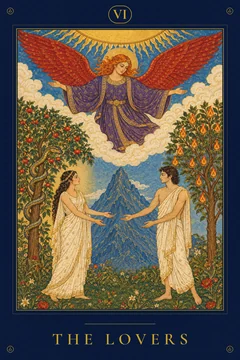
धर्माचार्य के साथ प्रेमी: चुनाव के कार्ड के पास विवाह का कार्ड। कोई वचनबद्धता औपचारिक होने वाली है, या स्वीकृत मार्ग और निजी मार्ग के बीच चुनाव करना है।

The Hierophant with the Lovers: the marriage card beside the choice card. A commitment is about to be formalised, or a choice between the sanctioned path and the personal one must be made.

धर्माचार्य + सम्राट

धर्माचार्य के साथ सम्राट: धर्म-संस्था और राज्य, संस्थागत अधिकार के दो स्तंभ। काग़ज़ी कार्रवाई, अनुमोदन, परंपरा और विधि दोनों द्वारा मान्य नियुक्ति या विवाह।

The Hierophant with the Emperor: church and state, the two pillars of institutional authority. Paperwork, ratification, an appointment or a marriage recognised by both tradition and law.

धर्माचार्य + संन्यासी

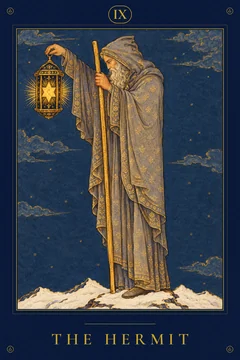
धर्माचार्य के साथ संन्यासी: मंदिर का गुरु और पर्वत का गुरु। प्रश्नकर्ता प्राप्त सिद्धांत से एकांत साधना की ओर बढ़ने को तैयार है, या एकांत से वंश-परंपरा में लौटना है।

The Hierophant with the Hermit: the teacher in the temple and the teacher on the mountain. The querent is ready to move from received doctrine to solitary practice, or needs to return from solitude to a lineage.

धर्माचार्य + मुद्राओं का तीन

धर्माचार्य के साथ मुद्राओं का तीन: शिष्य को मान्यता। कौशल संस्था से मिलता है: अर्जित योग्यता, श्रेणी द्वारा स्वीकृत शिल्प।

The Hierophant with the Three of Pentacles: the apprentice recognised. Skill meets institution; a qualification earned, a craft acknowledged by the guild.

प्रश्नोत्तर

प्रश्न और उत्तर: धर्माचार्य

धर्माचार्य (The Hierophant) टैरो कार्ड का क्या अर्थ है?

वह परंपरा जो सिखाती है: वंश-परंपरा, संस्था, योग्य मार्गदर्शक या अनुष्ठान जिसके माध्यम से ज्ञान आगे सौंपा जाता है। कार्ड में दो स्तंभों के बीच त्रिमुकुट पहने एक धर्मगुरु है, एक हाथ आशीर्वाद में उठा और दूसरा त्रि-क्रॉस थामे, सामने दो भिक्षु घुटनों पर और पाँवों के पास आड़ी कुंजियाँ। वेट के भविष्यकथन-अर्थ हैं विवाह, गठबंधन, बंधन, दासता, दया और भलाई, प्रेरणा, और वह पुरुष जिसके पास प्रश्नकर्ता शरण लेता है।

Tradition that teaches: a lineage, an institution, a qualified guide or a ceremony through which knowledge is handed on. The card shows a pontiff with a triple crown between two pillars, one hand raised in blessing and the other holding a triple cross, with two monks kneeling and crossed keys at his feet. Waite's divinatory meanings are marriage, alliance, captivity, servitude, mercy and goodness, inspiration, and the man to whom the querent has recourse.

क्या धर्माचार्य कार्ड हाँ है या ना?

सीधा आने पर हाँ, बशर्ते आप उचित माध्यम से जाएँ: आवेदन, अनुष्ठान, मान्यता-प्राप्त मार्ग। उलटा आने पर सामान्य ढंग से नहीं। नियम का पालन करने से पहले उस पर प्रश्न कीजिए, और कोई दूसरा द्वार खोजिए।

Upright, yes, provided you go through the proper channel: the application, the ceremony, the recognised route. Reversed, no by the usual way; question the rule before you follow it, and look for a different door.

उलटा धर्माचार्य कार्ड क्या दर्शाता है?

वह परंपरा जिसने सिखाना बंद कर दिया। वेट की उलटी सूची है समाज, अच्छी समझ, सामंजस्य, अति-दयालुता और दुर्बलता: ऐसी संस्था जो सुधारने या प्रेरित करने के लिए बहुत नरम या बहुत औपचारिक है। व्यवहार में यह आज्ञाकारिता माँगती रूढ़ि दिखाता है, या ऐसा गुरु जिससे प्रश्नकर्ता आगे निकल चुका। परंपरा को उसके दिए के लिए धन्यवाद दीजिए, फिर या तो खुली आँखों से व्रत नवीकृत कीजिए या सम्मान सहित विदा लीजिए।

Tradition that has stopped teaching. Waite's reversed list is society, good understanding, concord, overkindness and weakness: an institution too soft or too formal to correct or to inspire. In practice it shows dogma asking for obedience, or a teacher the querent has outgrown. Thank the tradition for what it gave, then either renew the vow with open eyes or leave with respect.

प्रेम में और भावना के रूप में धर्माचार्य कार्ड का क्या अर्थ है?

भावना के रूप में, कोई जो वचनबद्धता को गंभीरता से लेता है और विवाह, पारिवारिक स्वीकृति और साझा मूल्यों की भाषा में सोचता है। आकर्षण स्थिर है और धीरे बदलता है। संबंध में यह सगाई, अनुष्ठान और साझा रीतियों के बल की ओर संकेत करता है। उलटा आने पर केवल रूढ़ि से जुड़ा मिलन, या ऐसे बंधन पर दबाव डालते पारिवारिक नियम जिसे स्थान चाहिए।

As feelings, someone who takes commitment seriously and thinks in terms of marriage, family approval and shared values; the attraction is steady and slow to change. In a relationship it points to engagement, ceremony and the strength of shared customs. Reversed, a union held together by convention alone, or family rules pressing on a bond that needs room.

धर्माचार्य कार्ड पर आड़ी कुंजियों का क्या अर्थ है?

वे कुंजियों की शक्ति हैं, खोलने और बंद करने, प्रवेश देने और बाँधने का अधिकार, जिसे वेट धर्माचार्य का पद कहते हैं: बाह्य रूढ़ सिद्धांत और उस जीवन का बाहरी पक्ष जो सिद्धांत तक ले जाता है। दो इसलिए हैं क्योंकि हर शिक्षा में एक बाहरी ताला है और एक भीतरी। वे उसके हाथ में नहीं, सीढ़ी पर पड़ी हैं, जो कहता है कि कुंजियाँ पद की हैं, उस व्यक्ति की नहीं जो उसे धारण करता है।

They are the authority of the keys, to open and to close, to admit and to bind, which Waite names as the Hierophant's office: exoteric orthodox doctrine and the outer side of the life which leads to the doctrine. There are two because every teaching has an outer lock and an inner one. They lie on the step and he does not hold them, a sign that the keys belong to the office and pass from one holder to the next.

यह कार्ड निकालिए
देखिए, आपके अपने पाठ में यह कार्ड कहाँ आता है

निःशुल्क, द्विभाषी, प्रतिदिन तीन पाठ।

अपने कार्ड निकालिए
संबंधित कार्ड

स्रोत: A. E. Waite, The Pictorial Key to the Tarot (1910); Golden Dawn attributions (Vav, Taurus); The 1909 Smith-Waite plate, Pamela Colman Smith