TarotPanditby Pandit Rahul Kaushl
Major Arcana · XV
Cards › Major Arcana › The Devil

The Devil शैतान

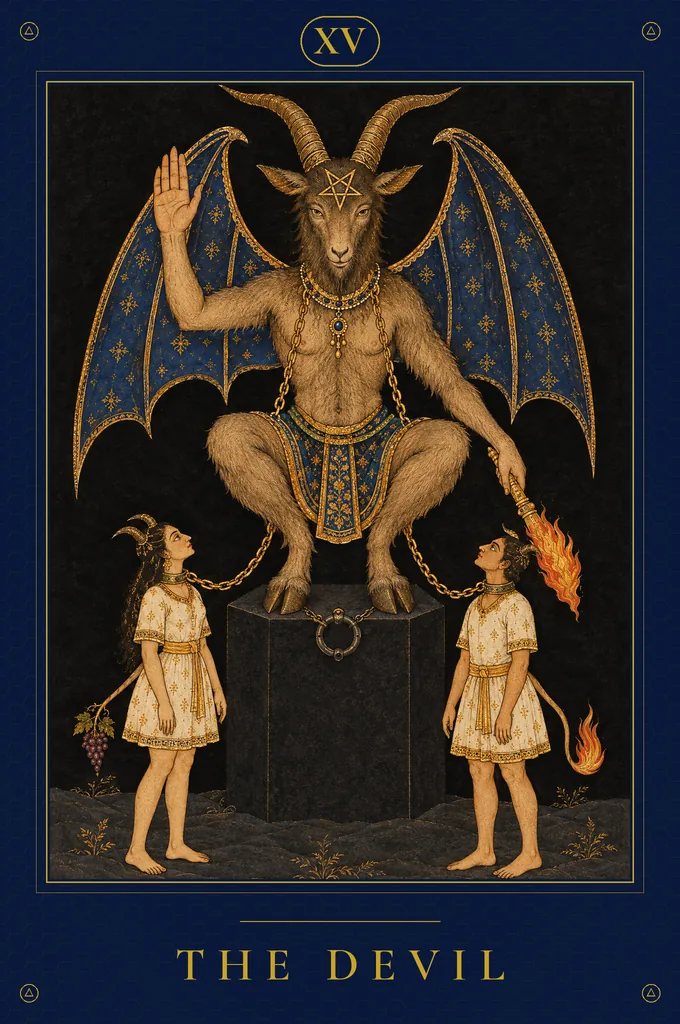
The Devil tarot card means bondage that is held in place by consent: an attachment, appetite or fear that has come to feel like fate. Card XV shows a goat-headed figure with bat wings and an inverted pentagram, right hand raised, torch lowered, squatting on a black pedestal to which a woman and a man are chained by the neck. Upright it is the chain; reversed it is the chain noticed and loosening.

शैतान (The Devil) टैरो कार्ड का अर्थ है ऐसा बंधन जो सहमति से टिका है: कोई आसक्ति, लालसा या भय जो भाग्य जैसा लगने लगा है। पंद्रहवें कार्ड पर बकरे के सिर वाली एक आकृति है, जिसके चमगादड़ जैसे पंख हैं और ललाट पर उलटा पंचकोणीय तारा। उसका दाहिना हाथ उठा है, मशाल नीचे झुकी है, और वह एक काली पीठिका पर बैठी है जिससे एक स्त्री और एक पुरुष गले से बँधे हैं। सीधा आने पर यह कार्ड ज़ंजीर को दिखाता है, उलटा आने पर उसी ज़ंजीर को जो पहचान ली गई है और ढीली हो रही है।

Numeral XVElement EarthAstrology Capricorn (Golden Dawn attribution)Hebrew letter AyinYes or no No, while the chain holds
The Devil, TarotPandit deck
1 of 8 · The horned figure

Tap a number on the card, or open a lesson. The TarotPandit deck keeps the 1909 composition exactly, redrawn as an Indian miniature.

The card, element by element
What it isयह क्या है

A figure with a goat's head and long curved horns, a furred human torso and shaggy legs ending in hooves, squatting on a black pedestal against a black sky. A jewelled collar hangs at the neck and a blue and gold cloth at the waist. Waite names it the Horned Goat of Mendes.

बकरे के सिर और लंबे मुड़े सींगों वाली आकृति, रोएँदार मानवीय धड़ और खुरों में समाप्त होती झबरी टाँगें, काले आकाश के सामने एक काली पीठिका पर बैठी। गले में रत्न-जड़ित हार और कमर पर नीला-सुनहरा वस्त्र। वेट इसे मेंडीज़ का सींगों वाला बकरा कहते हैं।

What it denotesयह क्या दर्शाता है

The material and instinctual nature when it has taken the throne. Half beast and half human, the figure is what appetite becomes once it is put in charge. He is no outside enemy. He is a part of the self that has been handed too much authority.

भौतिक और सहज स्वभाव, जब वह सिंहासन पर बैठ जाए। आधा पशु और आधा मनुष्य, यह आकृति वह रूप है जो लालसा को अधिकार सौंपते ही उभर आता है। यह कोई बाहरी शत्रु नहीं। यह स्वयं का ही एक अंश है जिसे बहुत अधिक अधिकार दे दिया गया।

The black groundकाली पृष्ठभूमि

The sky behind him is solid black, with no horizon, sun or star. Nothing on the card points beyond the scene; that closed field is the experience of bondage itself.

उसके पीछे का आकाश ठोस काला है, न क्षितिज, न सूर्य, न तारा। कार्ड पर कुछ भी इस दृश्य से परे संकेत नहीं करता। यह बंद क्षेत्र स्वयं बंधन का अनुभव है।

Sourceस्रोत

A. E. Waite, The Pictorial Key to the Tarot, 1910. Golden Dawn: the Devil attributed to Ayin and Capricorn.

ए. ई. वेट, द पिक्टोरियल की टु द टैरो, 1910। गोल्डन डॉन: शैतान को अयिन अक्षर और मकर राशि से जोड़ा गया।

Reading tipपाठ-संकेत

Ask what has been given the throne: a habit, a person, a fear, a hunger for more. Reversed, the figure's hold is weakening because it has been seen; keep looking at it directly.

पूछिए कि सिंहासन किसे दे दिया गया है: किसी आदत को, किसी व्यक्ति को, किसी भय को, या अधिक पाने की भूख को। उलटा आने पर आकृति की पकड़ कमज़ोर हो रही है क्योंकि उसे देख लिया गया है। उसे सीधे देखते रहिए।
सींगों वाली आकृति कोई बाहरी शत्रु नहीं, स्वयं का वह अंश है जिसे सेवा में रखने के बजाय सिंहासन दे दिया गया।
What it isयह क्या है

A five-pointed star drawn in gold on the forehead between the horns, set with one point down and two points up. Waite notes a reversed pentagram on the forehead.

सींगों के बीच ललाट पर सोने से बना पाँच नोकों वाला तारा, एक नोक नीचे और दो नोकें ऊपर। वेट ललाट पर उलटे पंचकोणीय तारे का उल्लेख करते हैं।

What it denotesयह क्या दर्शाता है

Order inverted. Upright, the pentagram is commonly read as the human figure with spirit at the head, ruling the four elements. Turned over, the single point of spirit faces the ground and the two points of appetite rise: matter set above meaning.

उलटी हुई व्यवस्था। सीधा पंचकोणीय तारा प्रायः उस मानव आकृति की तरह पढ़ा जाता है जिसके शीर्ष पर आत्मा है, जो चार तत्वों पर शासन करती है। उलटने पर आत्मा की अकेली नोक भूमि की ओर हो जाती है और लालसा की दो नोकें ऊपर उठती हैं: अर्थ के ऊपर पदार्थ।

The pentaclesमुद्राएँ

The same five-pointed star marks every coin in the suit of Pentacles. On the Devil's brow it shows what happens when the material world, good in its place, is set above everything else.

यही पाँच नोकों वाला तारा मुद्राओं के वर्ग के हर सिक्के पर अंकित है। शैतान के ललाट पर यह दिखाता है कि जब भौतिक संसार, जो अपने स्थान पर शुभ है, सबसे ऊपर रख दिया जाए तो क्या होता है।

Sourceस्रोत

Pictorial Key, 1910 (a reversed pentagram on the forehead). What each point stands for comes from older symbolic tradition.

पिक्टोरियल की, 1910 (ललाट पर उलटा पंचकोणीय तारा)। हर नोक का अर्थ पुरानी प्रतीक-परंपरा से आता है।

Reading tipपाठ-संकेत

When the Devil falls in a position about values, read the star: what has been put at the top of the querent's list that belongs lower down? Reversed, the star is turning upright again; help it along with one choice that puts meaning first.

जब शैतान मूल्यों से जुड़े स्थान पर आए, तो तारे को देखिए: प्रश्नकर्ता की सूची में सबसे ऊपर क्या रख दिया गया है जो नीचे होना चाहिए? उलटा आने पर तारा फिर से सीधा हो रहा है। किसी ऐसे चुनाव से उसकी सहायता कीजिए जो अर्थ को पहले रखे।

उलटे तारे में आत्मा की नोक नीचे और लालसा की नोकें ऊपर हैं: अर्थ के ऊपर पदार्थ, व्यवस्था उलटी हुई।
What it isयह क्या है

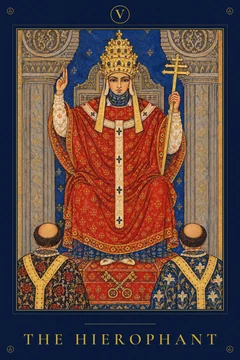
The figure's right arm is raised high, the palm open and facing outward with the fingers together. Waite describes the hand as upraised and extended, the reverse of the benediction given by the Hierophant.

आकृति की दाहिनी भुजा ऊँची उठी है, हथेली खुली और बाहर की ओर, उँगलियाँ जुड़ी हुई। वेट इस हाथ को उठा और फैला हुआ बताते हैं, धर्माचार्य द्वारा दिए गए आशीर्वाद का उलटा रूप।

What it denotesयह क्या दर्शाता है

False authority. The Hierophant raises two fingers to bless and to point beyond himself; this open hand points nowhere and claims everything. It is the gesture of something that asks to be obeyed without offering a reason.

मिथ्या अधिकार। धर्माचार्य आशीर्वाद देने और स्वयं से परे संकेत करने के लिए दो उँगलियाँ उठाता है। यह खुला हाथ कहीं संकेत नहीं करता और सब कुछ अपना बताता है। यह उस वस्तु की मुद्रा है जो बिना कारण दिए आज्ञापालन माँगती है।

The mirror of card Vपाँचवें कार्ड का दर्पण

The design repeats the Hierophant's: a raised right hand above, two smaller figures below. In the Hierophant the two below are students; here they are captives. The structure is the same, and only the spirit has changed.

रचना धर्माचार्य की रचना को दोहराती है: ऊपर उठा दाहिना हाथ, नीचे दो छोटी आकृतियाँ। धर्माचार्य में नीचे की दोनों आकृतियाँ शिष्य हैं, यहाँ वे बंदी हैं। संरचना वही है, केवल भाव बदल गया है।

Sourceस्रोत

Pictorial Key, 1910 (the right hand upraised, the reverse of the Hierophant's benediction).

पिक्टोरियल की, 1910 (उठा हुआ दाहिना हाथ, धर्माचार्य के आशीर्वाद का उलटा)।

Reading tipपाठ-संकेत

If the question involves an authority, a boss, a group or an ideology, read the hand: does it explain itself, or does it only command? Reversed, the querent has begun to ask why. Encourage them to keep asking until an answer comes.

यदि प्रश्न में कोई अधिकारी, कोई स्वामी, कोई समूह या कोई विचारधारा हो, तो हाथ को देखिए: क्या वह स्वयं को स्पष्ट करता है, या केवल आदेश देता है? उलटा आने पर प्रश्नकर्ता ने पूछना आरंभ कर दिया है कि क्यों। उत्तर मिलने तक पूछते रहने को कहिए।

उठा हुआ हाथ धर्माचार्य के आशीर्वाद का उलटा है: वह कहीं संकेत नहीं करता, केवल आज्ञापालन माँगता है।
What it isयह क्या है

Two large wings of the bat kind, membrane stretched between long bony ribs, open on either side of the figure. In this painting they are deep blue scattered with small gold stars and edged in gold. Waite gives the goat wings like those of a bat.

चमगादड़ जैसे दो बड़े पंख, लंबी अस्थि-पसलियों के बीच तनी झिल्ली, आकृति के दोनों ओर खुले। इस चित्र में वे गहरे नीले हैं, छोटे सुनहरे तारों से भरे और सुनहरी किनारी वाले। वेट बकरे को चमगादड़ जैसे पंख देते हैं।

What it denotesयह क्या दर्शाता है

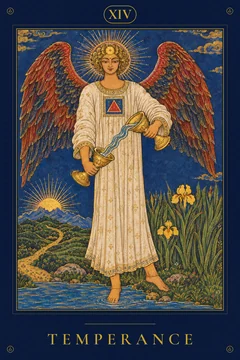
Power that belongs to darkness. The angel of Temperance, one card earlier, has feathered wings that open toward the light; these are the wings of a creature that flies by night. The contrast is the teaching: the same capacity to rise, turned toward concealment.

अंधकार की शक्ति। एक कार्ड पहले संयम के देवदूत के पंख परों वाले हैं और प्रकाश की ओर खुलते हैं। ये उस प्राणी के पंख हैं जो रात में उड़ता है। यही अंतर शिक्षा है: ऊपर उठने की वही क्षमता, छिपाव की ओर मुड़ी हुई।

The colourरंग

Deep blue with points of gold, like a night sky. The wings carry the stars that the black background refuses; the promise of the Star, card XVII, is folded inside the very thing that hides it.

सुनहरे बिंदुओं वाला गहरा नीला, रात्रि के आकाश जैसा। काली पृष्ठभूमि जिन तारों को नकारती है, वे पंखों पर उतर आए हैं। सत्रहवें कार्ड, तारा, का वचन उसी वस्तु के भीतर तह किया हुआ है जो उसे छिपाती है।

Sourceस्रोत

Pictorial Key, 1910 (wings like those of a bat). The note on the star pattern comes from this deck's painting.

पिक्टोरियल की, 1910 (चमगादड़ जैसे पंख)। तारों के आलेखन वाली बात इस डेक के चित्र से ली गई है।

Reading tipपाठ-संकेत

Something is working out of sight here, a secret habit or an unspoken arrangement. When the card is reversed it is coming into the light. Let it come, and speak of it to one trusted person.

यहाँ कुछ दृष्टि से ओझल होकर काम कर रहा है, कोई गुप्त आदत या कोई अनकहा समझौता। उलटा आने पर वह प्रकाश में आ रहा है। उसे आने दीजिए, और किसी एक विश्वसनीय व्यक्ति से उसकी बात कीजिए।

संयम के पंख प्रकाश की ओर खुलते हैं, ये रात्रि की ओर। ऊपर उठने की वही क्षमता, छिपाव की ओर मुड़ी हुई।
What it isयह क्या है

In the left hand, a golden torch held downward, its orange flame streaming toward the ground beside the man's head. Waite describes a great flaming torch inverted towards the earth.

बाएँ हाथ में नीचे की ओर थामी सुनहरी मशाल, उसकी नारंगी लौ पुरुष के सिर के पास भूमि की ओर बहती हुई। वेट पृथ्वी की ओर उलटी की गई एक बड़ी जलती मशाल का वर्णन करते हैं।

What it denotesयह क्या दर्शाता है

Energy turned downward. A torch raised gives light to see by; a torch lowered burns what is below it. The same vital fire that could illuminate is spent on appetite, and its flame has already lit the man's tail.

नीचे की ओर मोड़ी गई ऊर्जा। ऊपर उठी मशाल देखने के लिए प्रकाश देती है, नीचे झुकी मशाल अपने नीचे की वस्तु को जलाती है। वही जीवन-अग्नि जो प्रकाशित कर सकती थी, लालसा पर व्यय होती है, और उसकी लौ पुरुष की पूँछ को पहले ही जला चुकी है।

The flameलौ

Orange and red, the colours of desire. It hangs close to the man's head: the fire that drives him comes from above him, from the figure he serves.

नारंगी और लाल, इच्छा के रंग। यह पुरुष के सिर के पास लटकती है: जो अग्नि उसे चलाती है वह उसके ऊपर से, उस आकृति से आती है जिसकी वह सेवा करता है।

Sourceस्रोत

Pictorial Key, 1910 (the flaming torch inverted towards the earth).

पिक्टोरियल की, 1910 (पृथ्वी की ओर उलटी जलती मशाल)।

Reading tipपाठ-संकेत

The lowered torch puts one plain question to the querent: is your energy going into what lights the way, or into what burns it up? Upright, the torch points down. Reversed, it can be lifted; move one hour a day from the habit to something that gives light.

झुकी हुई मशाल प्रश्नकर्ता से एक सीधा प्रश्न पूछती है: आपकी ऊर्जा मार्ग दिखाने वाली वस्तु में जा रही है या उसे जला देने वाली में? सीधा आने पर मशाल नीचे की ओर है। उलटा आने पर उसे उठाया जा सकता है। प्रतिदिन एक घंटा उस आदत से हटाकर किसी ऐसे काम को दीजिए जो प्रकाश देता हो।

ऊपर उठी मशाल प्रकाश देती है, नीचे झुकी मशाल जलाती है। वही जीवन-अग्नि, लालसा पर व्यय होती हुई।
What it isयह क्या है

A heavy black block, the figure's seat, with an iron ring fixed to its front face. From the ring two chains run up to the necks of the two standing figures. Waite calls it an altar and places the ring in front of it.

एक भारी काला खंड, आकृति का आसन, जिसके सामने वाले भाग पर लोहे का कड़ा जड़ा है। कड़े से दो ज़ंजीरें दोनों खड़ी आकृतियों के गले तक जाती हैं। वेट इसे वेदी कहते हैं और कड़े को उसके सामने रखते हैं।

What it denotesयह क्या दर्शाता है

The fixed point of a bondage. Teachers describe the block as a half-cube: where a perfect cube stands for complete truth, the half-cube is half the truth, the visible, material part taken for the whole. The chains are anchored to that partial view.

बंधन का स्थिर बिंदु। शिक्षक इस खंड को अर्ध-घन कहते हैं: जहाँ पूर्ण घन संपूर्ण सत्य का प्रतीक है, वहाँ अर्ध-घन आधा सत्य है, दृश्य और भौतिक भाग जिसे पूरा समझ लिया गया। ज़ंजीरें उसी अधूरी दृष्टि से बँधी हैं।

One ringएक कड़ा

Both chains run to the same single ring. The two figures are bound by one shared thing, and in a reading that is often the arrangement between them more than either person alone.

दोनों ज़ंजीरें एक ही कड़े तक जाती हैं। दोनों आकृतियाँ एक ही साझी वस्तु से बँधी हैं, और पाठ में वह प्रायः किसी एक व्यक्ति से अधिक उनके बीच की व्यवस्था होती है।

Sourceस्रोत

Pictorial Key, 1910 (the altar and the ring in front of it). Reading the block as a half-cube is a later teaching.

पिक्टोरियल की, 1910 (वेदी और उसके सामने कड़ा)। पीठिका को अर्ध-घन मानना बाद की शिक्षा है।

Reading tipपाठ-संकेत

When the question concerns two people, look at the single ring: what is the one thing that holds them both, money, habit, fear of being alone? Reversed, the ring is loosening; name it together.

जब प्रश्न दो व्यक्तियों के विषय में हो, तो उस एक कड़े को देखिए: वह कौन-सी एक वस्तु है जो दोनों को बाँधे है, धन, आदत, या अकेले होने का भय? उलटा आने पर कड़ा ढीला हो रहा है। उसे साथ मिलकर नाम दीजिए।

अर्ध-घन आधा सत्य है, वह दृश्य भाग जिसे पूरा समझ लिया गया। दोनों ज़ंजीरें उसी एक कड़े से बँधी हैं।
What it isयह क्या है

A woman at the left and a man at the right stand barefoot on the dark ground, each in a short pale tunic with a gold sash, each with small horns, each looking up at the figure on the pedestal. Chains run from collars at their necks to the ring and hang in slack loops. Their hands hang free at their sides.

बाईं ओर एक स्त्री और दाहिनी ओर एक पुरुष अंधेरी भूमि पर नंगे पाँव खड़े हैं, दोनों सुनहरे कमरबंद वाले छोटे हल्के अंगरखे में, दोनों के छोटे सींग, दोनों पीठिका पर बैठी आकृति की ओर ऊपर देखते हुए। उनके गले के पट्टों से ज़ंजीरें कड़े तक जाती हैं और ढीले घेरों में लटकती हैं। उनके हाथ बगल में स्वतंत्र लटके हैं।

What it denotesयह क्या दर्शाता है

Bondage by consent. Waite calls them Adam and Eve after the Fall and sees human intelligence in their faces. Nothing holds their hands, and the chains are slack. They could lift them off. They stay because they are looking up at their master instead of at each other.

सहमति से बंधन। वेट इन्हें पतन के बाद के आदम और हव्वा बताते हैं और कहते हैं कि इनके चेहरों पर मानवीय बुद्धि है। उनके हाथ किसी ने नहीं पकड़े, ज़ंजीरें ढीली हैं। वे उन्हें उतार सकते हैं, फिर भी बँधे रहते हैं, क्योंकि उनकी आँखें एक-दूसरे पर टिकने के बदले ऊपर अपने स्वामी पर लगी हैं।

The Loversप्रेमी

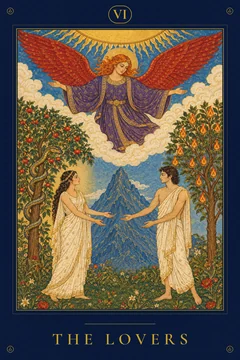
The pair repeats the two figures of the Lovers, card VI, where an angel blesses them from above. Here the presence above them is the goat, and the blessing has become a chain. The same two people can stand in either card.

यह जोड़ी छठे कार्ड, प्रेमी, की दो आकृतियों को दोहराती है, जहाँ एक देवदूत ऊपर से उन्हें आशीर्वाद देता है। यहाँ उनके ऊपर बकरा है, और आशीर्वाद ज़ंजीर बन गया है। वही दो व्यक्ति किसी भी कार्ड में खड़े हो सकते हैं।

Sourceस्रोत

Pictorial Key, 1910 (the chains to the necks of a male and a female figure). The 1909 plate shows the two figures unclothed; this deck's painting gives them short tunics and keeps every other element of the composition.

पिक्टोरियल की, 1910 (एक पुरुष और एक स्त्री आकृति के गले तक ज़ंजीरें)। 1909 की प्लेट में दोनों आकृतियाँ निर्वस्त्र हैं। इस डेक का चित्र उन्हें छोटे अंगरखे देता है और रचना का हर अन्य तत्व वैसा ही रखता है।

Reading tipपाठ-संकेत

The central teaching of the card: show the querent the free hands. Upright, the chain holds because it has not been tested. Reversed, a hand has begun to rise toward the collar; encourage one small act of release this week.

कार्ड की केंद्रीय शिक्षा: प्रश्नकर्ता को स्वतंत्र हाथ दिखाइए। सीधा आने पर ज़ंजीर इसलिए टिकी है क्योंकि उसे परखा नहीं गया। उलटा आने पर एक हाथ पट्टे की ओर उठने लगा है। इस सप्ताह मुक्ति का कोई छोटा कर्म करने को प्रोत्साहित कीजिए।

ज़ंजीरें ढीली हैं और हाथ स्वतंत्र। वे स्वयं को मुक्त कर सकते हैं, पर उनकी दृष्टि एक-दूसरे पर टिकने के बदले अपने स्वामी पर है।
What it isयह क्या है

Each figure has a tail. The woman's ends in a bunch of purple grapes with a vine leaf; the man's ends in a small orange flame. Waite says the figures are tailed to signify the animal nature.

हर आकृति की एक पूँछ है। स्त्री की पूँछ अंगूर-पत्ती के साथ बैंगनी अंगूरों के गुच्छे में समाप्त होती है, और पुरुष की एक छोटी नारंगी लौ में। वेट कहते हैं कि आकृतियों को पूँछ पशु-स्वभाव दर्शाने के लिए दी गई है।

What it denotesयह क्या दर्शाता है

Appetite grown into the body. The grapes are pleasure and indulgence, the harvest consumed without measure; the flame is passion and drive, fire that has become a compulsion. The longer the bondage lasts, the more the person begins to resemble it.

देह में उग आई लालसा। अंगूर सुख और भोग हैं, बिना मर्यादा के खाई गई फ़सल। लौ आवेग और प्रेरणा है, वह अग्नि जो विवशता बन गई। बंधन जितना लंबा चलता है, व्यक्ति उतना ही उसके जैसा दिखने लगता है।

The Lovers againफिर से प्रेमी

In the Lovers, the woman stands before a tree of fruit and the man before a tree of flames. Here the fruit and the flame are no longer trees in a garden; they have become part of the two figures themselves.

प्रेमी कार्ड में स्त्री फलों के वृक्ष के सामने और पुरुष ज्वालाओं के वृक्ष के सामने खड़ा है। यहाँ फल और लौ उद्यान के वृक्ष नहीं रहे। वे स्वयं दोनों आकृतियों का अंग बन गए हैं।

Sourceस्रोत

Pictorial Key, 1910 (the figures are tailed, to signify the animal nature). Teachers since Waite have linked the tails to the two trees of the Lovers.

पिक्टोरियल की, 1910 (पशु-स्वभाव दर्शाने के लिए आकृतियों को पूँछ)। वेट के बाद के शिक्षकों ने इन पूँछों को प्रेमी कार्ड के दो वृक्षों से जोड़ा है।

Reading tipपाठ-संकेत

Ask which tail the querent has grown: grapes, the comfort taken too often, or flame, the drive that no longer rests. Upright, it has become part of daily life. Reversed, it can still be trimmed; reduce it by one occasion a week.

पूछिए कि प्रश्नकर्ता में कौन-सी पूँछ उग आई है: अंगूर, यानी बहुत बार लिया गया सुख, या लौ, यानी वह प्रेरणा जो अब विश्राम नहीं करती। सीधा आने पर वह दैनिक जीवन का अंग बन गई है। उलटा आने पर उसे अभी भी छाँटा जा सकता है। सप्ताह में एक अवसर कम कीजिए।

प्रेमी कार्ड के फल और ज्वाला अब उद्यान के वृक्ष नहीं, स्वयं आकृतियों की पूँछें बन गए हैं: देह में उग आई लालसा।
Key takeaways
  • The Devil is the Lovers in shadow: the same two figures, the same winged presence above them, but blessing has become bondage. Teach cards VI and XV side by side.शैतान छाया में खड़ा प्रेमी कार्ड है: वही दो आकृतियाँ, उनके ऊपर वही पंखधारी उपस्थिति, पर आशीर्वाद बंधन बन गया है। छठा और पंद्रहवाँ कार्ड साथ-साथ पढ़ाइए।
  • Read the hands before the chains: the figures could free themselves. The bondage lasts because nobody has questioned it.ज़ंजीरों से पहले हाथ देखिए: आकृतियाँ स्वयं को मुक्त कर सकती हैं। बंधन इसलिए टिका है क्योंकि किसी ने उस पर प्रश्न नहीं उठाया।
  • An attachment, habit or fear that rules more than it should. In reverse the chain is recognised and loosens for the first time, though Waite's own reversed meaning is the same bondage sunk into blindness.कोई आसक्ति, आदत या भय जो उचित से अधिक शासन करता है। उलटा आने पर ज़ंजीर पहचानी जाती है और पहली बार ढीली होती है, यद्यपि वेट उलटे कार्ड का अर्थ उसी बंधन का अंधेपन में डूब जाना बताते हैं।
  • Waite adds that the one enthroned above the figures is not to be their master for ever, and is himself a bondsman. No chain on this card is permanent.वेट जोड़ते हैं कि आकृतियों के ऊपर विराजमान सदा के लिए उनका स्वामी नहीं रहेगा, और वह स्वयं भी एक बंदी है। इस कार्ड की कोई ज़ंजीर स्थायी नहीं।
Keywords

Upright: bondage, attachment, temptation, materialism, a self-made chain

Reversed: the chain noticed, release begun, detachment, pettiness, blindness to the pattern

The chain you could lift off yourself. The figures are bound at the neck but their hands are free; the card's whole teaching sits in that detail.

वह ज़ंजीर जिसे आप स्वयं उतार सकते हैं। आकृतियाँ गले से बँधी हैं पर उनके हाथ स्वतंत्र हैं। कार्ड की पूरी शिक्षा इसी एक विवरण में है।

In the five areas of life

The Devil in your life

What this card says when the question is about money, marriage, work, the body, or the road itself. Finance is open to everyone; the other four belong to Premium.

जब प्रश्न धन, विवाह, काम, शरीर या स्वयं जीवन-पथ का हो, तब यह कार्ड क्या कहता है। धन सबके लिए खुला है; शेष चार प्रीमियम के लिए हैं।

Quick answerत्वरित उत्तर
No, while the chain holdsReversed: Maybe; it turns toward yes as you loosen the hold
The numberअंक
15 (1+5 = 6) · Shat, through PanchadashaFifteen reduces to six, the number of the Lovers. The Devil is the Lovers' choice turned inside out: where six chose freely, fifteen has forgotten that it chose at all.
Date of birth
क्या यह आपका जन्म-कार्ड है?">
Free to check. Premium keeps your birth card and year card profile.
₹FinanceधनFree sample
Uprightसीधा

Money has become the master. The card appears with debt that keeps growing, spending that answers a feeling more than a need, or an income so tied to one source that every choice is made in its service. Waite's word fatality fits the mood: it feels as if there is no way out. Yet the chain is slack. Seeing the full figure on paper is the first loosening.

धन स्वामी बन गया है। यह कार्ड बढ़ते ऋण के साथ आता है, ऐसे व्यय के साथ जो आवश्यकता से अधिक किसी भावना का उत्तर देता है, या ऐसी आय के साथ जो एक ही स्रोत से इतनी बँधी है कि हर चुनाव उसकी सेवा में किया जाता है। वेट का शब्द नियति इस मनोदशा पर ठीक बैठता है: लगता है कि बाहर का कोई मार्ग नहीं। फिर भी ज़ंजीर ढीली है। पूरी राशि को कागज़ पर देख लेना ही उसे पहली बार ढीला करना है।

Reversedउलटा

The hold of a debt or a spending pattern is beginning to break: the first refusal, the first repayment, the account finally opened and read. Set up one small automatic payment toward the debt and leave it untouched for six months.

किसी ऋण या व्यय के ढर्रे की पकड़ टूटने लगी है: पहला इनकार, पहला पुनर्भुगतान, खाता अंततः खोलकर पढ़ा गया। ऋण की ओर एक छोटा स्वचालित भुगतान निश्चित कीजिए और छह महीने उसे न छेड़िए।

Avoidबचिए

Spending to soothe the discomfort that the spending created.

उसी असुविधा को शांत करने के लिए व्यय करना जिसे व्यय ने उत्पन्न किया।

Try insteadइसके स्थान पर

Write the full figure of what you owe on one page tonight.

आज रात एक पृष्ठ पर लिखिए कि आप पर कुल कितना देय है।

❖Married life and relationshipsवैवाहिक जीवन और संबंधPremium
Uprightसीधा

A partnership held together by something other than free choice: dependence, jealousy, money, family pressure or the fear of being alone.

ऐसी साझेदारी जो स्वतंत्र चुनाव के अलावा किसी और वस्तु से टिकी है: निर्भरता, ईर्ष्या, धन, पारिवारिक दबाव या अकेले होने का भय।

Unlock with Premium
◈Business and careerव्यवसाय और करियरPremium
Uprightसीधा

Work that has become a cage. The salary is good, the title is respectable, and yet every year the cost rises: hours, health, conscience, family time.

ऐसा काम जो पिंजरा बन गया है। वेतन अच्छा है, उपाधि सम्मानजनक है, फिर भी हर वर्ष मूल्य बढ़ता है: घंटे, स्वास्थ्य, अंतरात्मा, परिवार का समय।

Unlock with Premium
✚Healthस्वास्थ्यPremium
Uprightसीधा

Here the Devil shows a habit that has taken more hold than was intended: a comfort taken too often, a routine that has become compulsive, a pattern that continues though it no longer helps.

यहाँ शैतान कार्ड ऐसी आदत दिखाता है जिसने इच्छा से अधिक पकड़ बना ली है: बहुत बार लिया गया कोई सुख, कोई दिनचर्या जो विवशता बन गई, कोई ढर्रा जो अब सहायक न होते हुए भी चलता रहता है।

Tarot points your attention; it does not diagnose. For any symptom, see a qualified doctor.

Unlock with Premium
☉The life pathजीवन-पथPremium
Uprightसीधा

A period in which something material or instinctual has been given the throne: status, comfort, a craving, a fear.

एक ऐसा काल जिसमें किसी भौतिक या सहज वस्तु को सिंहासन दे दिया गया है: प्रतिष्ठा, सुविधा, कोई तृष्णा, कोई भय।

Unlock with Premium
Premium
All five areas on all 78 cards

Unlimited readings, the five areas under every card, your birth card and year card profile, reading history, a sealed PDF of every reading and your daily card on WhatsApp.

₹299
a month, or ₹1,999 a yearUnlock Premium
Upright

The Devil upright meaning

A goat-headed figure squats on a black block, and a man and a woman stand chained to it by the neck, their hands empty and free. The Devil upright is a bondage held in place by consent. An attachment, a habit, a relationship, a debt or a hunger for more has taken the throne, and life has arranged itself around it until the arrangement feels like fate. Waite's meanings include vehemence, extraordinary effort, force and fatality, and he adds that what is predestined is not for that reason evil. He also writes that the one above them is not to be their master for ever. So the card carries no condemnation. See the chain clearly, name what it is made of, and notice that your own hands are free.

बकरे के सिर वाली एक आकृति काली पीठिका पर बैठी है, और एक पुरुष तथा एक स्त्री गले से उससे बँधे खड़े हैं, उनके हाथ खाली और स्वतंत्र हैं। सीधा आने पर शैतान कार्ड सहमति से टिके बंधन का संकेत है। कोई आसक्ति, आदत, संबंध, ऋण या अधिक पाने की कोई भूख सिंहासन पर बैठ गई है, और जीवन उसके चारों ओर इस प्रकार व्यवस्थित हो गया है कि यह व्यवस्था भाग्य जैसी लगती है। वेट के अर्थों में प्रचंडता, असाधारण प्रयास, बल और नियति आते हैं, और वे जोड़ते हैं कि जो पूर्वनिर्धारित है वह इसी कारण अशुभ नहीं हो जाता। वे यह भी लिखते हैं कि उनके ऊपर बैठा सदा के लिए उनका स्वामी नहीं रहेगा। इसलिए इस कार्ड में कोई निंदा नहीं है। ज़ंजीर को स्पष्ट देखिए, पहचानिए कि वह किस वस्तु से बनी है, और ध्यान दीजिए कि आपके अपने हाथ स्वतंत्र हैं।

Reversed

The Devil reversed meaning

The Devil reversed has two faces, and the question decides which one the reader takes. In the first, the chain has been noticed: a habit is seen for what it is, a controlling arrangement is questioned, and a hand rises toward the collar. In the second, which follows Waite's reversed meanings of weakness, pettiness and blindness, the bondage has sunk so deep that it is no longer felt. Both point the same way. Make the chain visible and then lift it a little. Write down what binds you and what it costs, tell one trusted person, and take one small concrete step away from it this week. Freedom here comes by inches, and every inch counts.

उलटा आने पर शैतान कार्ड के दो रूप होते हैं, और प्रश्न तय करता है कि पाठक कौन-सा रूप ले। पहले रूप में ज़ंजीर पहचान ली गई है: किसी आदत को उसके वास्तविक रूप में देखा गया है, किसी नियंत्रक व्यवस्था पर प्रश्न उठा है, और एक हाथ पट्टे की ओर उठ रहा है। दूसरा रूप वेट के उलटे अर्थों, यानी दुर्बलता, क्षुद्रता और अंधेपन, का अनुसरण करता है। इसमें बंधन इतना गहरा उतर गया है कि अब अनुभव भी नहीं होता। दोनों एक ही दिशा में संकेत करते हैं। ज़ंजीर को दृश्य बनाइए और फिर उसे थोड़ा उठाइए। लिखिए कि आपको क्या बाँधता है और उसका मूल्य क्या है, किसी एक विश्वसनीय व्यक्ति को बताइए, और इस सप्ताह उससे दूर एक छोटा ठोस कदम उठाइए। यहाँ स्वतंत्रता थोड़ा-थोड़ा करके आती है, और हर इंच गिना जाता है।

In position

Reading The Devil by question

Loveप्रेम

Strong attraction with a binding edge: passion, possessiveness, or a relationship held together by habit, money or the fear of being alone. Reversed: one or both partners seeing the pattern and beginning to set it right, or deciding to step out of it.

बाँधने वाली धार के साथ प्रबल आकर्षण: आवेग, अधिकार-भाव, या ऐसा संबंध जो आदत, धन या अकेले होने के भय से टिका है। उलटा: एक या दोनों साथी उस ढर्रे को देखते हुए और उसे सुधारना आरंभ करते हुए, या उससे बाहर निकलने का निर्णय लेते हुए।

Careerकरियर

Work that pays well but binds: golden handcuffs, a culture of overwork, an employer whose authority is never explained. Reversed: recognising the trap and beginning to build a way out, one skill or one saved month at a time.

ऐसा काम जो अच्छा वेतन देता है पर बाँधता है: सोने की हथकड़ियाँ, अति-श्रम की संस्कृति, ऐसा नियोक्ता जिसका अधिकार कभी स्पष्ट नहीं किया जाता। उलटा: जाल को पहचानना और बाहर का मार्ग बनाना आरंभ करना, एक-एक कौशल या एक-एक बचाए महीने से।

Moneyधन

Money sitting on the throne it should serve: debt, compulsive spending, or wealth pursued until it rules every decision. Reversed: the first repayment, the first refusal, the hold loosening; keep going.

धन जो सेवक होने के बदले स्वामी बन बैठा है: ऋण, विवश व्यय, या ऐसा धन जिसका पीछा तब तक किया गया कि वह हर निर्णय पर शासन करने लगा। उलटा: पहला पुनर्भुगतान, पहला इनकार, ढीली होती पकड़। आगे बढ़ते रहिए।

Healthस्वास्थ्य

A habit that has taken more hold than intended. Asking a qualified person for support is a sign of strength. Reversed: the habit recognised and the first change made; protect it.

ऐसी आदत जिसने इच्छा से अधिक पकड़ बना ली है। किसी योग्य व्यक्ति से सहायता माँगना शक्ति का चिह्न है। उलटा: आदत पहचानी गई और पहला परिवर्तन हुआ। उसकी रक्षा कीजिए।

Tarot points your attention; it does not diagnose. For any symptom, see a qualified doctor.

Spiritualआध्यात्मिक

Maya in its plainest form: the material taken for the whole, the appetite taken for the self. Reversed: the first clear sight of the chain, which is where every practice of freedom begins.

अपने सबसे सरल रूप में माया: भौतिक को संपूर्ण समझ लेना, लालसा को स्वयं समझ लेना। उलटा: ज़ंजीर की पहली स्पष्ट झलक, जहाँ से स्वतंत्रता की हर साधना आरंभ होती है।

ElementEarth
AstrologyCapricorn (Golden Dawn)
Hebrew letterAyin
Numerology15, reducing to 6: the choice forgotten
TimingCapricorn season (late December to late January); a pattern that has run for a long time
Yes or noNo, while the chain holds
The Vedic bridge

An interpretive parallel between two traditions, offered as a teaching aid. It is not a scriptural citation, and neither tradition is said to describe the other.

The Gita (14.5) teaches that the three gunas, born of prakriti, bind the imperishable self to the body. Shaiva thought names the same situation with three words: pashu, the bound soul; pasha, the bond; pati, the Lord who frees. Capricorn in Jyotish is Makara, ruled by Shani, the planet of karma and limitation. The slack chain on the card is a good picture of pasha, held in place by attachment alone.

गीता (14.5) सिखाती है कि प्रकृति से उत्पन्न तीनों गुण अविनाशी आत्मा को देह में बाँधते हैं। शैव परंपरा इसी स्थिति को तीन शब्दों में कहती है: पशु, यानी बँधी हुई आत्मा, पाश, यानी बंधन, और पति, यानी मुक्त करने वाले प्रभु। ज्योतिष में मकर राशि का स्वामी शनि है, कर्म और सीमा का ग्रह। कार्ड की ढीली ज़ंजीर उस पाश का अच्छा चित्र है जो केवल आसक्ति से टिका है।

Combinations

The Devil with other cards

The Devil + The Lovers

The Devil with the Lovers: the same pair in light and in shadow. A relationship stands between free choice and dependence; ask which one is guiding it now.

शैतान के साथ प्रेमी: वही जोड़ी प्रकाश में और छाया में। एक संबंध स्वतंत्र चुनाव और निर्भरता के बीच खड़ा है। पूछिए कि इस समय उसे कौन चला रहा है।

The Devil + The Tower

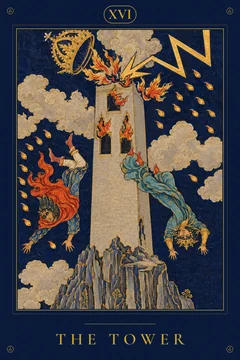
The Devil with the Tower: the chain broken from outside. What was not released willingly is now being shaken loose; accept the help, even if it arrives roughly.

शैतान के साथ मीनार: बाहर से तोड़ी गई ज़ंजीर। जो स्वेच्छा से नहीं छोड़ा गया, वह अब झटके से छुड़ाया जा रहा है। सहायता स्वीकार कीजिए, भले ही वह कठोर रूप में आए।

The Devil + Temperance

The Devil with Temperance: excess met by measure. This bondage yields to moderation practised every day, far more than to one heroic act of renunciation.

शैतान के साथ संयम: अति का सामना मात्रा से। यह बंधन त्याग के किसी एक वीरतापूर्ण कर्म से उतना नहीं खुलता जितना प्रतिदिन निभाई गई मर्यादा से।

The Devil + The Hierophant

The Devil with the Hierophant: two raised right hands. Be careful which authority you follow; a rule that cannot explain itself deserves a question.

शैतान के साथ धर्माचार्य: दो उठे हुए दाहिने हाथ। सावधान रहिए कि आप किस अधिकार का अनुसरण करते हैं। जो नियम स्वयं को स्पष्ट नहीं कर सकता, उस पर प्रश्न उठाना उचित है।

The Devil + Eight of Swords

The Devil with the Eight of Swords: bondage of the mind. The bonds are looser than they feel and the way out is open; the first step is to take off the blindfold of the story you tell yourself.

शैतान के साथ तलवारों का आठ: मन का बंधन। बंधन जितने लगते हैं उससे ढीले हैं और निकलने का मार्ग खुला है। पहला कदम उस कहानी की पट्टी उतारना है जो आप स्वयं को सुनाते हैं।

FAQ

Questions about The Devil

What does the Devil tarot card mean?

Bondage held in place by consent: an attachment, appetite, habit or fear that has come to rule. Waite's meanings include force, vehemence and fatality, which he says is predestined but not for that reason evil. The two chained figures have slack chains and free hands: the bond can be lifted.

सहमति से टिका बंधन: कोई आसक्ति, लालसा, आदत या भय जो शासन करने लगा है। वेट के अर्थों में बल, प्रचंडता और नियति आते हैं, और वे कहते हैं कि जो पूर्वनिर्धारित है वह इसी कारण अशुभ नहीं हो जाता। बँधी हुई दोनों आकृतियों की ज़ंजीरें ढीली हैं और हाथ स्वतंत्र: बंधन उठाया जा सकता है।

Is the Devil a yes or no?

Upright, no, while the chain holds; a yes now would deepen the bond. Reversed, maybe: the answer turns toward yes as the hold is loosened.

सीधा आने पर नहीं, जब तक ज़ंजीर बँधी है। अभी का हाँ बंधन को और गहरा करेगा। उलटा आने पर शायद: पकड़ ढीली होने के साथ उत्तर हाँ की ओर मुड़ता है।

What does the Devil reversed mean?

Either the chain noticed and the first release begun, or, in Waite's reversed meanings of weakness, pettiness and blindness, a bondage so deep it is no longer felt. Both are answered by making the chain visible and taking one small step away from it.

या तो ज़ंजीर पहचानी गई और पहली मुक्ति आरंभ हुई, या, वेट के उलटे अर्थों दुर्बलता, क्षुद्रता और अंधेपन में, ऐसा गहरा बंधन जो अब अनुभव भी नहीं होता। दोनों का उत्तर है ज़ंजीर को दृश्य बनाना और उससे दूर एक छोटा कदम उठाना।

What does the Devil mean in love and as feelings?

As feelings, intense attraction, desire or possessiveness; the pull is strong and only partly free. In a relationship it asks what really holds the two of you together. Reversed, someone is beginning to see the pattern and wants a freer footing.

भावनाओं में यह तीव्र आकर्षण, इच्छा या अधिकार-भाव दिखाता है। खिंचाव प्रबल है और पूरी तरह स्वतंत्र नहीं। संबंध में यह पूछता है कि वास्तव में आप दोनों को साथ क्या रखता है। उलटा आने पर कोई उस ढर्रे को देखने लगा है और अधिक स्वतंत्र आधार चाहता है।

Why are the figures on the Devil card able to free themselves?

Because nothing holds their hands and the chains hang slack from a single ring. The design teaches that this bondage lasts because it is accepted; it could be broken. Waite adds that the one enthroned above them is not to be their master for ever.

क्योंकि उनके हाथ किसी ने नहीं पकड़े और ज़ंजीरें एक ही कड़े से ढीली लटकती हैं। रचना सिखाती है कि यह बंधन इसलिए टिका है क्योंकि उसे स्वीकार किया गया है, इसलिए नहीं कि वह अटूट है। वेट जोड़ते हैं कि उनके ऊपर विराजमान सदा के लिए उनका स्वामी नहीं रहेगा।

Draw this card
See where The Devil falls in your own spread

Free, bilingual, three readings a day.

Draw your cards
Related cards

Sources: A. E. Waite, The Pictorial Key to the Tarot (1910); Golden Dawn attributions (Ayin, Capricorn); The 1909 Smith-Waite plate, Pamela Colman Smith