TarotPanditby Pandit Rahul Kaushl
Cups · VI
Cards › Cups › Six of Cups

Six of Cups प्यालों का छह

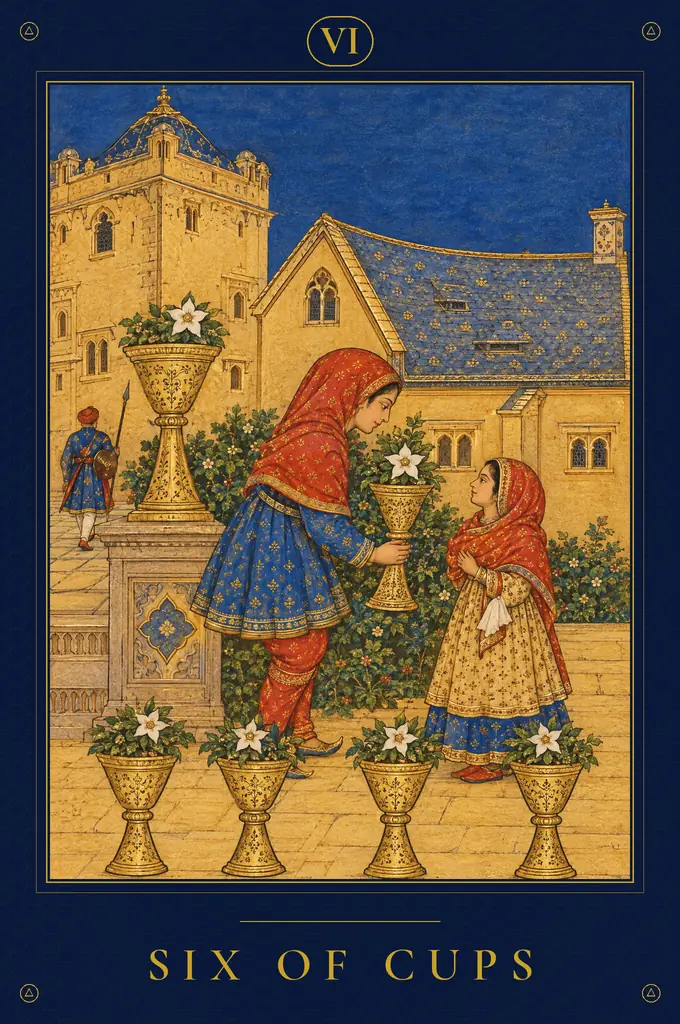
The Six of Cups tarot card means memory and simple kindness: the past returning as a gift. In the courtyard of an old manor a boy hands a smaller girl a cup filled with a white star-shaped flower; four more flowered cups stand in front and one on a stone pedestal, while a guard walks away behind them. Upright it is childhood and homecoming; reversed, in Waite's reading, it turns to the future and renewal.

प्यालों का छह (Six of Cups) टैरो कार्ड का अर्थ है स्मृति और सरल करुणा: उपहार बनकर लौटता अतीत। एक पुरानी हवेली के आँगन में एक बालक एक छोटी बालिका को श्वेत तारे-जैसे फूल से भरा प्याला दे रहा है। सामने फूलों भरे चार और प्याले खड़े हैं और एक पत्थर की चौकी पर रखा है, जबकि पीछे एक प्रहरी दूर जा रहा है। सीधा आने पर यह कार्ड बचपन और घर-वापसी का संकेत है। उलटा आने पर, वेट के अनुसार, यह भविष्य और नवीनीकरण की ओर मुड़ता है।

Numeral VIElement WaterAstrology Sun in Scorpio (Golden Dawn decan, Lord of Pleasure); suit element WaterHebrew letter Heh (suit letter)Yes or no Yes, gently
Six of Cups, TarotPandit deck
1 of 7 · The boy

Tap a number on the card, or open a lesson. The TarotPandit deck keeps the 1909 composition exactly, redrawn as an Indian miniature.

The card, element by element
What it isयह क्या है

The taller child, in a red hood, a blue tunic patterned with small gold motifs and red leggings, bends forward toward the girl, his face close to hers.

बड़ा बच्चा, लाल कनटोप, छोटे सुनहरे अलंकरणों वाला नीला अंगरखा और लाल पाजामा पहने, बालिका की ओर आगे झुकता है, उसका चेहरा उसके चेहरे के निकट।

What it denotesयह क्या दर्शाता है

The one who gives from a place of greater strength, and stoops to do it. Kindness here comes down to meet another at their own height, with nothing lofty about it.

वह जो अधिक सामर्थ्य की स्थिति से देता है, और देने के लिए झुकता है। यहाँ करुणा दूसरे से उसकी अपनी ऊँचाई पर मिलने के लिए नीचे आती है, उसमें ऊपर से दिए दान का भाव नहीं।

The hoodकनटोप

Red, the warm colour of the heart, worn by both children: giver and receiver share one nature.

लाल, हृदय का ऊष्म रंग, जिसे दोनों बच्चे पहने हैं: देने वाला और पाने वाला एक ही स्वभाव के हैं।

Sourceस्रोत

Pictorial Key, 1910: children in an old garden. The detail of dress follows this painting.

पिक्टोरियल की, 1910: एक पुराने उद्यान में बच्चे। वस्त्रों का विवरण इस चित्र के अनुसार।

Reading tipपाठ-संकेत

When the boy stands for the querent, they are in a position to give something simple and sincere. Reversed, giving has become nostalgic performance. Offer something useful for the present, and leave the keepsakes of the past where they are.

जब बालक प्रश्नकर्ता का प्रतिनिधित्व करे, तो वे कुछ सरल और सच्चा देने की स्थिति में हैं। उलटा आने पर देना अतीत-मोह का प्रदर्शन बन गया है। वर्तमान के लिए कुछ उपयोगी अर्पित कीजिए, और अतीत की निशानियों को उनकी जगह रहने दीजिए।
बालक झुककर देता है। सच्ची करुणा दूसरे से उसकी अपनी ऊँचाई पर मिलती है।
What it isयह क्या है

A golden cup held in both his hands, filled with green leaves and a single white flower of five pointed petals, offered at the height of the girl's face.

दोनों हाथों में थामा एक सुनहरा प्याला, हरी पत्तियों और पाँच नुकीली पंखुड़ियों वाले एक श्वेत फूल से भरा, बालिका के चेहरे की ऊँचाई पर अर्पित।

What it denotesयह क्या दर्शाता है

A gift from the heart, small and complete. The cup holds a flower where wine might be: affection without intoxication, pleasure without excess.

हृदय से दिया गया उपहार, छोटा और पूर्ण। इसमें मदिरा नहीं, फूल है: मादकता के बिना स्नेह, अति के बिना सुख।

The white flowerश्वेत फूल

Star-shaped and white, repeated in every cup: purity and innocence. Some teachers name a species, but the painting shows only a five-pointed white bloom.

तारे के आकार का और श्वेत, हर प्याले में दोहराया गया: शुद्धता और निश्छलता। कुछ शिक्षक किसी प्रजाति का नाम लेते हैं, पर चित्र केवल पाँच नोकों वाला श्वेत पुष्प दिखाता है।

Sourceस्रोत

Pictorial Key, 1910: their cups filled with flowers.

पिक्टोरियल की, 1910: उनके प्याले फूलों से भरे हैं।

Reading tipपाठ-संकेत

A sincere gesture, or a gift from someone who knew you long ago. When the card is reversed the hands are moving forward in time; accept the past's gift and then put it to work in a new setting.

कोई सच्ची भंगिमा, या किसी ऐसे व्यक्ति से उपहार जो आपको बहुत पहले से जानता था। उलटा आने पर हाथ समय में आगे बढ़ रहे हैं। अतीत का उपहार स्वीकार कीजिए और फिर उसे नए परिवेश में काम में लाइए।

प्याले में मदिरा की जगह फूल है। यह मादकता के बिना स्नेह है, अति के बिना सुख।
What it isयह क्या है

A small girl in a cream frock patterned in gold with a blue hem, a red head-covering, holding a white cloth in her hands and gazing up at the boy.

स्वर्ण-आकृतियों और नीली किनारी वाले क्रीम फ़्रॉक में एक छोटी बालिका, सिर पर लाल ओढ़नी, हाथों में श्वेत वस्त्र लिए, बालक की ओर ऊपर देखती हुई।

What it denotesयह क्या दर्शाता है

Receiving with trust. She does not hesitate or calculate; she simply looks up. The querent can receive in the same open way.

विश्वास के साथ ग्रहण करना। वह न हिचकती है, न हिसाब लगाती है। वह बस ऊपर देखती है। प्रश्नकर्ता भी इसी खुलेपन से ग्रहण कर सकते हैं।

The white clothश्वेत वस्त्र

White linen in her hands, a detail of the composition: clean hands ready to take the gift.

उसके हाथों में श्वेत वस्त्र, रचना का एक विवरण: उपहार लेने को तैयार स्वच्छ हाथ।

Sourceस्रोत

Pictorial Key, 1910, for the children. Reading her look as trust is a later teaching.

पिक्टोरियल की, 1910, बच्चों के लिए। उसकी दृष्टि में विश्वास देखना बाद की शिक्षा है।

Reading tipपाठ-संकेत

If the querent finds it hard to accept help, the girl models the way. Reversed, she is growing up; let old roles change and meet the person as they are now.

यदि प्रश्नकर्ता को सहायता स्वीकार करना कठिन लगता है, तो बालिका राह दिखाती है। उलटा आने पर वह बड़ी हो रही है। पुरानी भूमिकाएँ बदलने दीजिए और व्यक्ति से वैसे मिलिए जैसा वह अब है।

बालिका हिचकती नहीं, बस ऊपर देखती है। विश्वास के साथ ग्रहण करना भी एक साधना है।
What it isयह क्या है

Four golden cups stand in a row on the yellow paving at the front, each filled with leaves and one white star-shaped flower.

आगे पीले फ़र्श पर चार सुनहरे प्याले एक पंक्ति में खड़े हैं, हर एक पत्तियों और एक श्वेत तारे-जैसे फूल से भरा।

What it denotesयह क्या दर्शाता है

The store of good memories, laid out within reach. They are many and they are alike, as happy days in childhood often seem.

अच्छी स्मृतियों का भंडार, पहुँच के भीतर रखा हुआ। वे अनेक हैं और एक जैसी हैं, जैसे बचपन के सुखी दिन प्रायः लगते हैं।

The countगिनती

Four here, one in the boy's hands, one on the pedestal: six in all, as the card's number requires.

यहाँ चार, एक बालक के हाथों में, एक चौकी पर: कुल छह, जैसा कार्ड की संख्या चाहती है।

Sourceस्रोत

The arrangement follows the 1909 composition; Waite mentions only cups filled with flowers.

व्यवस्था 1909 की रचना के अनुसार है। वेट केवल फूलों से भरे प्यालों का उल्लेख करते हैं।

Reading tipपाठ-संकेत

When memory is the theme, the four cups say there is more goodness in the querent's past than they currently recall. Reversed, the row points forward; take one lesson from those days into a plan for the coming months.

जब स्मृति विषय हो, तो चार प्याले कहते हैं कि प्रश्नकर्ता के अतीत में उससे अधिक अच्छाई है जितनी उन्हें अभी याद है। उलटा आने पर पंक्ति आगे की ओर संकेत करती है। उन दिनों की एक सीख आने वाले महीनों की योजना में ले जाइए।

सामने के चार प्याले अच्छी स्मृतियों का भंडार हैं, पहुँच के भीतर रखा हुआ, जितना हमें याद है उससे अधिक।
What it isयह क्या है

The sixth golden cup, also holding a white flower, stands on a square stone pedestal whose face carries a carved blue diamond panel.

छठा सुनहरा प्याला, वह भी श्वेत फूल लिए, एक चौकोर पत्थर की चौकी पर खड़ा है, जिसके मुख पर नीले हीरे के आकार का नक्काशीदार फलक है।

What it denotesयह क्या दर्शाता है

A memory set apart and honoured, perhaps an heirloom or a family tradition. Raised above the others, it is the past kept as a monument.

अलग रखी और सम्मानित एक स्मृति, संभवतः कोई कुल-धरोहर या पारिवारिक परंपरा। बाकियों से ऊपर उठा, यह स्मारक के रूप में रखा गया अतीत है।

The stoneपत्थर

Pale carved stone: what has been made permanent. The risk of every pedestal is that it becomes an altar to what is gone.

हल्का नक्काशीदार पत्थर: जिसे स्थायी बना दिया गया। हर चौकी का जोखिम यह है कि वह लुप्त वस्तु की वेदी बन जाए।

Sourceस्रोत

The pedestal follows the 1909 composition, and its meaning comes from later reading.

चौकी 1909 की रचना के अनुसार है, और इसका अर्थ बाद की व्याख्या से आता है।

Reading tipपाठ-संकेत

In family questions, the pedestal cup is the tradition or inheritance that shapes the querent. Reversed, the monument may be holding them back; honour it, then decide what to carry forward and what to leave on the stone.

पारिवारिक प्रश्नों में चौकी का प्याला वह परंपरा या विरासत है जो प्रश्नकर्ता को आकार देती है। उलटा आने पर स्मारक उन्हें रोक रहा हो सकता है। उसका सम्मान कीजिए, फिर तय कीजिए कि क्या आगे ले जाना है और क्या पत्थर पर छोड़ना है।

चौकी पर रखा प्याला सम्मानित स्मृति है। पर हर चौकी के साथ यह जोखिम है कि वह बीते हुए की वेदी बन जाए।
What it isयह क्या है

A small figure in blue and red, wearing a red turban and carrying a spear and shield, walks away from the children along the paved path at the far left.

नीले और लाल में एक छोटी आकृति, लाल पगड़ी पहने, भाला और ढाल लिए, सुदूर बाईं ओर पक्के मार्ग पर बच्चों से दूर जाती है।

What it denotesयह क्या दर्शाता है

Protection that is no longer needed here, or the adult world turning its back. The children are safe enough to be left alone in the courtyard.

ऐसी सुरक्षा जिसकी यहाँ अब आवश्यकता नहीं, या पीठ फेरता वयस्कों का संसार। बच्चे इतने सुरक्षित हैं कि उन्हें आँगन में अकेला छोड़ा जा सके।

Walking awayदूर जाना

His back is to us and to them. Many teachers see him as time itself, moving on while the scene stays in memory.

उसकी पीठ हमारी और उनकी ओर है। कई शिक्षक उसमें स्वयं समय को देखते हैं, जो आगे बढ़ जाता है जबकि दृश्य स्मृति में ठहरा रहता है।

Sourceस्रोत

The guard follows the 1909 composition. Waite does not describe him, so what he means comes from later teachers.

प्रहरी 1909 की रचना के अनुसार है। वेट उसका वर्णन नहीं करते, इसलिए उसका अर्थ बाद के शिक्षकों ने बताया है।

Reading tipपाठ-संकेत

If the querent feels unprotected, the guard says the danger has passed and the space is safe. Reversed, follow him: time is moving, so step out of the courtyard into the present.

यदि प्रश्नकर्ता असुरक्षित अनुभव करते हैं, तो प्रहरी कहता है कि संकट बीत चुका है और स्थान सुरक्षित है। उलटा आने पर उसके पीछे चलिए: समय आगे बढ़ रहा है, इसलिए आँगन से निकलकर वर्तमान में आइए।

प्रहरी दूर जा रहा है क्योंकि आँगन सुरक्षित है। समय की तरह वह आगे बढ़ता है, जबकि दृश्य स्मृति में ठहरा रहता है।
What it isयह क्या है

A tall tower of yellow stone with a blue domed roof rises at the left, and beside it a house with a steep blue tiled roof and arched windows encloses the courtyard. Flowering shrubs grow against its walls.

बाईं ओर नीली गुंबदाकार छत वाला पीले पत्थर का एक ऊँचा बुर्ज उठता है, और उसके पास खड़ी नीली खपरैल की छत तथा मेहराबदार खिड़कियों वाला एक घर आँगन को घेरता है। उसकी दीवारों के सहारे फूलदार झाड़ियाँ उगी हैं।

What it denotesयह क्या दर्शाता है

The family home, the ancestral place, the shelter of early life. Waite speaks of an old garden: the past as an enclosed and protected ground.

पारिवारिक घर, पैतृक स्थान, आरंभिक जीवन का आश्रय। वेट एक पुराने उद्यान की बात करते हैं: अतीत एक घिरी और सुरक्षित भूमि के रूप में।

Another readingदूसरा पाठ

Waite records a second reading in which the children play in an unfamiliar precinct, meaning new relations, new knowledge and a new environment.

वेट एक दूसरा पाठ भी अंकित करते हैं जिसमें बच्चे किसी अपरिचित परिसर में खेलते हैं, जिसका अर्थ है नए संबंध, नया ज्ञान और नया परिवेश।

Sourceस्रोत

Pictorial Key, 1910: children in an old garden; the alternative reading of the unfamiliar precinct is Waite's own.

पिक्टोरियल की, 1910: एक पुराने उद्यान में बच्चे। अपरिचित परिसर वाला वैकल्पिक अर्थ स्वयं वेट का है।

Reading tipपाठ-संकेत

In questions of home or relocation, the manor may be the family house or a new place that feels like one. Reversed, the old walls are being left behind; carry the warmth with you and build it anew.

घर या स्थान-परिवर्तन के प्रश्नों में हवेली पारिवारिक घर हो सकती है, या कोई नया स्थान जो वैसा ही लगे। उलटा आने पर पुरानी दीवारें पीछे छूट रही हैं। ऊष्मा साथ ले जाइए और उसे नए सिरे से बसाइए।

पुरानी हवेली आरंभिक जीवन का आश्रय है। वेट के दूसरे अर्थ में वही आँगन नया परिवेश भी बन सकता है।
Key takeaways
  • Six cups are painted, all filled with the same white flower: one being handed over, four on the ground in front, one on the pedestal behind.छह प्याले चित्रित हैं, सब एक ही श्वेत फूल से भरे: एक सौंपा जा रहा है, चार सामने भूमि पर, एक पीछे चौकी पर।
  • Waite calls it a card of the past and of memories: happiness that comes rather from the past, things that have vanished.वेट इसे अतीत और स्मृतियों का कार्ड कहते हैं: ऐसा सुख जो अतीत से आता है, वे वस्तुएँ जो लुप्त हो चुकी हैं।
  • Memory, childhood, innocent kindness. For the reversal Waite gives the future, renewal and what will soon come to pass.स्मृति, बचपन, निश्छल करुणा। उलटे कार्ड के लिए वेट भविष्य, नवीनीकरण और शीघ्र घटित होने वाली बातें बताते हैं।
  • Waite notes another reading that turns the card toward new relations and a new environment; the course gives the memory reading first.वेट एक दूसरा अर्थ भी बताते हैं जो कार्ड को नए संबंधों और नए परिवेश की ओर मोड़ता है। पाठ्यक्रम पहले स्मृति वाला अर्थ देता है।
Keywords

Upright: memory, childhood, innocent kindness, a gift from the past, homecoming

Reversed: the future, renewal, what is soon to come, leaving the past behind, nostalgia outgrown

Kindness offered without calculation, the way children give. The past is a sheltered courtyard, and from it a flower is handed forward.

बिना हिसाब के अर्पित करुणा, जैसे बच्चे देते हैं। अतीत एक सुरक्षित आँगन है, और उससे एक फूल आगे बढ़ाया जाता है।

In the five areas of life

Six of Cups in your life

What this card says when the question is about money, marriage, work, the body, or the road itself. Finance is open to everyone; the other four belong to Premium.

जब प्रश्न धन, विवाह, काम, शरीर या स्वयं जीवन-पथ का हो, तब यह कार्ड क्या कहता है। धन सबके लिए खुला है; शेष चार प्रीमियम के लिए हैं।

Quick answerत्वरित उत्तर
Yes, gentlyReversed: Yes, with your eyes on what comes next
The numberअंक
6 · ShatSix restores harmony after the disturbance of five: balance, exchange, kindness given and returned. In Cups it is the sweetness of simple affection.
Date of birth
क्या यह आपका जन्म-कार्ड है?">
Free to check. Premium keeps your birth card and year card profile.
₹FinanceधनFree sample
Uprightसीधा

Money touched by family and memory: a gift from a relative, an inheritance of modest size, an old debt repaid, or help from someone who has known you a long time. Exchanges are kind and unhurried, with little shrewdness in them. It is a good moment to repay a favour or support a younger family member in a small, practical way.

परिवार और स्मृति से जुड़ा धन: किसी संबंधी से उपहार, साधारण आकार की विरासत, चुकाया गया पुराना ऋण, या किसी ऐसे व्यक्ति से सहायता जो आपको लंबे समय से जानता है। आदान-प्रदान स्नेहपूर्ण और धीमे हैं, उनमें चतुराई कम है। किसी उपकार को लौटाने या परिवार के किसी छोटे सदस्य को छोटे, व्यावहारिक रूप में सहारा देने का यह अच्छा समय है।

Reversedउलटा

Old financial habits no longer serve. Look forward: plan for future security instead of relying on family support or the way things used to be done.

पुरानी आर्थिक आदतें अब काम की नहीं। आगे देखिए: परिवार के सहारे या पुराने ढंग पर निर्भर रहने के बजाय भविष्य की सुरक्षा की योजना बनाइए।

Avoidबचिए

Spending on nostalgia you cannot afford.

ऐसी अतीत-स्मृति पर खर्च करना जिसकी सामर्थ्य नहीं।

Try insteadइसके स्थान पर

Repay one small debt or favour from the past this month.

इस महीने अतीत का एक छोटा ऋण या उपकार चुकाइए।

❖Married life and relationshipsवैवाहिक जीवन और संबंधPremium
Uprightसीधा

Tenderness and familiarity. For the married, a season of sweetness that recalls early days together, perhaps a visit to where you met.

कोमलता और आत्मीयता। विवाहितों के लिए, मिठास की ऐसी ऋतु जो साथ के आरंभिक दिनों का स्मरण कराए, संभवतः उस स्थान की यात्रा जहाँ आप मिले थे।

Unlock with Premium
◈Business and careerव्यवसाय और करियरPremium
Uprightसीधा

Your past experience becomes valuable again.

आपका पुराना अनुभव फिर मूल्यवान बनता है।

Unlock with Premium
✚Healthस्वास्थ्यPremium
Uprightसीधा

Comfort and gentle restoration. Familiar routines, home-cooked food, time with family and activities you loved as a child support well-being now.

सांत्वना और कोमल पुनर्स्थापना। परिचित दिनचर्या, घर का बना भोजन, परिवार के साथ समय, और ऐसी गतिविधियाँ जो बचपन में प्रिय थीं, अभी कल्याण को सहारा देती हैं।

Tarot points your attention; it does not diagnose. For any symptom, see a qualified doctor.

Unlock with Premium
☉The life pathजीवन-पथPremium
Uprightसीधा

The roots of your path lie in early life.

आपके मार्ग की जड़ें आरंभिक जीवन में हैं।

Unlock with Premium
Premium
All five areas on all 78 cards

Unlimited readings, the five areas under every card, your birth card and year card profile, reading history, a sealed PDF of every reading and your daily card on WhatsApp.

₹299
a month, or ₹1,999 a yearUnlock Premium
Upright

Six of Cups upright meaning

In the courtyard of an old manor a boy bends to hand a small girl a cup filled with white star-shaped flowers. The Six of Cups upright is the past returning with tenderness. Waite calls it a card of memories, of looking back on childhood, of happiness that comes rather from the past and of things that have vanished. In practice it can bring an old friend back into contact, a visit to a childhood home, a gift from family, or simply the comfort of remembering who you were before life grew complicated. It also speaks of innocent kindness in the present: help given freely, without calculation. Let the memory warm you and soften how you treat others now, and leave the present free to be itself.

एक पुरानी हवेली के आँगन में एक बालक झुककर छोटी बालिका को श्वेत तारे-जैसे फूलों से भरा प्याला दे रहा है। सीधा आने पर प्यालों का छह कोमलता के साथ लौटते अतीत का संकेत है। वेट इसे स्मृतियों का कार्ड कहते हैं, बचपन की ओर पीछे देखने का, ऐसे सुख का जो अतीत से आता है, और उन वस्तुओं का जो लुप्त हो चुकी हैं। व्यवहार में यह किसी पुराने मित्र को फिर संपर्क में ला सकता है, बचपन के घर की यात्रा करा सकता है, परिवार से उपहार दिला सकता है, या केवल यह स्मरण करने की सांत्वना दे सकता है कि जीवन जटिल होने से पहले आप कौन थे। यह वर्तमान में निश्छल करुणा की बात भी करता है: बिना हिसाब के मुक्त भाव से दी गई सहायता। स्मृति को आपको ऊष्मा देने दीजिए और दूसरों के साथ आपके आज के व्यवहार को कोमल बनाने दीजिए, पर वर्तमान को उसका अपना रूप रखने दीजिए।

Reversed

Six of Cups reversed meaning

Upside down, the Six of Cups turns in Waite's reading toward the future: renewal, and that which will come to pass presently. The gaze shifts from what was to what is arriving. Many modern readers take the reversal the other way, as being stuck in the past, idealising old times or clinging to childhood roles; if that fits the question, read it so. Both readings share one lesson. Memory is a gift to use, and nobody can live inside it. Take the warmth and wisdom of earlier days and invest them in something new that is beginning now.

उलटा आने पर प्यालों का छह, वेट के अनुसार, भविष्य की ओर मुड़ता है: नवीनीकरण, और वह जो शीघ्र घटित होगा। दृष्टि जो था उससे हटकर जो आ रहा है उस पर जाती है। आज के बहुत से पाठक उलटे कार्ड को दूसरी दिशा में पढ़ते हैं: अतीत में अटके रहना, पुराने दिनों का आदर्शीकरण, या बचपन की भूमिकाओं से चिपके रहना। यदि वह अर्थ प्रश्न पर ठीक बैठे, तो वैसा ही पढ़िए। दोनों अर्थों की एक ही सीख है। स्मृति काम में लाने का उपहार है, उसके भीतर कोई रह नहीं सकता। पहले के दिनों की ऊष्मा और विवेक लेकर उन्हें किसी ऐसे नए काम में लगाइए जो अभी आरंभ हो रहा है।

In position

Reading Six of Cups by question

Loveप्रेम

A childhood sweetheart, an old flame returning, or affection that feels innocent and safe; as feelings, fondness and tenderness. Reversed: looking forward to a new relationship, or letting go of an idealised past one.

बचपन का प्रेम, लौटता पुराना प्रेम, या ऐसा स्नेह जो निश्छल और सुरक्षित लगे। भावनाओं में अनुराग और कोमलता। उलटा: नए संबंध की ओर देखना, या किसी आदर्शीकृत पुराने संबंध को छोड़ना।

Careerकरियर

Returning to a former field, using a skill learned long ago, or work with children, heritage or care. Reversed: a fresh start in a new environment.

किसी पुराने क्षेत्र में लौटना, बहुत पहले सीखे कौशल का उपयोग, या बच्चों, विरासत या सेवा से जुड़ा काम। उलटा: नए परिवेश में नया आरंभ।

Moneyधन

Help from family, a gift or an old debt repaid; modest and kindly exchanges. Reversed: plans for future security replace reliance on the past.

परिवार से सहायता, कोई उपहार, या पुराना ऋण चुकाया जाना, यानी सादा और स्नेहपूर्ण आदान-प्रदान। उलटा: अतीत पर निर्भरता की जगह भविष्य की सुरक्षा की योजनाएँ।

Healthस्वास्थ्य

Comfort from familiar routines and people; gentle activities you enjoyed as a child. Reversed: a new routine to replace an outgrown one.

परिचित दिनचर्या और लोगों से सांत्वना, और ऐसी कोमल गतिविधियाँ जो बचपन में प्रिय थीं। उलटा: पीछे छूटी दिनचर्या की जगह एक नई दिनचर्या।

Tarot points your attention; it does not diagnose. For any symptom, see a qualified doctor.

Spiritualआध्यात्मिक

Childlike faith and simple devotion; returning to the practices of one's family. Reversed: the inherited path renewed in your own words.

बालसुलभ श्रद्धा और सरल भक्ति, अपने परिवार की साधनाओं पर लौटना। उलटा: विरासत में मिला मार्ग, जिसे आप अपने शब्दों में नया करते हैं।

ElementWater
AstrologySun in Scorpio (Golden Dawn decan, Lord of Pleasure)
Hebrew letterHeh (suit letter)
Numerology6, Shat: harmony and kindly exchange
TimingThe second decan of Scorpio, roughly the first half of November; anniversaries and returns
Yes or noYes
The Vedic bridge

An interpretive parallel between two traditions, offered as a teaching aid. It is not a scriptural citation, and neither tradition is said to describe the other.

The Bhagavata tradition tells of Sudama, Krishna's poor childhood friend, who came to Dwaraka carrying only a small bundle of beaten rice and was received with tears of joy. The gift was small, and the memory of a shared childhood made it precious. The flowers in these cups carry the same spirit. Smriti, memory, and samskara, the impressions left by early life, shape who we become.

भागवत परंपरा सुदामा की कथा कहती है, कृष्ण के निर्धन बाल-सखा, जो केवल चिउड़े की एक छोटी पोटली लेकर द्वारका आए और जिनका स्वागत आनंद के आँसुओं से हुआ। उपहार छोटा था, पर साझे बचपन की स्मृति ने उसे बहुमूल्य बना दिया। इन प्यालों में रखे फूल उसी भाव को लिए हैं। स्मृति, और संस्कार, अर्थात आरंभिक जीवन की छापें, यह गढ़ती हैं कि हम क्या बनते हैं।

Combinations

Six of Cups with other cards

Six of Cups + The Sun

The Six of Cups with the Sun: childhood joy in full light. Happiness, play and a reunion that feels effortless.

प्यालों का छह सूर्य के साथ: पूरे प्रकाश में बचपन का आनंद। सुख, खेल और ऐसा पुनर्मिलन जो सहज लगे।

Six of Cups + Ten of Cups

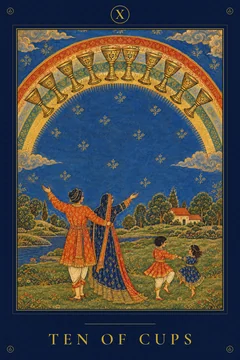
With the Ten of Cups: family happiness across generations. The courtyard of the past grows into the home of the present.

प्यालों के दस के साथ: पीढ़ियों तक फैला पारिवारिक सुख। अतीत का आँगन वर्तमान का घर बन जाता है।

Six of Cups + The Moon

With the Moon: memory clouded by longing. Check that the past you miss is the past that actually happened.

चंद्रमा के साथ: लालसा से धुँधली स्मृति। जाँचिए कि जिस अतीत की याद आती है, क्या वही अतीत सचमुच घटा था।

Six of Cups + Page of Cups

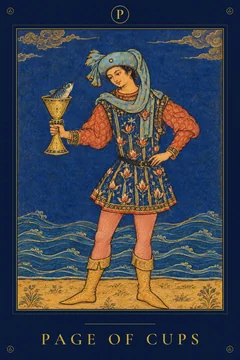
With the Page of Cups: a tender message from the past, or a young person who brings out your gentleness.

प्यालों के प्यादे के साथ: अतीत से आया कोमल संदेश, या कोई युवा व्यक्ति जो आपकी कोमलता को बाहर लाए।

FAQ

Questions about Six of Cups

What does the Six of Cups tarot card mean?

Memory, childhood and simple kindness. Waite calls it a card of the past and of memories, happiness that comes rather from the past. It can bring old friends back, family gifts, or the comfort of remembering.

स्मृति, बचपन और सरल करुणा। वेट इसे अतीत और स्मृतियों का कार्ड कहते हैं, ऐसा सुख जो अतीत से आता है। यह पुराने मित्रों को लौटा सकता है, पारिवारिक उपहार ला सकता है, या स्मरण की सांत्वना दे सकता है।

Is the Six of Cups a yes or no?

Upright, a gentle yes, especially for reconnection and matters involving family. Reversed, still yes in Waite's sense of what will soon come to pass, provided you look forward.

सीधा आने पर कोमल हाँ, विशेषकर पुनः जुड़ने और परिवार से जुड़े विषयों में। उलटा आने पर भी हाँ, वेट के उस अर्थ में कि कुछ शीघ्र घटित होगा, बशर्ते आप आगे देखें।

What does the Six of Cups reversed mean?

Waite gives the future, renewal and that which will come to pass presently. Many modern readers take it instead as clinging to the past. Either way, use memory as a gift for what is beginning now.

वेट इसका अर्थ भविष्य, नवीनीकरण और शीघ्र घटित होने वाली बातें बताते हैं। आज के बहुत से पाठक इसे अतीत से चिपके रहना मानते हैं। दोनों ही दशाओं में स्मृति को उस काम के लिए उपहार की तरह बरतिए जो अभी आरंभ हो रहा है।

What does the Six of Cups mean as feelings?

Fondness, tenderness and a sense of comfort with you, often linked to shared history. The person may think of you with nostalgia. Reversed, they are ready to move forward and leave the old days behind.

अनुराग, कोमलता और आपके साथ सहजता का भाव, प्रायः साझे इतिहास से जुड़ा। व्यक्ति आपको स्मृति-भाव से याद कर सकता है। उलटा आने पर वह पुराने दिनों को पीछे छोड़कर आगे बढ़ने को तैयार है।

Why are the cups on the Six of Cups filled with flowers?

Waite describes children in an old garden with cups filled with flowers. Flowers instead of wine suggest affection without intoxication and pleasure without excess: the innocent sweetness of early life.

वेट एक पुराने उद्यान में बच्चों का वर्णन करते हैं जिनके प्याले फूलों से भरे हैं। मदिरा के स्थान पर फूल मादकता के बिना स्नेह और अति के बिना सुख का संकेत देते हैं: आरंभिक जीवन की निश्छल मिठास।

Draw this card
See where Six of Cups falls in your own spread

Free, bilingual, three readings a day.

Draw your cards
Related cards

Sources: A. E. Waite, The Pictorial Key to the Tarot (1910); Golden Dawn attributions (Sun in Scorpio, Lord of Pleasure; Heh as suit letter); The 1909 Smith-Waite plate, Pamela Colman Smith