TarotPanditby Pandit Rahul Kaushl
Major Arcana · III
Cards › Major Arcana › The Empress

The Empress साम्राज्ञी

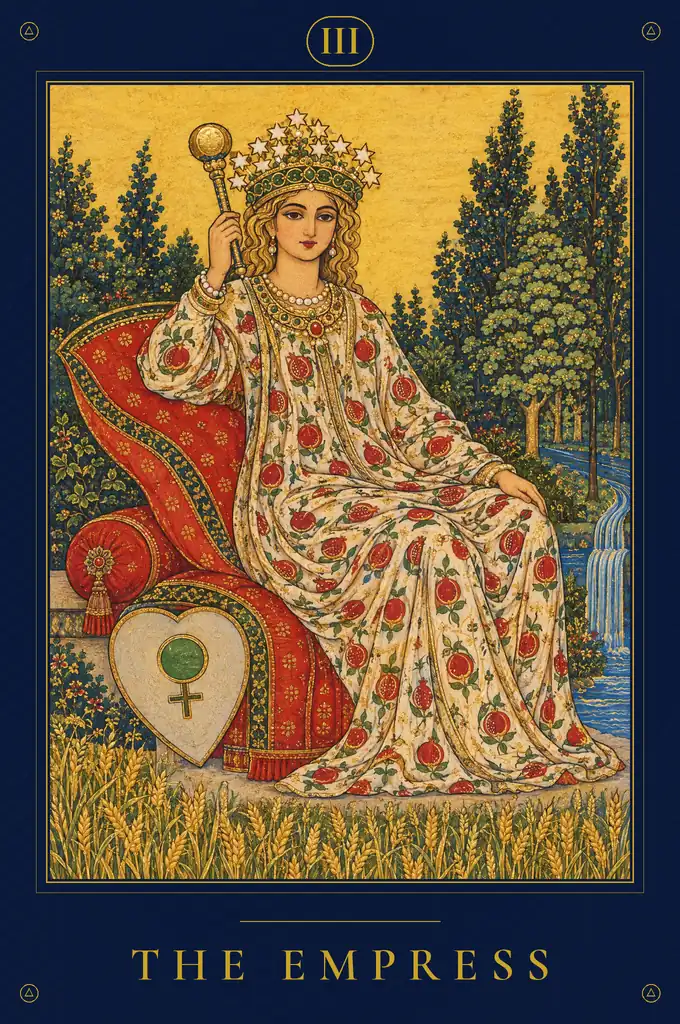
The Empress tarot card means abundance made visible: fertility, nurture and creation. Card III shows a woman on a cushioned throne in a field of ripe wheat, a crown of twelve stars on her head, a sceptre raised in her right hand, a heart-shaped shield marked with the sign of Venus at her feet, and a waterfall behind her. Upright it is growth and generous care; reversed, creativity blocked or care that smothers.

साम्राज्ञी (The Empress) टैरो कार्ड का अर्थ है दृश्य बनी हुई समृद्धि: उर्वरता, पोषण और सृजन। तीसरे कार्ड पर एक स्त्री पके गेहूँ के खेत में गद्देदार सिंहासन पर बैठी है। सिर पर बारह तारों का मुकुट है, दाहिने हाथ में उठा राजदंड, पाँवों के पास शुक्र-चिह्न वाली हृदयाकार ढाल, और पीछे एक जलप्रपात। सीधा आने पर यह वृद्धि और उदार देखभाल है, उलटा आने पर रुकी हुई सृजनशीलता या ऐसी देखभाल जो दम घोंटने लगी है।

Numeral IIIElement EarthAstrology Venus (Golden Dawn attribution)Hebrew letter DalethYes or no Yes, and generously
The Empress, TarotPandit deck
1 of 8 · The Empress herself

Tap a number on the card, or open a lesson. The TarotPandit deck keeps the 1909 composition exactly, redrawn as an Indian miniature.

The card, element by element
What it isयह क्या है

A woman with loose golden hair seated on a red cushioned throne, leaning slightly back, one hand raised with a sceptre and the other resting open on her knee. A string of pearls at her throat. Waite: a stately figure, seated, having rich vestments and royal aspect, as of a daughter of heaven and earth.

खुले सुनहरे केशों वाली एक स्त्री लाल गद्देदार सिंहासन पर बैठी, थोड़ा पीछे टिकी, एक हाथ राजदंड सहित उठा और दूसरा घुटने पर खुला टिका। गले में मोतियों की माला। वेट: एक प्रतापी आकृति, बैठी हुई, समृद्ध वस्त्रों और राजसी भाव सहित, मानो स्वर्ग और पृथ्वी की पुत्री।

What it denotesयह क्या दर्शाता है

Nature in her generous aspect. Waite names her universal fecundity and the fruitful mother of thousands, the Earthly Paradise and the visible house of man. She is creation that has already happened and is still happening: the garden, the harvest, the body, the home. Where the Priestess knows, the Empress makes.

अपने उदार रूप में प्रकृति। वेट उसे सार्वभौमिक उर्वरता और सहस्रों की फलवती माता कहते हैं, पार्थिव स्वर्ग और मनुष्य का दृश्य घर। वह सृजन है जो हो चुका है और अब भी हो रहा है: उद्यान, फ़सल, देह, घर। पुजारिन जहाँ जानती है, साम्राज्ञी वहाँ रचती है।

The easeसहजता

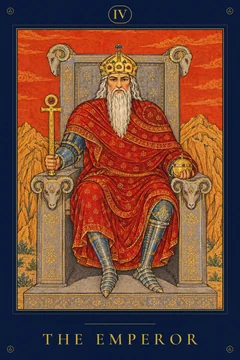
She is the only enthroned figure in the first row who leans back. The Emperor sits upright, the Hierophant formally; she reclines, because her authority holds itself in place. Growth costs her no effort. It is her nature.

पहली पंक्ति की सिंहासनारूढ़ आकृतियों में अकेली वही पीछे टिकी है। सम्राट सीधा बैठता है, धर्माचार्य औपचारिक मुद्रा में। वह विश्राम में है, क्योंकि उसका अधिकार अपने आप टिका रहता है। वृद्धि के लिए उसे कोई प्रयास नहीं करना पड़ता, वह उसका स्वभाव है।

Sourceस्रोत

A. E. Waite, The Pictorial Key to the Tarot, 1910. Golden Dawn: the Empress attributed to Daleth and Venus.

ए. ई. वेट, द पिक्टोरियल की टु द टैरो, 1910। गोल्डन डॉन: साम्राज्ञी को दालेथ अक्षर और शुक्र ग्रह से जोड़ा गया।

Reading tipपाठ-संकेत

Upright: something is growing and needs tending; forcing will only bruise it. Reversed: the querent is giving everyone else the harvest and keeping none. Ask who fed them last.

सीधा: कुछ उग रहा है और उसे देखभाल चाहिए, ज़ोर-ज़बरदस्ती से वह कुम्हला जाएगा। उलटा: प्रश्नकर्ता फ़सल सबको दे रहा है और अपने लिए कुछ नहीं रख रहा। पूछिए कि उन्हें अंतिम बार किसने खिलाया।
साम्राज्ञी पीछे टिकी बैठी है क्योंकि वृद्धि उसका प्रयास नहीं, स्वभाव है। वह सहस्रों की फलवती माता है, स्वर्ग और पृथ्वी की पुत्री।
What it isयह क्या है

A circlet of green leaves on her brow, and rising from it twelve white six-pointed stars set in a close arc. Waite: her diadem is of twelve stars, gathered in a cluster.

माथे पर हरी पत्तियों का घेरा, और उससे उठते बारह श्वेत षट्कोणीय तारे एक सघन चाप में सजे हुए। वेट: उसका मुकुट बारह तारों का है, एक गुच्छे में इकट्ठे।

What it denotesयह क्या दर्शाता है

The twelve signs of the zodiac and the twelve months: the whole year, worn as a crown. She rules time as a turning cycle of seasons. Waite notes that she has been described as the woman clothed with the sun, a reference to the twelve-starred figure of the Apocalypse, and he accepts the description with reservations.

राशिचक्र के बारह चिह्न और बारह मास: पूरा वर्ष, मुकुट की तरह पहना हुआ। वह समय पर ऋतुओं के घूमते चक्र की तरह शासन करती है। वेट लिखते हैं कि उसे सूर्य से वस्त्रित स्त्री कहा गया है, जो प्रकाशितवाक्य की बारह-तारों वाली आकृति का संदर्भ है, और वे इस वर्णन को सावधानी के साथ स्वीकार करते हैं।

The coloursरंग

White stars on green leaves: spirit crowning growth. The green wreath echoes the laurel the Fool wore, now earned.

हरी पत्तियों पर श्वेत तारे: वृद्धि को मुकुट पहनाती आत्मा। हरा घेरा उस लॉरेल की प्रतिध्वनि है जो मूर्ख ने पहना था, अब अर्जित।

Sourceस्रोत

Pictorial Key, 1910 ("her diadem is of twelve stars, gathered in a cluster").

पिक्टोरियल की, 1910 ("उसका मुकुट बारह तारों का है, एक गुच्छे में इकट्ठे")।

Reading tipपाठ-संकेत

In a timing question, the crown says: a full turn of the seasons. What is planted now will show in a year. Reversed, the querent is counting in days what the card counts in months.

समय के प्रश्न में मुकुट कहता है: ऋतुओं का पूरा चक्र। जो अभी बोया गया है वह एक वर्ष में दिखेगा। उलटा होने पर प्रश्नकर्ता उसे दिनों में गिन रहा है जिसे कार्ड महीनों में गिनता है।

बारह तारे, बारह राशियाँ, बारह मास: पूरा वर्ष मुकुट की तरह। वह समय पर ऋतुओं के चक्र के रूप में शासन करती है।
What it isयह क्या है

A short golden sceptre held upright in the right hand, its head a round golden orb. Waite: the sceptre which she bears is surmounted by the globe of this world.

दाहिने हाथ में सीधा थामा छोटा स्वर्ण राजदंड, जिसका शीर्ष एक गोल स्वर्ण गोला है। वेट: जो राजदंड वह धारण करती है उसके शीर्ष पर इस संसार का गोला है।

What it denotesयह क्या दर्शाता है

Rule over the material world, held lightly. The orb is the earth and the sceptre is the will that governs it. She raises the sceptre in her right hand, where the Emperor grips his ankh. Her authority rests on what she provides, so she never needs to press it.

भौतिक संसार पर अधिकार, हल्के हाथ से थामा हुआ। गोला पृथ्वी है और राजदंड वह इच्छा जो उस पर शासन करती है। वह राजदंड दाहिने हाथ में ऊपर उठाए है, जहाँ सम्राट अपना अंख कसकर पकड़ता है। उसका अधिकार उसकी दी हुई चीज़ों पर टिका है, इसलिए उसे कभी उसे थोपना नहीं पड़ता।

Right handदाहिना हाथ

The active side, as with the Magician's raised wand. The Empress acts by giving. Her left hand lies open on her knee, receiving nothing; in this picture she is the source.

सक्रिय पक्ष, जैसे जादूगर का उठा हुआ दंड। साम्राज्ञी देकर कर्म करती है। उसका बायाँ हाथ घुटने पर खुला पड़ा है और कुछ ग्रहण नहीं करता। इस चित्र में स्रोत वही है।

Sourceस्रोत

Pictorial Key, 1910 ("surmounted by the globe of this world").

पिक्टोरियल की, 1910 ("इस संसार के गोले से शीर्षित")।

Reading tipपाठ-संकेत

When the Empress falls in a position about authority or a boss, look at the sceptre: power exercised by providing. Reversed, the provider has begun to attach strings to every gift.

जब साम्राज्ञी अधिकार या किसी वरिष्ठ से जुड़े स्थान पर आए, तो राजदंड पढ़िए: शक्ति आदेश से नहीं, प्रदान करने से प्रयुक्त। उलटा होने पर प्रदाता ने उपहारों को दबाव की तरह उपयोग करना शुरू कर दिया है।

राजदंड पर संसार का गोला है, ऊपर उठा हुआ। उसका शासन दिखता है और किसी पर थोपा नहीं जाता: यह प्रदाता का अधिकार है।
What it isयह क्या है

A flowing cream gown, loose at the waist, covered in red pomegranates burst open to show their seeds, with green leaves between them. Gold bands at the neck and sleeves; the fabric spreads over the throne step and onto the ground.

बहता हुआ मलाई-रंग का ढीला वस्त्र, कमर पर खुला, जिस पर बीज दिखाते फटे लाल अनार और उनके बीच हरी पत्तियाँ हैं। गले और आस्तीनों पर स्वर्ण पट्टियाँ हैं, और कपड़ा सिंहासन की सीढ़ी से होकर भूमि तक फैलता है।

What it denotesयह क्या दर्शाता है

Fertility worn on the body. The pomegranate holds hundreds of seeds in one fruit: it is the sign of generative power, of many lives contained in one. The gown's looseness has long been read as the fullness of pregnancy, whether literal or creative; the card describes a person carrying something that will be born.

देह पर पहनी हुई उर्वरता। अनार एक फल में सैकड़ों बीज रखता है, इसलिए वह जनन-शक्ति का चिह्न है, एक में समाए अनेक जीवनों का। वस्त्र के ढीलेपन में लंबे समय से गर्भ की पूर्णता देखी गई है, चाहे शाब्दिक हो या सृजनात्मक। कार्ड ऐसे व्यक्ति का वर्णन करता है जो कुछ ऐसा धारण किए है जो जन्म लेगा।

Where it comes fromयह कहाँ से आता है

The same pomegranates hang on the veil behind the High Priestess. There they were a curtain over the hidden; here they are a garment on the visible. The fruit has come out from behind the veil and been put on.

यही अनार उच्च पुजारिन के पीछे के पर्दे पर लटकते हैं। वहाँ वे छिपे हुए थे और पर्दा बने थे, यहाँ वे खुले में हैं और वस्त्र बन गए हैं। फल पर्दे के पीछे से बाहर आया और पहन लिया गया।

The coloursरंग

Cream for purity, red for life, green for growth: the three colours of the fruit itself.

शुद्धता के लिए मलाई-रंग, जीवन के लिए लाल, वृद्धि के लिए हरा: स्वयं फल के तीन रंग।

Sourceस्रोत

Pictorial Key, 1910 ("rich vestments"); the pomegranate pattern follows the 1909 printing. Many readers see pregnancy in the loose robe, a reading Waite does not give.

पिक्टोरियल की, 1910 ("समृद्ध वस्त्र")। अनार का आलेख 1909 की छपाई का अनुसरण करता है। अनेक पाठक ढीले वस्त्र में गर्भ देखते हैं, पर यह अर्थ वेट ने नहीं दिया।

Reading tipपाठ-संकेत

In a creative question, the robe is the answer: the work is already conceived and growing; the task is patience and nourishment. Reversed, the querent has stopped feeding the thing they are carrying.

सृजन के प्रश्न में वस्त्र ही उत्तर है: कृति गर्भ में आ चुकी है और बढ़ रही है, अब धैर्य और पोषण का काम है। उलटा होने पर प्रश्नकर्ता ने उस चीज़ को पोषण देना बंद कर दिया है जिसे वे धारण किए हैं।

अनार एक फल में सैकड़ों बीज रखता है, और वह उसे वस्त्र की तरह पहनती है। जो पर्दे के पीछे था, वह अब देह पर है।
What it isयह क्या है

A pale heart-shaped shield resting against the throne at the lower left, bearing in its centre a green disc with a cross beneath it: the astrological sign of Venus. Waite: the symbol of Venus is on the shield which rests near her.

निचले बाएँ कोने में सिंहासन से टिकी हल्के रंग की हृदयाकार ढाल, जिसके केंद्र में नीचे क्रॉस सहित हरा वृत्त है: शुक्र का ज्योतिषीय चिह्न। वेट: शुक्र का प्रतीक उस ढाल पर है जो उसके पास टिकी है।

What it denotesयह क्या दर्शाता है

Love as protection. The shield is the instrument of defence, and she has marked it with the sign of love and set it down on the grass beside her. What protects her household is affection, beauty and the pleasure people take in being near her. The Golden Dawn gives the card to Venus, and here the attribution is painted.

प्रेम ही रक्षा है। ढाल बचाव का उपकरण है, और उसने उस पर प्रेम का चिह्न अंकित करके उसे पास की घास पर रख दिया है। उसके घर की रक्षा स्नेह, सौंदर्य और वह सुख करते हैं जो लोग उसके पास रहकर पाते हैं। गोल्डन डॉन इस कार्ड को शुक्र देता है, और यहाँ वह संबंध चित्र में उतरा है।

The signचिह्न

A circle over a cross: spirit above matter, the mirror of the goddess. The same glyph names copper and the planet that rules Taurus and Libra. In the Hierophant, card V, Venus rules through Taurus; here she rules in person.

क्रॉस के ऊपर वृत्त: पदार्थ के ऊपर आत्मा, देवी का दर्पण। यही चिह्न ताँबे का और उस ग्रह का नाम है जो वृष और तुला पर शासन करता है। पाँचवें कार्ड, धर्माचार्य, में शुक्र वृष के माध्यम से शासन करता है, जबकि यहाँ वह स्वयं शासन करती है।

Sourceस्रोत

Pictorial Key, 1910 ("the symbol of Venus is on the shield"). Golden Dawn: Daleth, Venus.

पिक्टोरियल की, 1910 ("शुक्र का प्रतीक ढाल पर है")। गोल्डन डॉन: दालेथ, शुक्र।

Reading tipपाठ-संकेत

In a love position, the shield is the plain message: the relationship is protected by warmth, and the querent does not need to defend it with argument. Reversed, love is being used as a shield against honesty.

प्रेम के स्थान पर ढाल सीधा संदेश है: संबंध की रक्षा ऊष्मा से हो रही है, और प्रश्नकर्ता को उसे तर्क से बचाने की आवश्यकता नहीं। उलटा होने पर प्रेम को ईमानदारी के विरुद्ध ढाल की तरह उपयोग किया जा रहा है।

ढाल पर शुक्र का चिह्न है और वह घास पर रखी हुई है। उसके घर की रक्षा स्नेह और सौंदर्य करते हैं।
What it isयह क्या है

A broad throne heaped with red cushions and a red drape patterned in gold, a round bolster with a tassel at the left, the whole set on a low stone base among the grass and flowers. No stone back rises above her head; the trees are her canopy.

लाल गद्दों और स्वर्ण-अंकित लाल आवरण से भरा चौड़ा सिंहासन, बाईं ओर झालर वाला गोल तकिया, और पूरा आसन घास और फूलों के बीच नीचे पत्थर के आधार पर। उसके सिर के ऊपर पत्थर की कोई पीठ नहीं उठती, वृक्ष ही उसकी छतरी हैं।

What it denotesयह क्या दर्शाता है

Comfort as a form of power. The Emperor's throne is grey stone with rams' heads; hers is soft, warm and open to the garden. She rules from pleasure and keeps no watch. The card tells the querent that rest and ease belong to productive work; in her kingdom they are its condition.

आराम भी शक्ति का एक रूप है। सम्राट का सिंहासन मेढ़ों के सिरों वाला धूसर पत्थर है, और उसका कोमल, उष्ण और उद्यान की ओर खुला। वह सुख से शासन करती है, पहरा नहीं बिठाती। कार्ड प्रश्नकर्ता से कहता है कि विश्राम और सहजता उपज का ही अंग हैं। उसके राज्य में उपज इन्हीं पर टिकी है।

The colourरंग

Red, the colour of life-force and desire in the 1909 scheme, used here for the seat itself: she sits on vitality.

लाल, 1909 की योजना में जीवन-शक्ति और इच्छा का रंग, यहाँ स्वयं आसन के लिए प्रयुक्त: वह जीवन-शक्ति पर बैठी है।

Sourceस्रोत

Pictorial Key, 1910, description of the plate; the colour reading follows the 1909 printing.

पिक्टोरियल की, 1910, कार्ड का विवरण। रंगों की समझ 1909 की छपाई पर आधारित है।

Reading tipपाठ-संकेत

When the Empress falls in the home or environment position, read the cushions: the setting is supportive, and the querent is allowed to enjoy it. Reversed, comfort has become inertia; one task done from the cushion is the cure.

जब साम्राज्ञी घर या परिवेश वाले स्थान में आए, तो गद्दों को देखिए: परिवेश सहायक है, और प्रश्नकर्ता को उसका आनंद लेने की अनुमति है। उलटा होने पर आराम जड़ता बन गया है। गद्दे से उठकर किया गया एक काम ही उपचार है।

सिंहासन कोमल और लाल है, और सीधे पृथ्वी पर रखा है। वह सतर्कता से नहीं, सुख से शासन करती है।
What it isयह क्या है

Tall ears of wheat, heavy and gold, cover the whole ground in front of the throne, with small flowers at the left margin. Waite: a field of corn is ripening in front of her.

गेहूँ की ऊँची बालियाँ, भारी और स्वर्णिम, सिंहासन के सामने की पूरी भूमि को ढकती हैं, बाएँ किनारे पर छोटे फूल। वेट: उसके सामने अनाज का खेत पक रहा है।

What it denotesयह क्या दर्शाता है

Harvest that is ready: grain at the moment before cutting, well past seed and sprout. The card is placed in the year's generous month. Work done earlier is about to pay, and the only remaining task is to go out and gather it. In Waite's divinatory list the first word is fruitfulness, and the field is where it is painted.

तैयार फ़सल। न बीज, न अंकुर, बल्कि कटाई से ठीक पहले का अनाज। कार्ड वर्ष के उदार महीने में रखा गया है: पहले किया गया काम फल देने वाला है, और एकमात्र शेष काम है बाहर जाकर उसे इकट्ठा करना। वेट की भविष्यकथन-सूची का पहला शब्द फलवत्ता है, और खेत वही स्थान है जहाँ वह चित्रित है।

The colourरंग

Gold, the same gold as the sky: the ground has become the colour of consciousness. In the 1909 scheme yellow is the daylight mind; here it has ripened into food.

स्वर्णिम, आकाश जैसा ही स्वर्णिम: भूमि चेतना के रंग की हो गई है। 1909 की योजना में पीला दिन का मन है, और यहाँ वह पककर अन्न बन गया है।

Sourceस्रोत

Pictorial Key, 1910 ("a field of corn is ripening in front of her"; "fruitfulness").

पिक्टोरियल की, 1910 ("उसके सामने अनाज का खेत पक रहा है", "फलवत्ता")।

Reading tipपाठ-संकेत

In a money or career position, the wheat is the headline: results are due and the querent should collect, invoice, publish or ask. Reversed, a harvest left standing; it will not improve by waiting.

धन या करियर के स्थान पर गेहूँ ही मुख्य समाचार है: परिणाम देय हैं, और प्रश्नकर्ता को इकट्ठा करना, बिल भेजना, प्रकाशित करना या माँगना चाहिए। उलटा होने पर फ़सल खेत में खड़ी छोड़ दी गई है, और प्रतीक्षा से वह बेहतर नहीं होगी।

गेहूँ पका है और कटाई से ठीक पहले खड़ा है। पहले किया गया काम फल देने वाला है, बस बाहर जाकर इकट्ठा करना शेष है।
What it isयह क्या है

At the right, a stream drops in a white fall between the tree trunks and runs forward in a blue channel beside the throne. Dark cypresses and round green trees fill the background from both sides, and above them the sky is flat gold. Waite: beyond there is a fall of water.

दाहिनी ओर एक धारा वृक्षों के तनों के बीच श्वेत प्रपात में गिरती है और सिंहासन के पास नीली नहर में आगे बहती है। गहरे सरो और गोल हरे वृक्ष दोनों ओर से पृष्ठभूमि भरते हैं, और उनके ऊपर आकाश सपाट स्वर्णिम है। वेट: उसके पार एक जलप्रपात है।

What it denotesयह क्या दर्शाता है

Feeling that has found a channel. The still sea behind the High Priestess has become moving water here, and it runs down to feed the wheat. Emotion in the Empress's kingdom is not kept behind a veil; it irrigates. The trees are shelter and long life; Waite's list includes length of days. The gold sky is the same consciousness that lit the Fool and the Magician, now warming a garden.

वह भावना जिसे राह मिल गई। उच्च पुजारिन के पीछे का स्थिर समुद्र यहाँ बहता जल बन गया है, और वह गेहूँ को सींचने नीचे उतरता है। साम्राज्ञी के राज्य में भावना खेतों की सिंचाई करती है। वृक्ष आश्रय और दीर्घायु हैं, और वेट की सूची में दिनों की लंबाई सम्मिलित है। स्वर्णिम आकाश वही चेतना है जिसने मूर्ख और जादूगर को प्रकाशित किया, अब एक उद्यान को उष्ण करती हुई।

The coloursरंग

Blue water, green trees, gold sky: the three colours of a living landscape, the waters, growth and mind, all present at once.

नीला जल, हरे वृक्ष, स्वर्णिम आकाश: जीवित भूदृश्य के तीन रंग, जल, वृद्धि और मन, सब एक साथ उपस्थित।

Sourceस्रोत

Pictorial Key, 1910 ("beyond there is a fall of water"; "length of days").

पिक्टोरियल की, 1910 ("उसके पार एक जलप्रपात है", "दिनों की लंबाई")।

Reading tipपाठ-संकेत

In a health or emotional position, the waterfall is where attention goes: feeling should keep moving. Reversed, the stream is dammed; a long walk, a conversation or tears will open it.

स्वास्थ्य या भावनात्मक स्थान पर ध्यान जलप्रपात पर जाता है: भावना को बहते रहना चाहिए। उलटा होने पर धारा रुकी हुई है। एक लंबी सैर, एक बातचीत या आँसू उसे खोल देंगे।

पुजारिन का स्थिर समुद्र यहाँ बहती धारा है जो गेहूँ को सींचती है। भावना खेत तक पहुँचती है।
Key takeaways
  • The Empress is numbered III because she is the first fruit: one and two have met, and something new has been born of them.साम्राज्ञी की संख्या तीन है क्योंकि वह पहला फल है: एक और दो मिल चुके हैं, और उनसे कुछ नया जन्मा है।
  • Look first at the wheat: what is ripening in the querent's life, and are they willing to harvest it?मुकुट नहीं, गेहूँ पढ़िए: कार्ड पूछता है कि प्रश्नकर्ता के जीवन में क्या पक रहा है और क्या वे उसे काटने को तैयार हैं।
  • Upright: fertility, creation, nurture and the senses honoured. Reversed: the same generosity blocked, withheld from oneself, or turned into smothering.सीधा: उर्वरता, सृजन, पोषण और सम्मानित इंद्रियाँ। उलटा: वही उदारता अवरुद्ध, स्वयं से रोकी हुई, या दम घोंटने में बदली हुई।
  • The pomegranates on her robe hang as a veil behind the High Priestess: what card II keeps hidden, card III wears in the open.उसके वस्त्र के अनार उच्च पुजारिन के पीछे पर्दे की तरह लटकते हैं: जिसे दूसरा कार्ड छिपाकर रखता है, तीसरा कार्ड उसे खुले में पहनता है।
Keywords

Upright: abundance, fertility, nurture, creation, the senses

Reversed: creative block, smothering, self-neglect, dependence, a harvest left standing

Life bearing fruit. The one who turns seed into harvest and feeling into form, and who asks only that what is given be received.

फल देता हुआ जीवन। वह जो बीज को फ़सल में और भावना को रूप में बदलती है, और केवल इतना चाहती है कि जो दिया गया है उसे ग्रहण किया जाए।

In the five areas of life

The Empress in your life

What this card says when the question is about money, marriage, work, the body, or the road itself. Finance is open to everyone; the other four belong to Premium.

जब प्रश्न धन, विवाह, काम, शरीर या स्वयं जीवन-पथ का हो, तब यह कार्ड क्या कहता है। धन सबके लिए खुला है; शेष चार प्रीमियम के लिए हैं।

Quick answerत्वरित उत्तर
Yes, and generouslyReversed: Yes, but slower than you want; tend it first
The numberअंक
3 · TriThe first fruit. One and two have met, and a third thing has been born that is neither: three is creation, the child of the pair, the triangle that stands on its own.
Date of birth
क्या यह आपका जन्म-कार्ड है?">
Free to check. Premium keeps your birth card and year card profile.
₹FinanceधनFree sample
Uprightसीधा

Plenty, with the particular grace of money that comes from things that grow: land, agriculture, food, art, a client base nurtured over years, a family business bearing fruit. The Empress favours spending some of it on the home and the senses without apology. Collect what is owed this season; the field is ripe and standing grain does not improve. Share from the harvest, but after you have eaten.

समृद्धि, उस विशेष अनुग्रह के साथ जो बढ़ने वाली चीज़ों से आने वाले धन में होता है: भूमि, कृषि, भोजन, कला, वर्षों में सँवारा गया ग्राहक-वर्ग, फल देता पारिवारिक व्यवसाय। साम्राज्ञी उसका कुछ भाग बिना क्षमा-याचना के घर और इंद्रियों पर खर्च करने के पक्ष में है। जो देय है उसे इसी ऋतु में इकट्ठा कीजिए। खेत पका है और खड़ा अनाज रखे रहने से बेहतर नहीं होता। फ़सल में से बाँटिए, पर अपने भोजन के बाद।

Reversedउलटा

Spending on comfort faster than the field produces, or giving away the harvest before the household is fed. Nothing is lost; the stream is simply running in the wrong channel. Keep a tenth of everything that comes in this month, and buy one thing that lasts.

खेत जितना उपजाता है उससे तेज़ आराम पर खर्च, या घर के भोजन से पहले फ़सल बाँट देना। कुछ खोया नहीं है, धारा बस ग़लत नहर में बह रही है। इस महीने जो भी आए उसका दसवाँ भाग रखिए, और एक ऐसी चीज़ खरीदिए जो टिके।

Avoidबचिए

Treating every surplus as something to be spent at once.

हर अतिरिक्त को तुरंत खर्च करने की वस्तु समझना।

Try insteadइसके स्थान पर

Send one invoice or collect one payment that has been ripe for a month.

एक ऐसा बिल भेजिए या एक ऐसा भुगतान लीजिए जो एक महीने से पका खड़ा है।

❖Married life and relationshipsवैवाहिक जीवन और संबंधPremium
Uprightसीधा

The card of the fruitful home. For the unmarried, a partner who is warm, generous and physically present, and often a proposal that comes with family around it.

फलवान घर का कार्ड। अविवाहितों के लिए, ऐसा साथी जो उष्ण, उदार और शारीरिक रूप से उपस्थित है, और प्रायः ऐसा प्रस्ताव जिसके चारों ओर परिवार हो।

Unlock with Premium
◈Business and careerव्यवसाय और करियरPremium
Uprightसीधा

Work bearing fruit. A project reaches the stage where it can be shown, sold or delivered; a creative piece is finished; a team you have nurtured begins to produce on its own.

फल देता काम। कोई परियोजना उस चरण पर पहुँचती है जहाँ उसे दिखाया, बेचा या सौंपा जा सकता है।

Unlock with Premium
✚Healthस्वास्थ्यPremium
Uprightसीधा

Attention turns to nourishment and to the body's generative and digestive rhythms: appetite, sleep, the cycle, the skin, the sense of being well fed and well rested.

ध्यान पोषण की ओर और शरीर की जनन व पाचन लय की ओर जाता है: भूख, निद्रा, चक्र, त्वचा, भली प्रकार भोजन और विश्राम पाने का बोध।

Tarot points your attention; it does not diagnose. For any symptom, see a qualified doctor.

Unlock with Premium
☉The life pathजीवन-पथPremium
Uprightसीधा

A season of harvest in the life as a whole.

समग्र जीवन में फ़सल की ऋतु। वर्षों की देखभाल, एक परिवार, एक शिल्प, कृतियों का संचय, सीधे अर्थ में एक उद्यान, सब उपज रहे हैं, और काम अब बोना नहीं, ग्रहण करना और बाँटना है।

Unlock with Premium
Premium
All five areas on all 78 cards

Unlimited readings, the five areas under every card, your birth card and year card profile, reading history, a sealed PDF of every reading and your daily card on WhatsApp.

₹299
a month, or ₹1,999 a yearUnlock Premium
Upright

The Empress upright meaning

She leans back on red cushions in a field of ripe wheat, a crown of twelve stars on her head and a waterfall behind her. The Empress upright is abundance that has become visible. Something you planted earlier, a relationship, a piece of work, a home, a body of knowledge, a child in the literal or the creative sense, is ripening and will soon be ready to gather. Waite's divinatory meanings open with fruitfulness, action, initiative and length of days. Nurture it: feed the thing, protect it with warmth, and let the season do its work. Honour the senses too, good food, rest, beauty and touch; in her garden they count as work. Receive what is offered. If you have been giving to everyone, the Empress reminds you that the provider also eats.

पके गेहूँ के खेत में वह लाल गद्दों पर पीछे टिकी बैठी है, सिर पर बारह तारों का मुकुट है और पीछे जलप्रपात। सीधा आने पर साम्राज्ञी वह समृद्धि है जो दिखने लगी है। जो आपने पहले बोया था, कोई संबंध, कोई कृति, कोई घर, ज्ञान का कोई संचय, शाब्दिक या सृजनात्मक अर्थ में कोई संतान, वह पक रहा है और शीघ्र ही इकट्ठा करने योग्य होगा। वेट के फलादेश की शुरुआत फलवत्ता, कर्म, पहल और दिनों की लंबाई से होती है। उसे पोषण दीजिए: उस चीज़ को खिलाइए, ऊष्मा से उसकी रक्षा कीजिए, और ऋतु को अपना काम करने दीजिए। इंद्रियों का भी सम्मान कीजिए, अच्छा भोजन, विश्राम, सौंदर्य और स्पर्श। उसके उद्यान में ये भी काम ही गिने जाते हैं। जो दिया जाए उसे ग्रहण कीजिए। यदि आप सबको देते रहे हैं, तो साम्राज्ञी याद दिलाती है कि देने वाले को भी भोजन चाहिए।

Reversed

The Empress reversed meaning

When the Empress is reversed, generosity is blocked or misdirected. Waite's reversed list is unusually mild, light, truth, the unravelling of involved matters, public rejoicings, and by another reading vacillation, so the reversal is rarely a disaster. In practice it shows one of three things: creative work that has stalled because it is not being fed; care that has turned into control, the mother who cannot let the harvest leave the field; or self-neglect, the provider who has forgotten to eat. All three share one cause: the stream has been dammed somewhere. Go looking for the dam. Rest for a day without guilt, make one thing with your hands, and let someone else give to you. Then return to the field and see what has ripened in your absence.

उलटी साम्राज्ञी में उदारता रुक जाती है या ग़लत दिशा में बहने लगती है। वेट की उलटी सूची असामान्य रूप से कोमल है, प्रकाश, सत्य, उलझे विषयों का सुलझना, सार्वजनिक उल्लास, और एक अन्य पाठ के अनुसार डाँवाडोल होना, इसलिए यह उलटाव शायद ही कभी विपत्ति बनता है। व्यवहार में यह तीन में से एक बात दिखाता है। पहली, सृजनात्मक काम जो इसलिए ठहर गया क्योंकि उसे पोषण नहीं मिल रहा। दूसरी, देखभाल जो नियंत्रण बन गई, वह माँ जो फ़सल को खेत से जाने नहीं दे सकती। तीसरी, आत्म-उपेक्षा, वह प्रदाता जो भोजन करना भूल गया। तीनों का कारण एक है: धारा कहीं रोक दी गई है। उस बाँध को खोजिए। एक दिन बिना अपराध-बोध के विश्राम कीजिए, अपने हाथों से एक चीज़ बनाइए, और किसी और को अपने लिए कुछ करने दीजिए। फिर खेत में लौटिए और देखिए कि आपकी अनुपस्थिति में क्या पक गया है।

In position

Reading The Empress by question

Loveप्रेम

Warmth, sensuality and a relationship that nourishes; a partner who provides and enjoys providing. Often a deepening: a home made together, a pregnancy, a season of plenty. Reversed: care that has become possessive, or one partner feeding the other and starving. Let yourself be given to this month.

ऊष्मा, ऐंद्रिकता और पोषण देता संबंध, ऐसा साथी जो देता है और देने में आनंद पाता है। प्रायः एक गहराई: साथ बनाया गया घर, गर्भ, समृद्धि की ऋतु। उलटा: देखभाल जो अधिकार-भाव बन गई, या एक साथी दूसरे को खिलाते हुए स्वयं भूखा। इस महीने स्वयं को भी कुछ पाने दीजिए।

Careerकरियर

A project coming to fruition; creative, hospitality, food, design, fertility and care professions favoured; a generous manager or mentor. Harvest what you have grown before planting more. Reversed: a creative block, or a workplace that takes your nurture and returns nothing. Feed yourself first.

फल की ओर बढ़ती परियोजना। सृजन, आतिथ्य, भोजन, डिज़ाइन, प्रजनन और देखभाल से जुड़े व्यवसाय अनुकूल हैं, और कोई उदार प्रबंधक या मार्गदर्शक साथ हो सकता है। नया बोने से पहले जो उगाया है उसे काटिए। उलटा: सृजनात्मक अवरोध, या ऐसा कार्यस्थल जो आपका पोषण लेता है और कुछ नहीं लौटाता। पहले स्वयं को पोषण दीजिए।

Moneyधन

Plenty, and the pleasure of spending some of it well: on the home, on food, on beauty. Income from things that grow, land, crops, art, a nurtured client base. Reversed: over-spending on comfort, or money given away faster than it ripens. Keep a tenth.

समृद्धि, और उसका कुछ भाग भली प्रकार खर्च करने का सुख: घर पर, भोजन पर, सौंदर्य पर। उन वस्तुओं से आय जो बढ़ती हैं, भूमि, फ़सल, कला, सँवारा हुआ ग्राहक-वर्ग। उलटा: आराम पर अतिव्यय, या धन उसके पकने से तेज़ बाँटा गया। दसवाँ भाग रखिए।

Healthस्वास्थ्य

Attention turns to nourishment, the senses and the reproductive and digestive rhythms of the body; to rest and to being well fed. Reversed: the body neglected while others are cared for, or indulgence without nourishment. Eat as you would feed someone you love.

ध्यान पोषण, इंद्रियों और शरीर की प्रजनन व पाचन लय की ओर जाता है, विश्राम की ओर और भली प्रकार भोजन पाने की ओर। उलटा: दूसरों की देखभाल में उपेक्षित देह, या पोषण-रहित भोग। वैसे खाइए जैसे आप किसी प्रिय को खिलाते।

Tarot points your attention; it does not diagnose. For any symptom, see a qualified doctor.

Spiritualआध्यात्मिक

The sacred in the body and the earth; Prakriti as teacher. Devotion through making, cooking, planting, tending. Reversed: a practice that has become joyless; return to the senses.

देह और पृथ्वी में पवित्रता, और प्रकृति शिक्षक की तरह। रचने, पकाने, बोने, सँवारने के माध्यम से भक्ति। उलटा: ऐसी साधना जिसमें आनंद नहीं बचा। इंद्रियों की ओर लौटिए।

ElementEarth
AstrologyVenus (Golden Dawn)
Hebrew letterDaleth
Numerology3, the first fruit
TimingFridays; spring and harvest; a season of growth, often nine months
Yes or noYes, generously
The Vedic bridge

An interpretive parallel between two traditions, offered as a teaching aid. It is not a scriptural citation, and neither tradition is said to describe the other.

The Empress resembles Prakriti, nature as the active, generative principle, and the Taittiriya Upanishad's teaching to honour the mother as divine and to make food plentiful. In Jyotish, Venus is Shukra, the planet of beauty, pleasure, fertility and the arts, and the Venus shield at her feet is where that correspondence is painted. The wheat is anna, food as the first form of the sacred.

साम्राज्ञी प्रकृति जैसी है, वह प्रकृति जो सक्रिय है और जन्म देती है। तैत्तिरीय उपनिषद की वह शिक्षा भी यहाँ याद आती है जिसमें माता को देव मानकर सम्मान देने और अन्न को प्रचुर बनाने को कहा गया है। ज्योतिष में शुक्र सौंदर्य, सुख, उर्वरता और कलाओं का ग्रह है, और उसके पाँवों की शुक्र-ढाल पर वही संबंध चित्रित है। गेहूँ अन्न है, पवित्र का पहला रूप।

Combinations

The Empress with other cards

The Empress + The Emperor

The Empress with the Emperor: the garden and the wall. Growth meets structure; a partnership, a household or a business where one provides and the other protects, and both are needed.

साम्राज्ञी के साथ सम्राट: उद्यान और दीवार। वृद्धि संरचना से मिलती है। ऐसी साझेदारी, घर या व्यवसाय जहाँ एक देता है और दूसरा रक्षा करता है, और दोनों आवश्यक हैं।

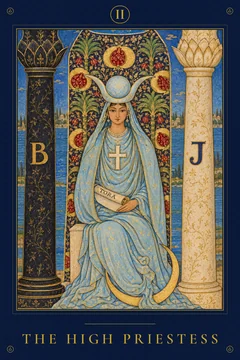
The Empress + The High Priestess

The Empress with the High Priestess: the garment and the veil. What was kept inside is coming into form; a conception, a disclosure, a book finally written.

साम्राज्ञी के साथ उच्च पुजारिन: वस्त्र और पर्दा। जो भीतर रखा था वह रूप ले रहा है: एक गर्भाधान, एक प्रकटीकरण, अंततः लिखी गई पुस्तक।

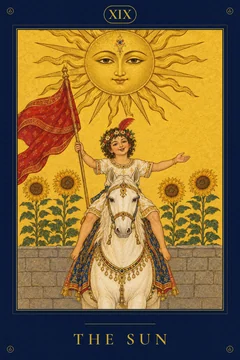
The Empress + The Sun

The Empress with the Sun: the harvest in full light. Children, joy, success that can be seen from the road; one of the most generous pairs in the deck.

साम्राज्ञी के साथ सूर्य: पूरे प्रकाश में फ़सल। संतान, आनंद, ऐसी सफलता जो सड़क से दिखे। यह डेक के सबसे उदार युग्मों में से एक है।

The Empress + The Devil

The Empress with the Devil: plenty turned to appetite. Comfort becoming dependence, pleasure becoming compulsion; keep the garden and lose the chain.

साम्राज्ञी के साथ शैतान: समृद्धि भूख में बदलती हुई, आराम निर्भरता बनता हुआ, सुख विवशता बनता हुआ। उद्यान रखिए और जंजीर छोड़िए।

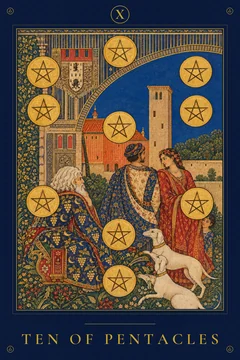
The Empress + Ten of Pentacles

The Empress with the Ten of Pentacles: the family estate. Wealth that passes through generations, a home that outlasts its builders, inheritance in every sense.

साम्राज्ञी के साथ मुद्राओं का दस: पारिवारिक संपदा। पीढ़ियों से गुज़रता धन, ऐसा घर जो अपने निर्माताओं से अधिक टिके, हर अर्थ में विरासत।

FAQ

Questions about The Empress

What does the Empress tarot card mean?

Abundance made visible: fertility, nurture, creation and the pleasure of the senses. The card shows a woman on a cushioned throne in ripe wheat, crowned with twelve stars, with a Venus shield at her feet. Waite's divinatory meanings are fruitfulness, action, initiative and length of days. In a reading it means something you have tended is ripening, and the task is to nourish it and then gather it.

दृश्य बनी हुई समृद्धि: उर्वरता, पोषण, सृजन और इंद्रियों का सुख। कार्ड में पके गेहूँ के बीच गद्देदार सिंहासन पर बैठी एक स्त्री है, बारह तारों का मुकुट पहने, पाँवों के पास शुक्र-ढाल। वेट के भविष्यकथन-अर्थ हैं फलवत्ता, कर्म, पहल और दिनों की लंबाई। पाठ में इसका अर्थ है कि जिसे आपने सँवारा वह पक रहा है, और काम है उसे पोषण देना और फिर इकट्ठा करना।

Is the Empress a yes or no?

Yes, and a generous one. Upright the Empress is among the warmest affirmatives in the deck. Reversed it is still a yes, but slower than you would like, and it asks you to tend the matter before expecting the harvest.

हाँ, और उदार हाँ। सीधी साम्राज्ञी डेक की सबसे उष्ण स्वीकृतियों में है। उलटी होने पर भी यह हाँ है, पर जितना आप चाहें उससे धीमी, और वह फ़सल की अपेक्षा से पहले विषय को सँवारने को कहती है।

What does the Empress reversed mean?

Waite's reversed list is mild: light, truth, the unravelling of involved matters, public rejoicings, or by another reading vacillation. In practice readers see creativity blocked, care that has turned into control, or self-neglect in someone who provides for everyone else. Rest without guilt, make something with your hands, and let yourself be given to.

वेट की उलटी सूची कोमल है: प्रकाश, सत्य, उलझे विषयों का सुलझना, सार्वजनिक उल्लास, या एक अन्य पाठ के अनुसार डाँवाडोल होना। व्यवहार में पाठक इसमें रुकी हुई सृजनशीलता, नियंत्रण बन गई देखभाल, या सबको देने वाले व्यक्ति की आत्म-उपेक्षा देखते हैं। बिना अपराध-बोध विश्राम कीजिए, अपने हाथों से कुछ रचिए, और दूसरों को अपने लिए कुछ करने दीजिए।

What does the Empress mean in love and as feelings?

As feelings, someone who is warm, physically drawn to you and inclined to care for you; the attraction is sensual and sincere. In a relationship it is a fruitful season: a home, a child, a table full of people. Reversed, care that has become possessive, or one partner giving everything and receiving nothing.

भावनाओं के प्रश्न में यह ऐसा व्यक्ति है जो उष्ण है, आपकी ओर शारीरिक रूप से आकर्षित है और आपकी देखभाल करना चाहता है। आकर्षण ऐंद्रिक और सच्चा है। संबंध में यह फलवती ऋतु है: घर, संतान, लोगों से भरी मेज़। उलटा होने पर देखभाल अधिकार-भाव बन गई है, या एक साथी सब कुछ देता है और कुछ नहीं पाता।

Does the Empress tarot card mean pregnancy?

It can, and it is the card most often read that way: the loose pomegranate robe, the ripe wheat and Waite's word fruitfulness all point to something being carried that will be born. Read it with care and make no promises on its strength. The birth may be a book, a business or a home as readily as a child.

हो सकता है, और इस कार्ड का यह अर्थ बहुत बार लिया जाता है: ढीला अनार-अंकित वस्त्र, पका गेहूँ और वेट का शब्द फलवत्ता, सब किसी ऐसी चीज़ की ओर संकेत करते हैं जो धारण की गई है और जन्म लेगी। इसे सावधानी से पढ़िए और इसके भरोसे कोई वचन मत दीजिए। जन्म संतान का भी हो सकता है और उतनी ही सहजता से किसी पुस्तक, व्यवसाय या घर का भी।

Draw this card
See where The Empress falls in your own spread

Free, bilingual, three readings a day.

Draw your cards
Related cards

Sources: A. E. Waite, The Pictorial Key to the Tarot (1910); Golden Dawn attributions (Daleth, Venus); The 1909 Smith-Waite plate, Pamela Colman Smith