




Reading for yourself forgives a loose structure. Reading for another person does not. A client arrives with a worry, a limited hour and a fee already paid, and what they take home depends as much on the frame around the cards as on your knowledge of them. This lesson gives you that frame: what happens before the first card is turned, what happens while the cards are on the table, and what happens after the client leaves. Practise it until it runs without effort, so that your attention can stay on the person and the spread.
Before: intake, consent and the question
Intake begins when the booking arrives. Collect only what the reading needs: a first name, a way to contact the client, the area of life they want to look at, and whether this is a first session. A date of birth is useful if you use the birth card or year card, and unnecessary otherwise.
Consent comes next, in plain words and before the session. Tell the client what tarot is in your practice (a reflective method that shows patterns and choices), what it is not (a medical, legal or financial opinion, or a fixed fate), how long the session runs, whether you keep notes or record, and how they can ask you to delete those notes. A short written statement sent with the booking confirmation, then summarised aloud at the start, does both jobs.
The question is the third step and the one most readers rush. Clients often bring questions that cannot be read well: "Will he come back?", "Will I get the job?", "What does my future hold?". Avoid refusing these, and avoid answering them as asked. Do this instead: spend two or three minutes reshaping the question with the client until it points at something they can act on. "Will he come back?" becomes "What do I need to understand about this relationship, and what is my next step?". "Will I get the job?" becomes "What strengthens my application, and what should I watch for?". Write the agreed question where both of you can see it. Every card will be read against that sentence.
During: the draw, the reading, checking understanding
Choose the spread after the question is agreed, never before. A choice between two options suits the decision spread; a work question suits the career spread; a broad check-in suits past, present, future. Tell the client the positions before you draw, so they hear the structure.
Lay the cards and pause. Read the whole spread silently first: count the majors, note the dominant suit, notice which cards repeat a theme. Then speak position by position, naming the card, its core meaning, and what it means in this position for this question.
Check understanding after every two or three cards with one short question: "Does that fit what is happening at work?" or "Which part of that lands for you?". You are not fishing for information to make the reading sound accurate. You are confirming that the client has followed you, and giving them a chance to correct a misunderstanding of their situation before you build the synthesis on it. If a client says "no, that is not it", accept it, restate the card's meaning more broadly, and move on.
Close with a synthesis of no more than three sentences and one concrete path: an action the client can take this week.
After: summary, written record, follow-up
Give a spoken summary: the question, the two or three cards that carried the reading, and the path. Then send a written record within a day. TarotPandit's practitioner tools include practice mode, which lets you run a reading for a named client, keep client notes and produce a branded PDF. The record should contain the agreed question, the spread and its positions, the cards with reversals marked, and your summary and path in plain language.
Offer a follow-up at a sensible interval, usually four to six weeks for a life question. Do not offer a fresh reading on the same question within days; that is how dependency begins, and Lesson 2 deals with it.
Timing a 30- and a 60-minute session
A 30-minute session: five minutes for welcome, consent and shaping the question; three minutes to choose the spread and draw; fifteen minutes of reading with checks; five minutes for synthesis and path; two minutes to close. A spread of three to five cards fits. A Celtic Cross does not, unless you read it thinly, which wastes it.
A 60-minute session: ten minutes for intake and the question; five for the draw; thirty for the reading; ten for synthesis, path and the client's own questions; five to close. The Celtic Cross or a seven-card spread fits, or a five-card spread followed by one clarifying card on a single position.
Keep a clock in view. Running over by ten minutes once is generosity. Running over every time teaches the client that your boundaries move.
Case study
A client in her thirties, here called Client A, booked 30 minutes and wrote "Should I leave my job?". In the first five minutes the reader learned that she had an offer from a smaller firm at similar pay. The question became: "What do I need to see about staying and about moving, and what is my next step?". The reader chose the five-card career spread.
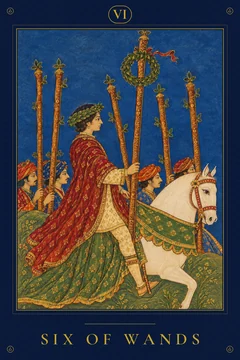
Where you stand: Four of Pentacles. Your strength: Eight of Pentacles. The obstacle: Five of Cups. The advice: Page of Swords. The outcome: Six of Wands.
The Four of Pentacles showed a holding pattern: safety kept at the cost of movement. The Eight of Pentacles named her real asset, skill built through steady work, which goes with her wherever she works. The Five of Cups as the obstacle pointed to disappointment colouring the decision. The reader checked, and the client confirmed a promotion she had been refused. The Page of Swords as advice asked for information before decision. The Six of Wands showed recognition available once she acted from skill rather than hurt.
The path: write five specific questions for the new firm about the role, the team and the terms, and ask them before deciding, within the week.
Exercise
Time: 40 minutes. Write an intake form of no more than six fields and a consent statement of no more than 120 words. Rewrite three badly formed questions ("Will she marry me?", "Is my business going to fail?", "When will I be happy?") into answerable, actionable ones. Then write a minute-by-minute plan for a 30-minute session with a three-card spread.
Quizzes, progress and the certificate come with the Practitioner licence
You are reading the free preview of the Professional course. The licence includes the Intermediate and Professional courses, the Practitioner Exam with a verifiable certificate, and the first year of Premium.
Refundable in full within 7 days if no lesson of the Intermediate or Professional course has been completed (refund policy).